Blog
Explore our latest posts or revisit your favorite topics.
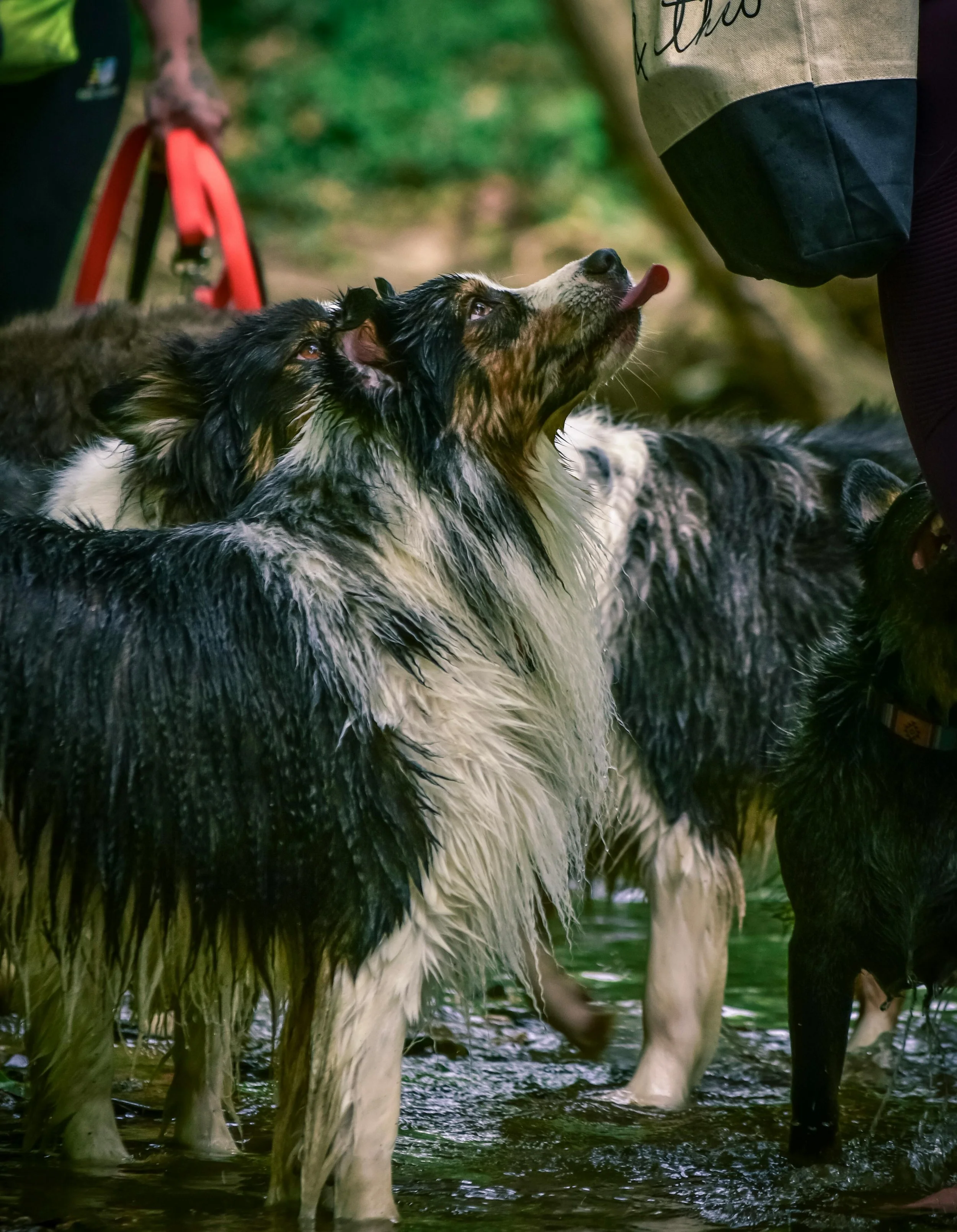
6 Common Dog Training Errors and How to Fix Them
Dog training doesn’t fail because owners don’t care—it fails because of common mistakes made during the training process. In this post, we break down 6 common dog training errors and how to fix them, from inconsistent house rules to cue nagging and lack of mental stimulation. Learn how clear communication, positive reinforcement, and household consistency can help create a calm, confident, well-behaved dog.

How to Create a Calm Home Environment for Your Dog
Creating a calm home environment for your dog can reduce anxiety, improve behavior, and support emotional well-being. Learn practical, low-stress ways to help your dog feel safe, secure, and relaxed at home.
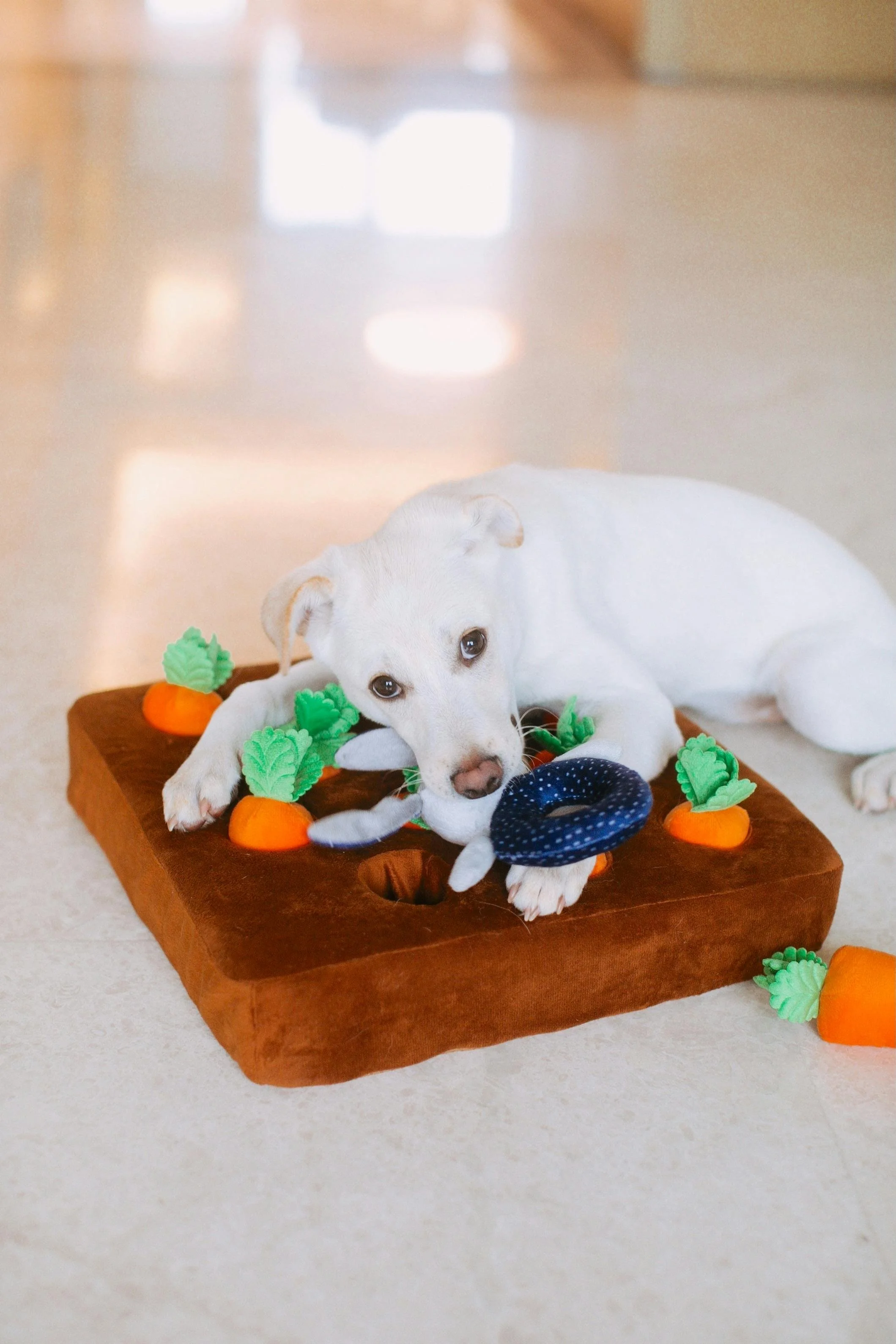
Mental Stimulation Vs Exercise: What Dogs Really Need
Many dog owners believe exercise alone is the key to a calm, well-behaved dog—but physical activity is only part of the equation. This blog breaks down the difference between mental stimulation and exercise, explains how engaging your dog’s mind reduces unwanted behaviors like excessive barking and destructive habits, and shows how mental enrichment can meet your dog’s needs even on busy or low-energy days. Learn practical, resourceful ways to support your dog’s brain, behavior, and overall health—without relying on expensive tools.

Why Dogs Listen Someitmes But Ignore You Other Times
Why does your dog listen one moment and completely ignore you the next?
This behavior reality check breaks down why listening isn’t about stubbornness or dominance — and what’s actually happening from your dog’s perspective. Learn how timing, environment, emotion, and daily routines impact reliability, and how clear communication (not repeated commands) builds better behavior. If you’ve ever felt frustrated and unsure what you’re doing wrong, this post will help you reset, reconnect, and move forward with confidence.
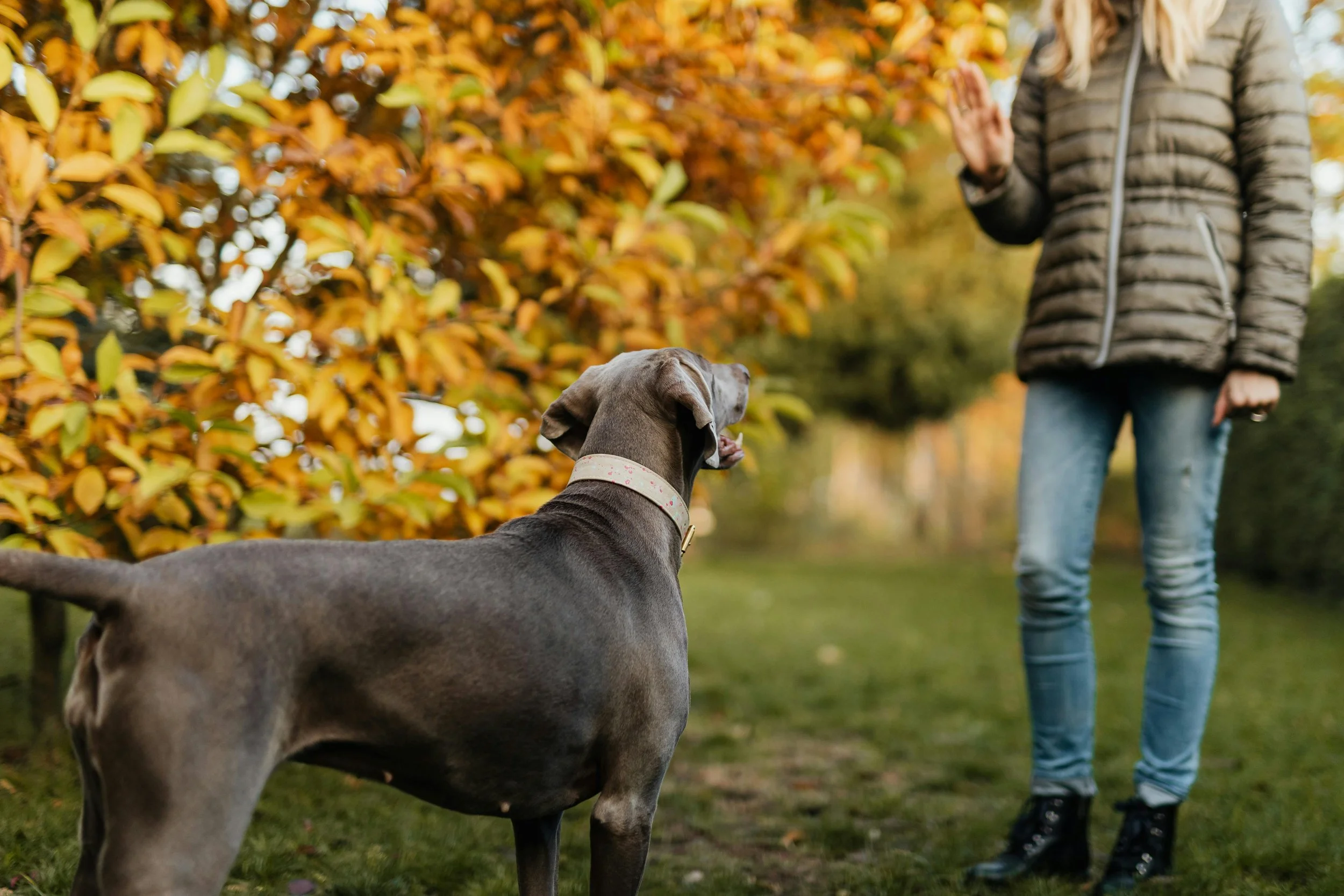
Daily Routines: How Structure Helps Dogs Thrive
Daily dog routines create structure, predictability, and emotional security. In this post, we break down why dogs need consistent schedules, how routines build trust and calm behavior, and simple ways to integrate training into everyday life so your dog can thrive at home and in public.
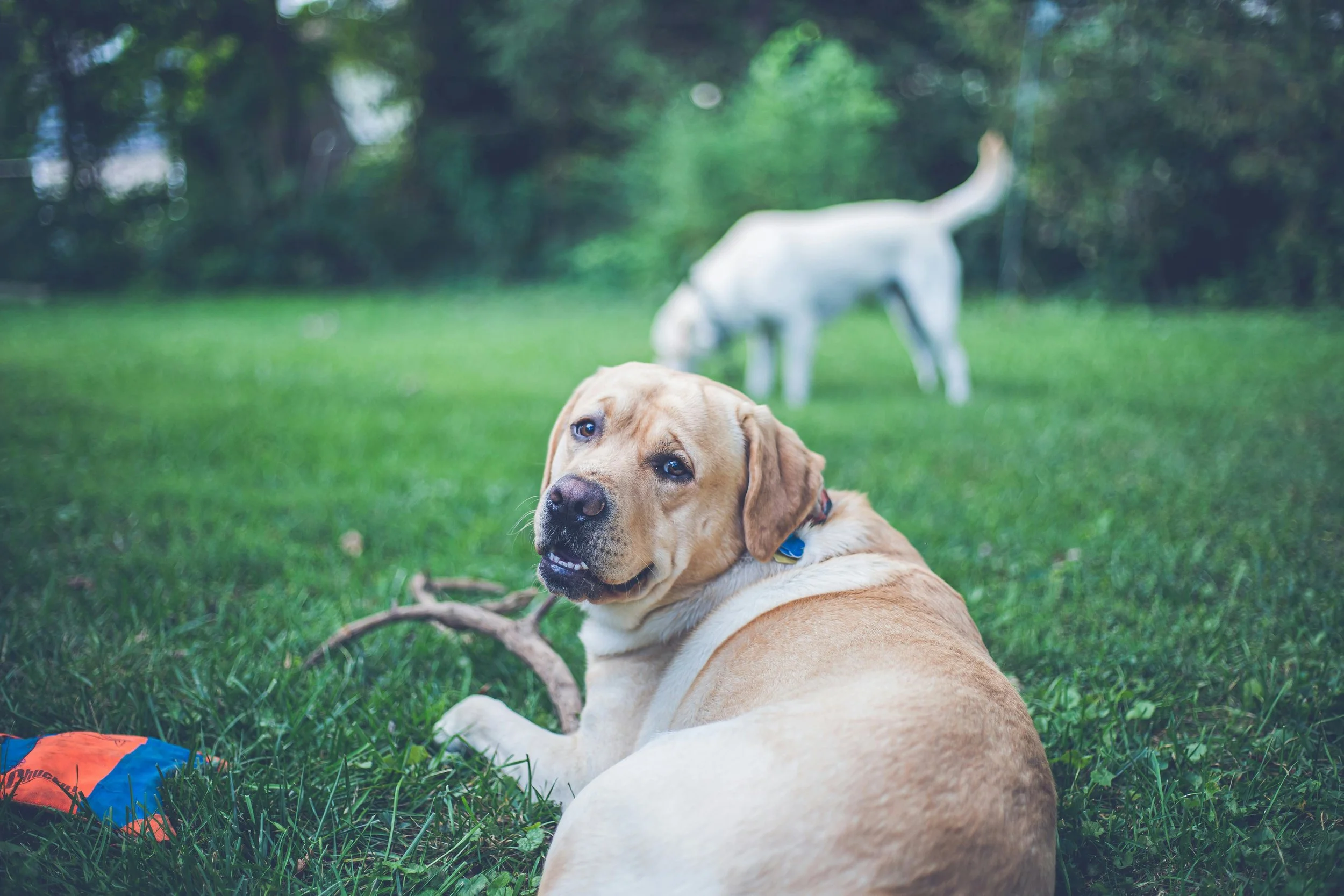
Why Training Alone Doesn’t Fix Dog Behavior (And What Actually Helps)
Training sessions alone don’t always lead to better behavior at home. This post explores why dog behavior is shaped by daily routines, environment, and consistency — and what actually helps create lasting change.