6 Common Dog Training Errors and How to Fix Them
Dog training is one of those things almost every dog owner wants to do right—but very few feel confident they actually are. Whether you’re working with a new puppy, an adult dog, or an older dog who has picked up a few bad habits along the way, mistakes during the training process are incredibly common.
That doesn’t make you a poor dog owner.
It makes you human.
Most common dog training mistakes don’t come from neglect or lack of effort. They come from misunderstandings about how dogs learn, how long the learning process really takes, and how our own actions shape our canine companion’s behavior—often without us realizing it.
This post takes a closer look at the top of the list of human-made mistakes seen in doggy training regimes. These are errors professional dog trainers see every day, and fixing them can completely change your dog’s confidence, focus, and ability to show desirable behaviors.
If you want a well-trained dog, a well-behaved pup, and a happier daily routine with man’s best friend, start here.
Why Dog Training Mistakes Happen So Easily
Dogs are incredible learners—but they don’t learn the way people do.
Pet owners often expect:
Fast results after a single time practicing
A different result without changing their approach
Dogs to “just know” what’s expected in new environments
In reality, dogs:
Learn through repetition and positive association
Respond strongly to energy level and body language
Need clarity, consistency, and timing
Every furry friend is different. Dogs have extremely unique personalities, short attention spans, and varying confidence levels. What works for one canine pal may not work for another—especially across different environments, new people, and new behaviors.
With that foundation in mind, let’s break down the six most common training errors.
Error #1: Inconsistent Rules and Expectations
This is at the top of the list for a reason.
Many dog owners unintentionally create confusion by changing house rules depending on:
Mood
Time of day
Which family members are home
A dog allowed on the couch one day but scolded the next isn’t being stubborn—they’re trying to understand shifting boundaries.
Why this causes problems
Inconsistency slows the learning process
It encourages unwanted behavior through trial and error
Dogs learn patterns, not exceptions
This is one of the most common pitfalls seen in both puppy training and adult dog behavior modification.
How to Fix It: Create a Unified Household Rule System
One of the largest patterns I see in training classes has nothing to do with the dog—and everything to do with the household.
Very often, one family member (usually mom) brings children or a spouse to training sessions because she cannot get the rest of the household to enforce the same rules at home. The dog may be expected to stay out of the kitchen, off the couch, or out of the bedroom—but those rules only exist when one person is present.
From the dog’s perspective, this isn’t flexibility.
It’s disorder.
Dogs are incredibly observant. They notice who enforces rules, who bends them, and who dismisses them entirely. When a dog sees disagreement among family members, they don’t choose sides out of defiance—they simply follow the path of least resistance.
If one family member enforces structure while others ignore it, the dog learns something very quickly: the rules are optional.
And when the household operates without unity, the dog will operate the same way.
This is why proper training doesn’t start with commands—it starts with agreement.
House rules must be decided together
Before expecting a dog to follow rules, the household needs to:
Decide together what behaviors are allowed
Agree on boundaries like furniture access, feeding routines, and restricted areas
Commit to enforcing rules consistently across all family members
Dogs thrive in environments where expectations are clear and predictable. When rules change based on who is home, the dog isn’t being stubborn—they’re responding to mixed signals.

Dismissal within the household creates dismissal in the dog
If one family member undermines another’s rules—laughing them off, ignoring them, or contradicting them—the dog will mirror that behavior.
Dogs don’t respect hierarchy the way humans imagine dominance. They respect clarity and consistency. When they see one person being dismissed, they learn that listening is conditional.
That’s not a training failure—it’s a communication breakdown.
Leadership is collective, not individual
While one person may be the primary trainer, leadership in the home must be unified. A dog cannot succeed in an environment where expectations are constantly debated or undermined.
This is why I often tell clients:
If the house is disorganized, the dog will be disorganized.
In some cases, this goes beyond dog training. If a family struggles to communicate, enforce boundaries, or work as a team, it may be helpful to seek family support resources, counseling, or wellness-focused education. A unified household benefits not just the dog—but everyone living in it.
Dogs don’t need perfection.
They need alignment.
When a household presents clear, consistent expectations, dogs stop guessing—and start relaxing. Confidence replaces confusion, and good behavior becomes a natural outcome of a stable environment.
For more on how families can build healthy, lasting routines together—so everyone is on the same page—check out this helpful guide on building healthy family routines.
Error #2: Repeating Commands and Cue Nagging
“SIT… sit… sit… SIT!”
This pattern—often done out of frustration or urgency—is known as cue nagging. Over time, it leads to cue poisoning, where the word itself loses meaning for the dog.
Dogs don’t tune us out to be stubborn. They adapt to what works. When a cue is repeated, dogs learn they don’t need to respond the first time—because the cue will come again.
Why this is a problem
Dogs learn to ignore the first cue
Commands lose clarity and value
The dog’s attention drifts instead of focusing
Instead of teaching a dog to respond promptly, repeated cues teach them that listening is optional.
This is one of the most common training mistakes I see in both puppy training and adult dog sessions.
The Hidden Issue: Cues Lose Their Value
Every cue has value—until we overuse it.
The more a cue is repeated without follow-through, the less meaningful it becomes. This applies not only to commands like “sit” or “lay down,” but also to your dog’s name.
Many pet owners use their dog’s name constantly, in multiple tones:
Happy
Frustrated
Warning
Background noise
But what is the dog being asked to do?
A dog’s name is not a command.
It is the start of a sentence, not the entire sentence.
If a dog hears their name without a clear next step, the name itself loses its value as an attention cue.
How to fix it
Say the cue once
Pause and allow processing time
Reset calmly if needed—without repeating the word
To protect the value of cues:
Use your dog’s name only to gain attention
Follow the name immediately with a clear command
Reinforce successful responses
For example:
“Fido, sit.”
Not: “Fido… Fido… Fido… SIT!”
When cues retain their value, dogs respond faster, more confidently, and with less confusion.
Whether you’re teaching basic obedience or introducing new commands, clarity beats volume every time.

Error #3: Training Only During Bad Behavior
Many training sessions happen during a bad time—when the dog is already overwhelmed, excited, or anxious.
This includes:
Training during leash reactivity
Correcting during unwanted behavior
Waiting until bad behaviors appear
Why this doesn’t work
Dogs don’t learn well when emotionally elevated. An anxious dog, overstimulated pup, or frustrated canine companion is not in the best time mentally for learning.
How to fix it
Train during calm moments
Reinforce good behavior before problems start
Practice basic obedience daily
Good training isn’t reactive—it’s preventative.
Error #4: Sessions That Are Too Long or Poorly Timed
Longer session does not mean better results.
Many dog owners assume more time equals more progress. In reality, dogs—especially puppies—have short attention spans.
Why this backfires
Mental fatigue leads to frustration
Learning quality drops
Dogs disengage
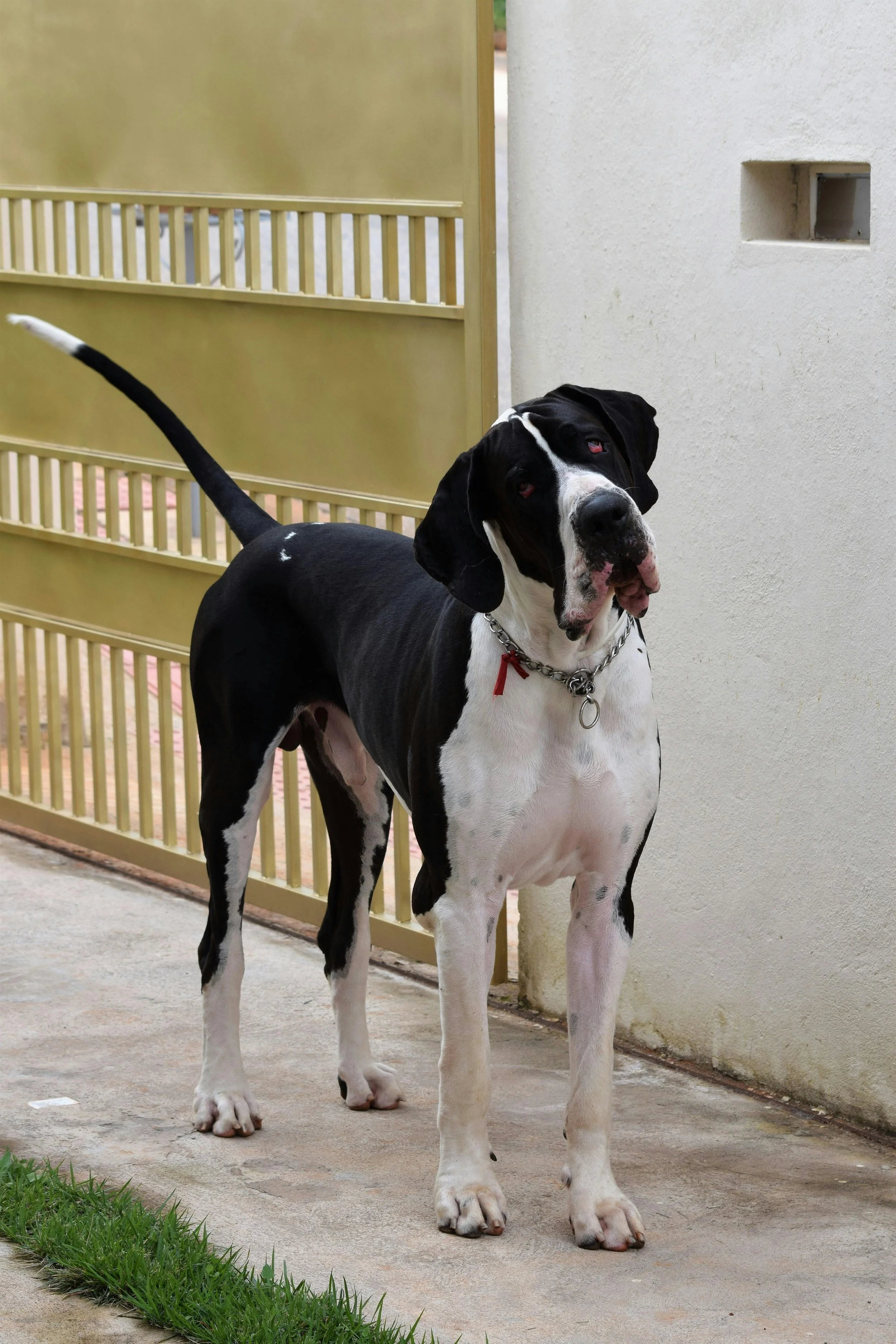
This is especially true for large dog breeds like Great Danes, who may physically tolerate longer sessions but mentally check out.
How to fix it
Use short sessions (5–10 minutes)
Train multiple times a day
End on success
Short sessions combined with months of consistent practice create lasting results.

Error #5: Ignoring Mental Stimulation
Physical exercise alone doesn’t build a well-trained dog.
Many common problems—chewing, barking, restlessness—stem from unmet mental needs.
Whatever it is, the way you tell your story online can make all the difference.
Why mental stimulation matters
Dogs were bred to think, solve, and work. Without mental stimulation:
Dogs invent bad habits
Energy turns into negative behavior
Training progress stalls
How to fix it
Use puzzle toys
Incorporate scent games
Practice training during meals
Mental stimulation creates focus, confidence, and positive behaviors.
Error #6: Using Punishment or Dominance-Based Methods
This is one of the most damaging training errors—and one strongly discouraged by modern science.
Organizations like the American Veterinary Society of Animal Behavior support positive-reinforcement dog training due to the negative effects of dominance-based methods.
Why dominance fails
Creates negative associations
Increases fear and anxiety
Suppresses behavior without teaching alternatives
Punishment may stop behavior temporarily, but it doesn’t teach desired behavior—or address the root cause.
How to fix it
Focus on positive reinforcement
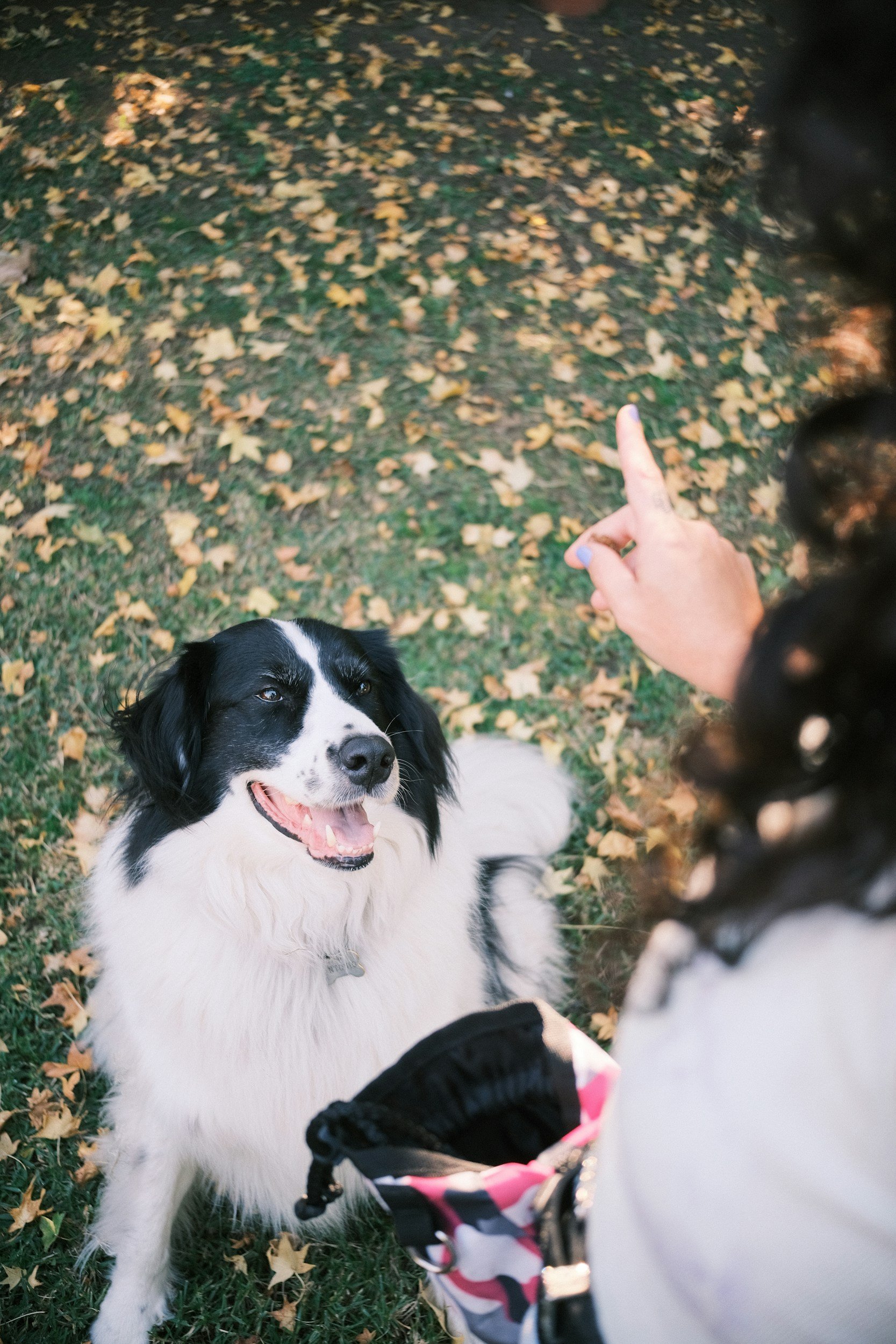
Reward good behavior with verbal praise or food
Build trust and confidence
Positive attitude plus clear guidance leads to a confident, well-behaved pup.
What Positive Reinforcement Really Means
Positive reinforcement is not permissive parenting.
It means:
Rewarding desirable behaviors
Redirecting unwanted behavior
Teaching alternatives instead of suppressing communication
A chicken leg on the counter isn’t a “bad dog” moment—it’s a training opportunity.
Positive association builds learning faster than correction ever will.
Understanding Dogs as Individuals
Different dogs learn differently.
Factors that influence training success include:
Age (new puppy vs older dogs)
Breed and size
Energy level
Past experiences
A poor dog with signs of fear needs a different approach than a confident canine pal exploring new environments.
Professional help can be invaluable here—whether through a professional trainer or a free online dog training class.
How Long Training Actually Takes
Fido’s education doesn’t happen overnight.
Most solid training results require:
Daily routine consistency
Clear communication
Months of consistent practice
One single time practicing will not override habits built over weeks or years.
Hard work plus patience equals a good dog.
Quick List: 6 Common Dog Training Mistakes
Inconsistent house rules
Cue nagging and repetition
Training only during bad behavior
Sessions that are too long
Lack of mental stimulation
Punishment-based methods
Fixing these common training mistakes improves:
Dog’s confidence
Focus and engagement
Relationship between dog and owner
Final Thoughts: Training Is a Relationship, Not a Checklist
Training isn’t about control—it’s about communication.
A well-trained dog is built through:
Clear expectations
Positive reinforcement
Understanding body language
Respect for individuality
When dog owners shift their mindset from “stopping the wrong thing” to teaching the right thing, everything changes.
Your canine companion wants to succeed.
They just need guidance, clarity, and time.
Check Out These Dog Training Blog Posts Next
If this post helped you recognize some common training mistakes, these related blogs will help you take the next step toward creating a calmer, more connected relationship with your dog:
Start Here - Why Training Alone Doesn’t Fix Dog Behavior (And What Actually Helps)
Training commands are only one piece of the puzzle. This post explains why behavior issues often stem from unmet needs, unclear communication, and lack of structure—and what truly creates lasting change.
Daily Dog Routines: How Structure Helps Dogs Thrive
Dogs feel safest when life is predictable. Learn how simple daily routines reduce anxiety, improve focus, and naturally support good behavior—without adding more stress to your day.
Mental Stimulation vs. Exercise: What Your Dog Really Needs
If your dog is still restless after walks, this post breaks down why mental stimulation is just as important as physical exercise—and how to balance both for a calmer, happier dog.
How to Create a Calm Home Environment for Your Dog
Your dog experiences your home very differently than you do. This post explores how dogs perceive their environment and how small changes in your home can dramatically improve behavior and emotional regulation.