How to Create a Calm Home Environment for Your Dog
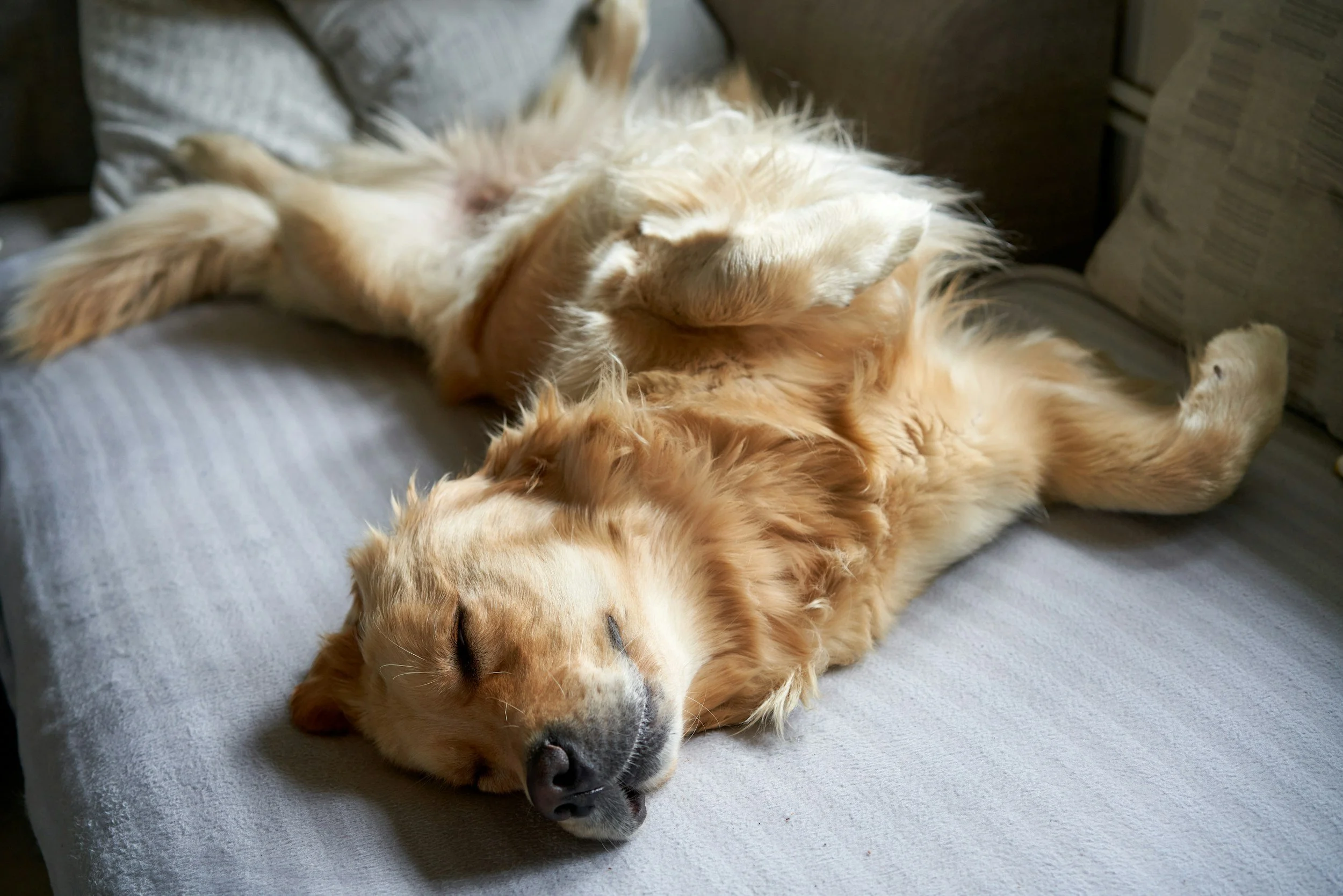
Creating a calm home environment for your dog plays a significant role in their behavior, emotional needs, and overall well-being. For many pet parents, everyday stressors like loud noises, inconsistent routines, or unfamiliar environments can lead to anxiety, excessive barking, or destructive behavior. The good news? Small, intentional changes to your dog’s environment can create a peaceful, stress-free space where your dog can relax and thrive.
Dogs are creatures of habit. A consistent routine, a safe space, and the right balance of physical exercise and mental stimulation help regulate your dog’s nervous system and reduce stress levels. Whether you’re supporting an anxious dog, navigating a new environment, or simply want a calmer household, creating a relaxing environment helps your dog feel secure, confident, and connected.
In this guide, you’ll learn practical, positive ways to:
Create a calm and safe home environment
Reduce anxiety triggers and signs of stress
Support calm behavior through routine and enrichment
Strengthen your bond using low-stress, positive reinforcement techniques
These strategies work for puppies, adult dogs, and anxious pets alike — and can make a meaningful difference in both your dog’s mental health and your day-to-day life as a dog owner.
Understanding How Your Dog Experiences Their Environment
To truly create a calm home environment for your dog, it helps to step out of our human perspective and into theirs.
As humans, we experience the world primarily through our eyes. We walk into a room, quickly scan what we see, and then move on. Smell exists for us, but it usually plays a secondary role. For dogs, it’s the opposite. A dog’s strongest and most dominant sense is their nose. Smell comes first. Vision comes second. Sound often follows after that.
To better understand this, imagine this scenario:
Picture walking into any building where every person and animal leaves behind a trail of color. These trails don’t disappear right away — they linger for up to three days. Every footstep, every surface touched, every doorway passed through leaves behind layers of color. Now imagine that these colors overlap constantly. People come and go. Other animals pass through. New colors layer on top of old ones, creating a dense, ever-changing map.
This is similar to how your dog experiences the world through scent.
To your dog, the floor doesn’t just look like a floor — it smells like yesterday’s visitor, the delivery driver from this morning, the dog who walked past your house hours ago, and the family member who rushed through the room in a stressed state. Furniture, doorways, dog beds, and even you are covered in scent information. Your dog is processing all of it at once.
When we ask, “Why can’t my dog just focus?” the answer often lies here.
Dogs don’t live only in the present moment the way we do. Their nose is constantly pulling information from the past — who was here, what happened, whether it felt safe, exciting, stressful, or unfamiliar. This flood of sensory input can easily overwhelm an anxious dog or heighten stress levels, especially in busy households or unfamiliar environments.
Understanding this helps us respond with more patience and intention. A calm environment, predictable routines, and designated safe spaces give your dog fewer “layers” to sort through. When their surroundings are consistent and emotionally neutral, their nervous system can relax, allowing for calmer behavior, better focus during training sessions, and a greater sense of security.
Creating calm isn’t about controlling your dog — it’s about simplifying their sensory world so they can feel safe enough to settle.
Create a Dedicated Safe Space
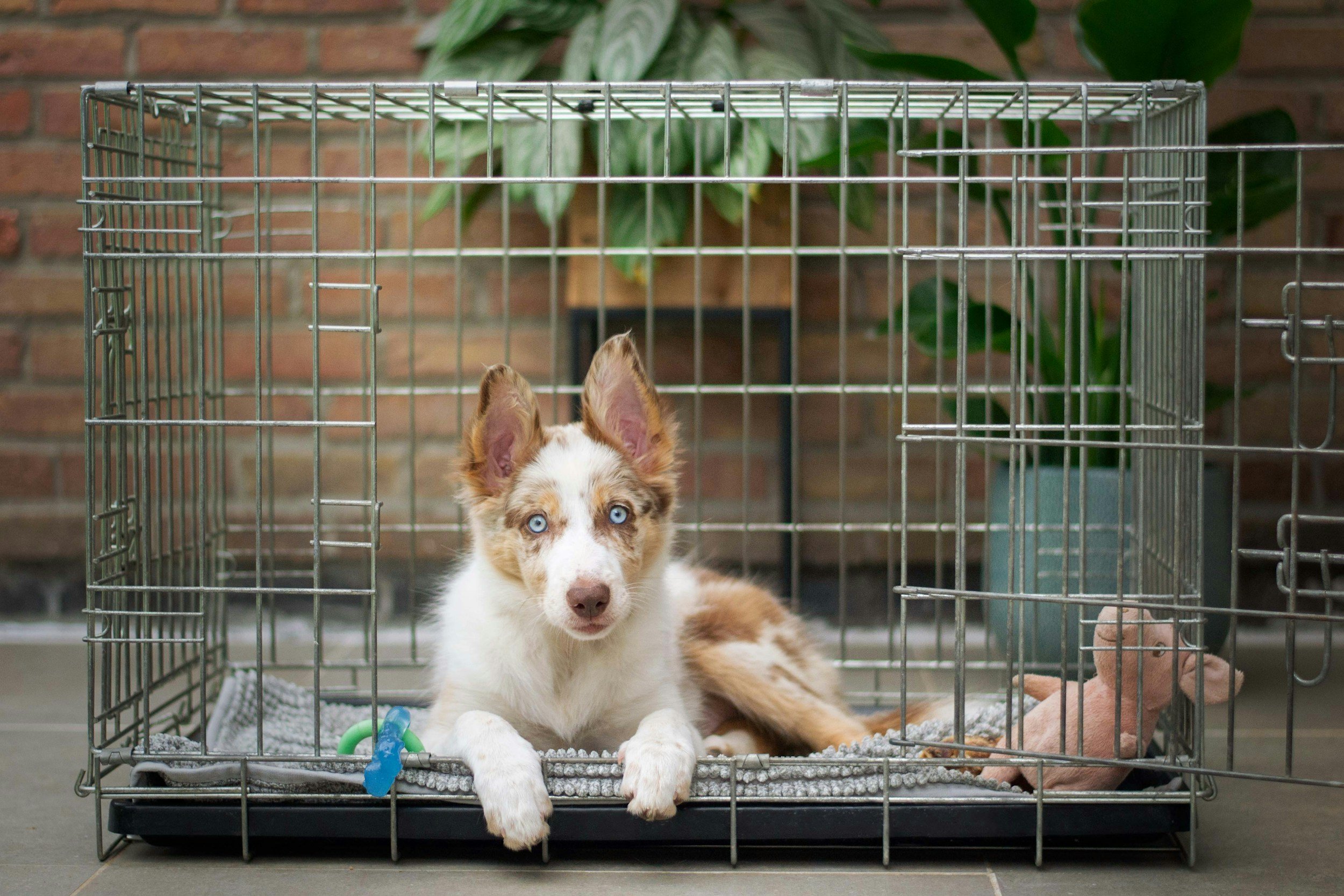
One of the most powerful tools for calming anxious pets is providing a dog’s safe space. This could be a quiet room, a dedicated area, or a properly introduced dog’s crate. Crate training, when done with positive reinforcement and low-stress handling techniques, creates a safe zone where your dog can retreat at their own pace.
A comfortable dog bed, familiar scents, and a calm, quiet room help your dog feel grounded. This own safe haven is especially helpful during stressful situations like thunderstorms, loud gatherings, or when your dog is adjusting to a new environment or new place.
Reduce Overstimulation and Loud Noise
Loud noises are one of the most common anxiety triggers for dogs. White noise machines, soft music, or even gentle background noise can help buffer sudden sounds like traffic, neighbors, or construction. Many dog owners also use pheromone diffusers as a calming environment aid, as they mimic natural calming signals and support a relaxing environment without medication.
Avoid placing your dog’s bed or crate near TVs, speakers, or high-traffic areas when possible. Creating a peaceful environment doesn’t mean silence — it means predictability and comfort.
Build a Consistent Daily Routine
Dogs thrive on a consistent routine. A predictable daily schedule helps dogs feel secure and understand what comes next. Feeding times, regular walks, training sessions, physical exercise, and rest should follow a rhythm whenever possible.
A consistent routine reduces pet anxiety by giving structure to the day. When dogs know when they’ll get physical activity, mental stimulation, quality time, and rest, they are less likely to develop anxious behaviors or stress-related habits.
Balance Physical and Mental Enrichment
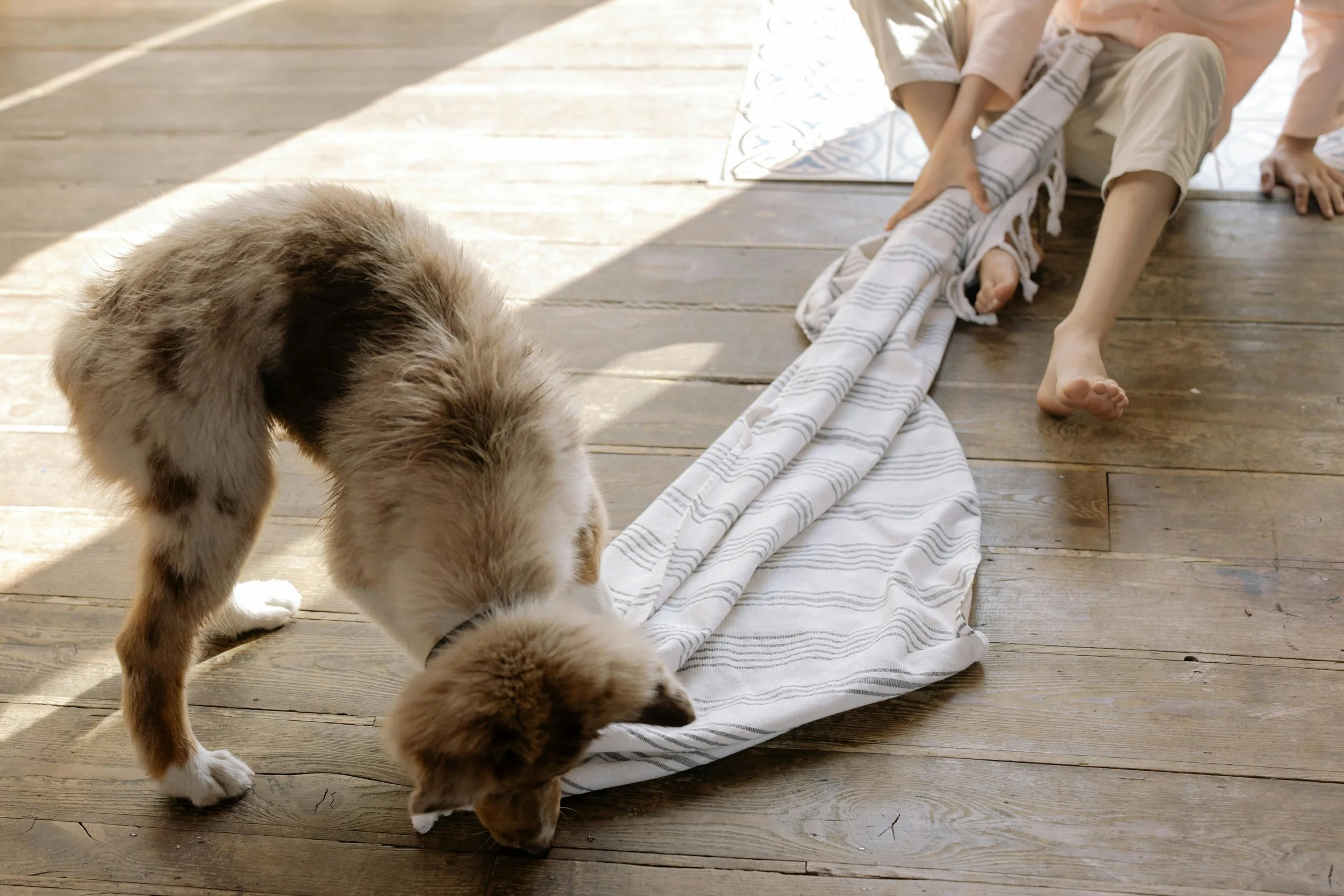
Physical activity and mental enrichment go hand in hand. Regular exercise like regular walks, playtime, and interactive games supports physical health while also helping regulate a dog’s nervous system. Mental stimulation through puzzle toys, new tricks, enrichment activities, and interactive games challenges the mind and prevents boredom.
Mental enrichment is a great way to prevent destructive behavior, excessive barking, and reactive dogs who struggle to settle. Even short training sessions built around positive experiences and positive association can make a big difference in a dog’s behavior.
Use Positive Reinforcement and Training Thoughtfully
Proper training should always focus on teaching in a positive way. Positive reinforcement strengthens good behavior by rewarding calm responses, engagement, and focus. Training is not just about obedience — it’s about communication, emotional regulation, and building confidence.
Short, low-pressure training sessions help anxious dogs process new experiences without overwhelm. Teaching calm behaviors, reinforcing calm body language, and rewarding relaxation all contribute to a calm dog over time.
Support Emotional Needs and Anxiety Triggers
Every dog is different. Some dogs struggle with separation anxiety, others with new people, unfamiliar environments, or changes in routine. Understanding your dog’s anxiety triggers allows you to support their emotional needs proactively rather than reacting to problem behaviors later.
Watch for common signs and signs of anxiety such as panting, yawning, lip licking, avoidance, or destructive chewing. Addressing pet’s anxiety early helps prevent escalation and supports long-term mental health.
Incorporate Calm Transitions and Low-Stress Handling
Low-stress handling techniques are essential when guiding dogs through new experiences. Allow your dog to explore at their own pace, especially in a new environment or when encountering new people. Calm, predictable responses from pet parents help dogs learn that the world is safe.
Creating positive experiences during grooming, feeding, crate training, and daily care helps reinforce a sense of security and trust.
Don’t Overlook Health and Professional Support
Sometimes anxiety isn’t just environmental. Health issues can contribute to changes in a dog’s behavior, stress levels, and ability to relax. If anxiety persists despite environmental changes, professional help may be needed.
A veterinary behaviorist or qualified dog training professional can assess your dog’s anxiety, emotional needs, and overall dog’s well-being. The right support can make a significant difference for anxious pets and their families.
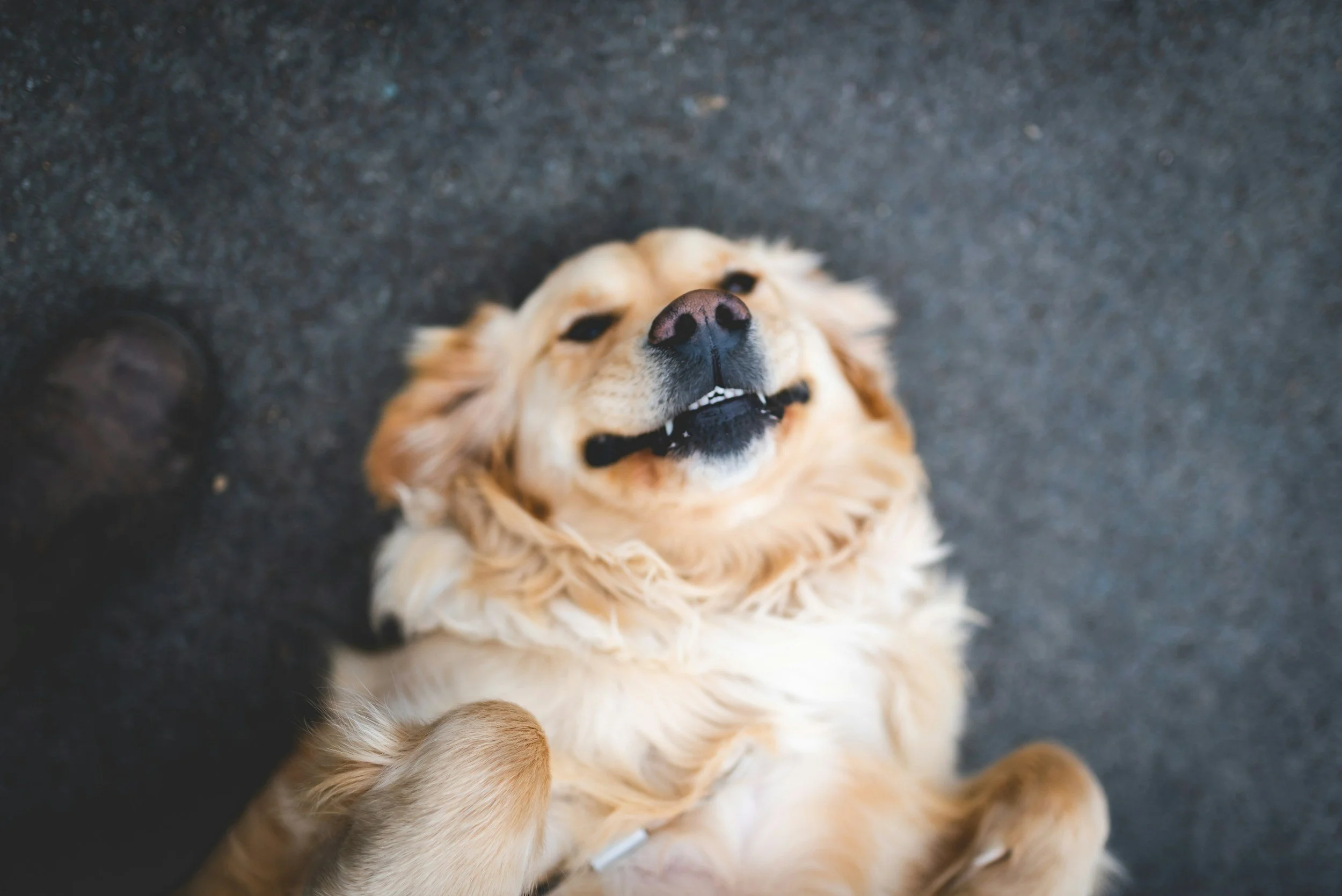
Final Top Tip for a Calm Home
The top tip for creating a stress-free environment is consistency paired with compassion. Dogs learn through repetition, positive association, and trust. A calm environment, regular exercise, mental enrichment, and quality time together all work together to create positive outcomes.
Creating a calm home environment isn’t about eliminating every stressor — it’s about helping your dog feel safe, supported, and understood. When your dog feels secure in their pet’s environment, you’ll see a happier dog, improved dog calm, reduced dogs’ anxiety, and a stronger bond that benefits both of you.
Check Out These Related Dog Training Posts
If creating a calm home environment is your goal, these guides will help you go even deeper into understanding your dog’s behavior, emotional needs, and daily structure. Each post builds on the idea that calm dogs aren’t born — they’re supported.
Start Here - Why Training Alone Doesn’t Fix Dog Behavior (And What Actually Helps)
Learn why obedience training by itself often isn’t enough to address anxiety, reactivity, or destructive behavior. This post explains the deeper layers of behavior, emotional regulation, and environmental support that truly lead to lasting change.
Daily Dog Routines: How Structure Helps Dogs Thrive
Discover how predictable routines reduce stress levels, improve focus, and help dogs feel secure. This guide walks through real-life daily examples that create calm, confident behavior in dogs of all ages.
Mental Stimulation vs. Exercise: What Dogs Really Need
Explore the balance between physical exercise and mental enrichment, and why too much physical activity without mental stimulation can actually increase stress. This post helps you create a healthier, more balanced approach to your dog’s daily needs.
Why Dogs Listen Sometimes (And Not Always)
Ever wonder why your dog seems to understand you one moment and ignore you the next? This post breaks down communication, body language, and emotional states to help you build clearer, calmer interactions with your dog.