Why Training Alone Doesn’t Fix Dog Behavior (And What Actually Helps)

Dog training alone doesn’t fix behavior — real change comes from leadership, structure, mental fulfillment, and understanding how dogs communicate.
Many dog owners are told that if they just sign up for more dog training, schedule more obedience training, or book additional training sessions, their dog’s behavior will magically improve. When it doesn’t, frustration sets in. Owners begin to feel like they’re failing, their dog is stubborn, or worse — “bad.”
The truth is, training alone does not fix dog behavior. And that’s not because training is useless — it’s because training is only one piece of a much bigger picture.
As a dog trainer, I see this pattern constantly. Well-meaning people invest a lot of time, money, and hope into pet training, only to feel discouraged when unwanted behavior, aggressive behavior, or ongoing behavioral issues keep showing up next time they leave the house, greet new people, or enter new environments.
Let’s break down why training by itself often falls short — and what actually helps dogs of all ages build good behavior, emotional stability, and a better quality of life.
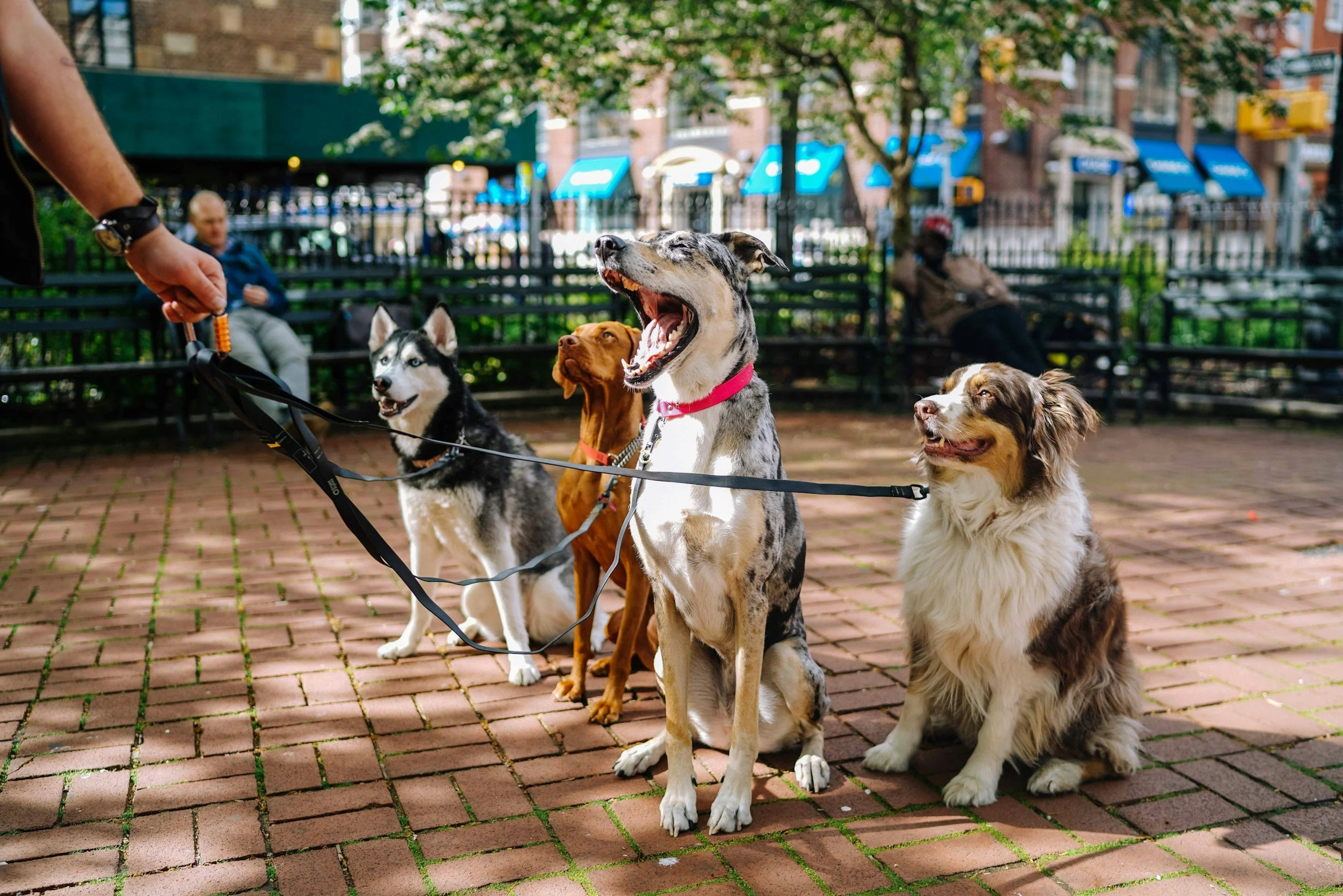
Training Teaches Skills — Behavior Comes From Everything Else
Training methods like sit, stay, heel, and place are useful. Obedience training gives dogs structure and helps dog parents communicate more clearly. But obedience alone does not address the why behind a behavior problem.
A well-trained dog can still:
Panic during loud noises
Display dog aggression around new dogs
Develop separation anxiety
Show reactive dog behaviors on leash
Struggle with house training or potty training
React aggressively in various situations
That’s because dog behavior is influenced by far more than commands.
Behavior is shaped by:
Physical health
Emotional needs
Mental stimulation
Environment
Daily activities
Past experiences
Genetics and dog breeds
Energy level
How safe a dog feels in their world
Training is a good start — but without addressing these other areas, results are limited.
Why “More Training Sessions” Isn’t the Best Solution
When dog owners struggle, the most common response is to schedule more training sessions or watch endless YouTube videos hoping to find the best solution.
The problem? Training sessions happen in short bursts. A couple of times per week cannot undo:
Chronic stress
Lack of enough exercise
Inconsistent structure at home
Confusing body language from family members
Reinforcement of bad habits between sessions
Dogs live their entire lives outside of training class.
If daily routines, energy outlets, and emotional safety don’t support learning, training won’t stick — no matter how much emphasis is placed on commands.
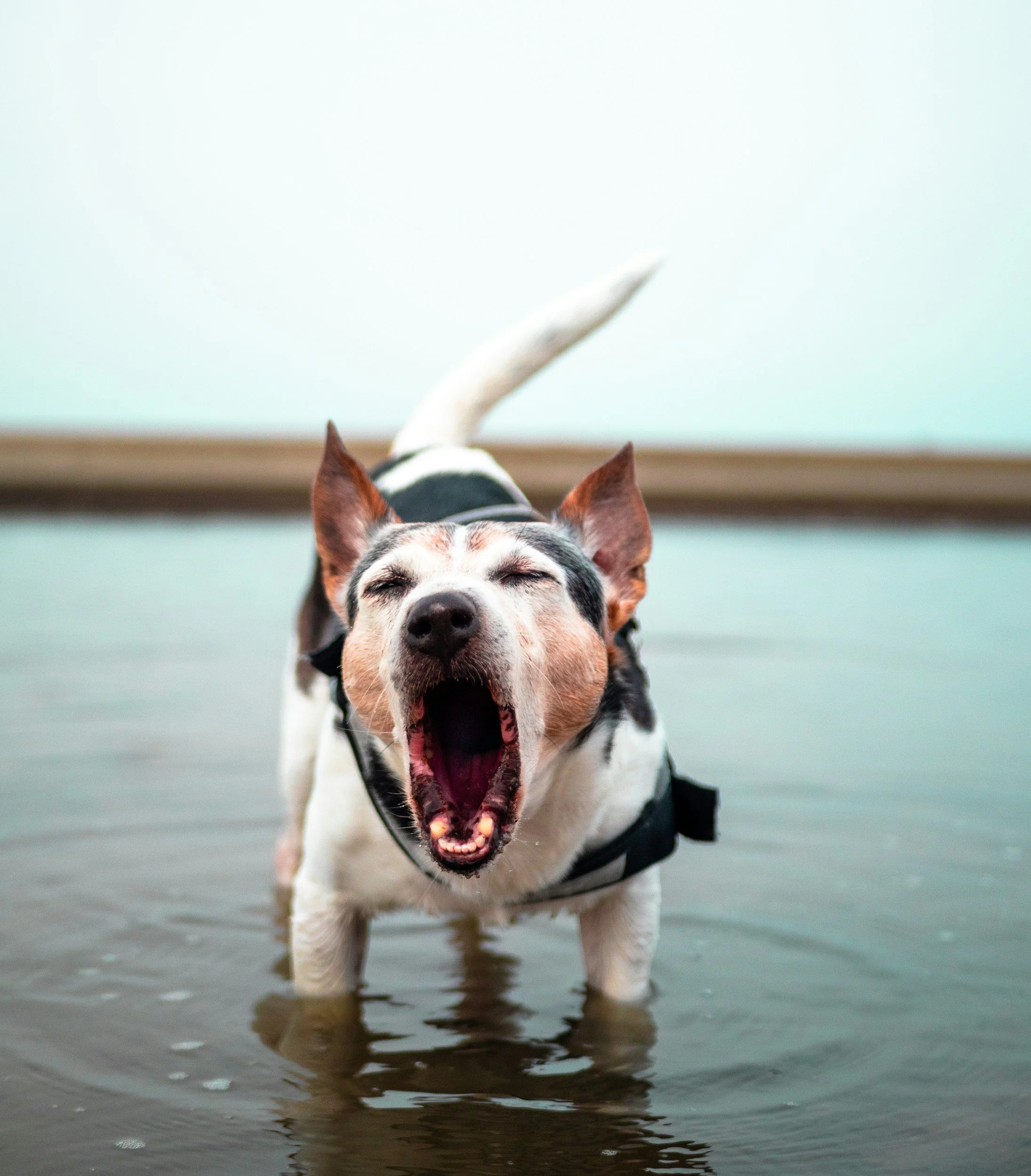
Behavior Problems Are Often Stress Problems
Most behavioral problems are rooted in stress, not defiance or dominance.
A dog showing undesirable behavior is often:
Overstimulated
Under-exercised
Mentally bored
Anxious
Physically uncomfortable
Confused by inconsistent rules
Stress raises a dog’s heart rate, clouds their learning process, and limits impulse control. A tired dog — mentally and physically — is far more capable of good behavior than one overflowing with unused energy.
This is especially true for:
Border collies
German shepherds
Larger dogs
Working dog breeds
High-drive dogs
Without proper outlets, these dogs invent their own activities — chewing furniture, barking excessively, pacing, or displaying aggression issues.
Why Physical Exercise Alone Isn’t Enough
A long walk helps burn energy, but it doesn’t always satisfy a dog’s cognitive needs.
Physical exercise:
Reduces excess energy
Supports physical health
Helps regulate sleep
Mental stimulation:
Lowers stress
Improves impulse control
Builds confidence
Reduces frustration
Increases emotional resilience
Dogs that receive only physical exercise often remain restless. They pace, bark, chew, or fixate — not because they need more movement, but because their brain hasn’t been engaged.
This is especially true for intelligent and working dog breeds like border collies, german shepherds, and many larger dogs who were bred to problem-solve alongside humans.
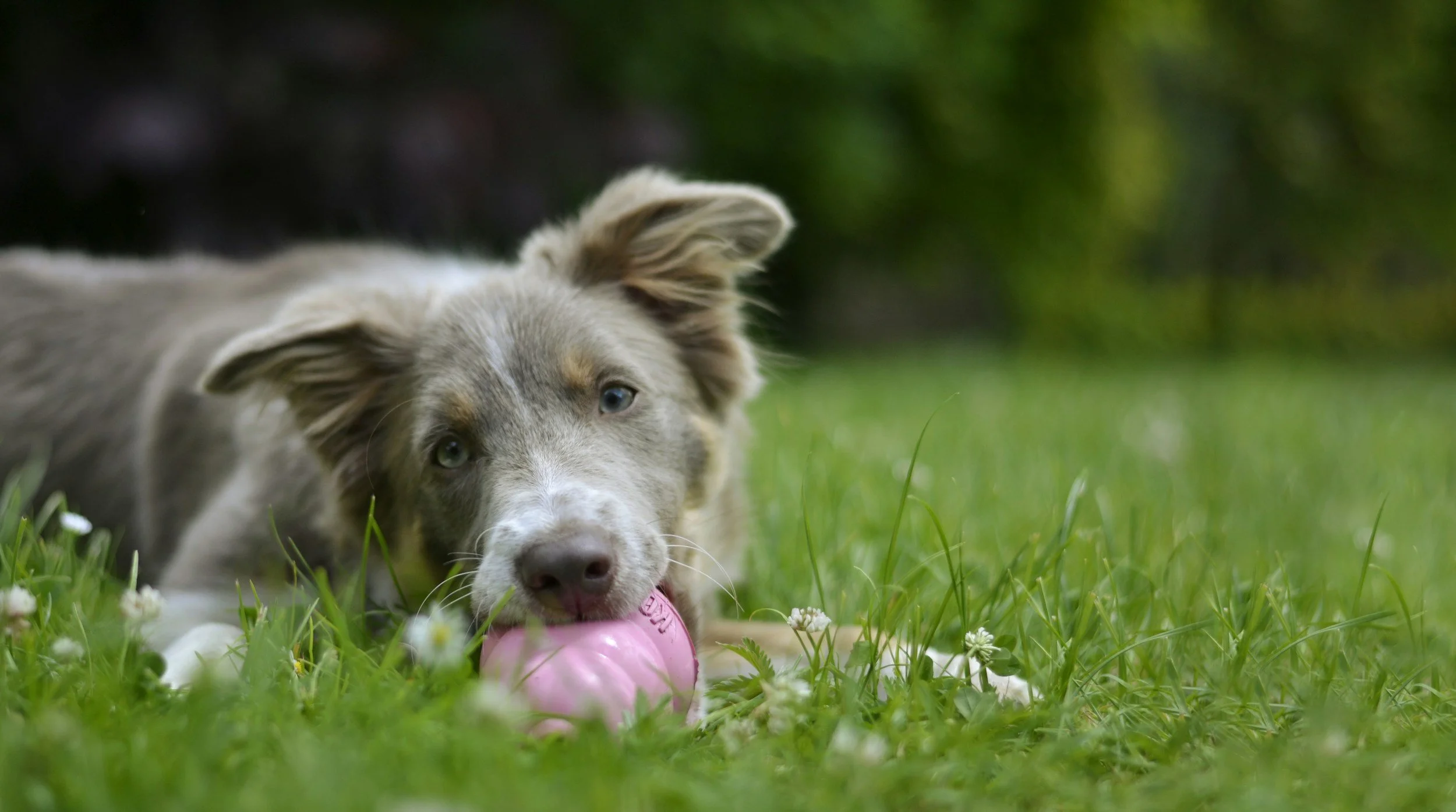
What Mental Stimulation Actually Is (And Isn’t)
Mental stimulation is not just giving a dog a toy and hoping for the best.
True mental work requires a dog to:
Think
Problem-solve
Make choices
Use their senses intentionally
Process information
Examples of effective mental stimulation include:
Puzzle toys that require strategy, not just movement
Interactive toys that change difficulty
Food reward games that involve searching or sequencing
Scent-based activities
Learning new behaviors in short, focused sessions
Exploring new environments at the dog’s pace
Chewing on a toy can be calming — but it is not the same as structured mental work.
How Mental Stimulation Changes Behavior
Mental stimulation directly impacts behavior because it regulates a dog’s emotional state.
When dogs are mentally fulfilled:
Their heart rate stabilizes
Stress hormones decrease
Focus improves
Reactivity lessens
Recovery time from stimulation shortens
This is why mental work is a core component of behavior modification training. It doesn’t just distract a dog — it teaches them how to settle, regulate, and engage appropriately with their world.
Many signs of anxiety improve dramatically once mental needs are met consistently.
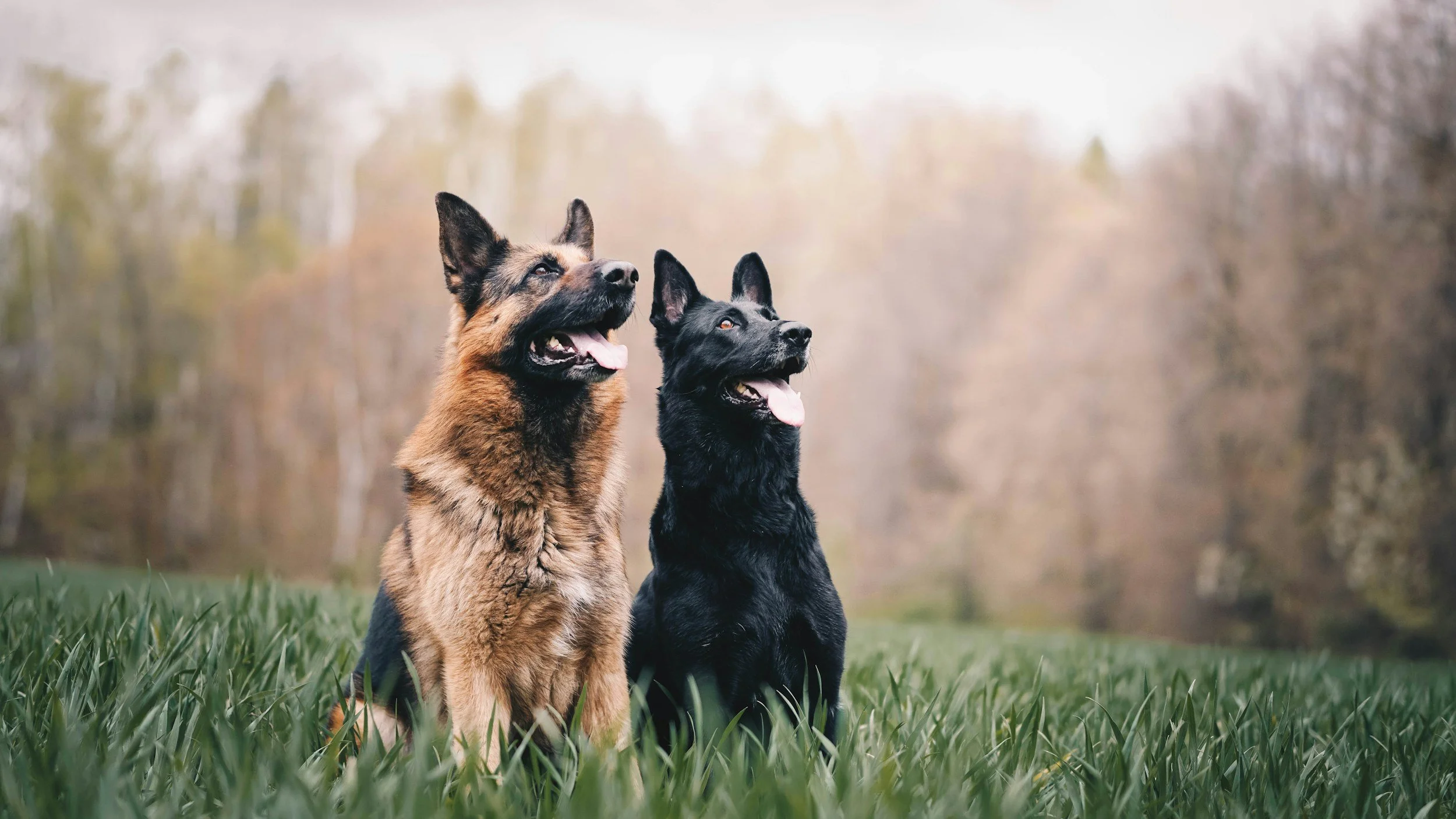
Mental Work Builds Confidence, Not Just Calm
Confidence is often mistaken for boldness. In reality, confidence comes from success.
When dogs are given achievable mental challenges:
They learn how to work through frustration
They gain problem-solving skills
They develop resilience
They trust their environment more
This is especially important for reactive dogs or dogs showing behavioral issues. Mental stimulation gives them control in a healthy way — allowing them to make decisions without being overwhelmed.
Why Mental Stimulation Must Be Structured
Unstructured stimulation can actually increase stress.
Constant novelty, random activities, or overstimulation without recovery leads to:
Heightened arousal
Inability to settle
Frustration behaviors
Structured mental stimulation is intentional and purposeful. It has a clear start and end, predictable rules, and recovery time built in.
Structure tells the dog: this is your job — and now your job is done.
Mental Stimulation Is Individual — Not One-Size-Fits-All
Different dogs require different types of mental work.
A basset hound may thrive on scent-based activities. A border collie may prefer problem-solving tasks. A senior dog may benefit from slower, low-impact mental challenges.
Age, breed, energy level, and past experience all matter.
The goal is not exhaustion — it’s engagement.
Mental stimulation is not about keeping dogs busy — it’s about meeting a biological need.
When mental needs are ignored, behavior problems intensify.
When mental needs are met, dogs become calmer, more responsive, and emotionally balanced.
In an upcoming post, we’ll break down how to choose the right mental stimulation for your dog, how to read when your dog is mentally overloaded, and how to use mental work as communication — not just enrichment.
Understanding how your dog thinks is just as important as understanding how they move.
Why Punishment Backfires
Many dog owners turn to shock collars, prong collars, physical punishment, or aversive methods out of desperation. These tools may suppress behavior temporarily, but they do not fix the underlying issue.
Punishment:
Increases fear
Raises stress levels
Masks warning signals
Escalates aggressive dogs
Breaks trust
Dogs punished for growling often stop growling — and move straight to biting. That’s why aggression issue cases worsen when warning signs are suppressed.
Behavior modification training focuses on appropriate treatment, not fear.
Leadership Isn’t About Dominance — And Behavior Isn’t Disobedience
This is one of the most common moments I see during training sessions. An owner asks their dog to sit. The dog looks away. They repeat the cue. The dog stands there. The owner sighs and says, “He knows this. He’s just being stubborn.” Sometimes it escalates to, “He’s trying to be dominant.”
This happens with dog owners of all experience levels, across dog breeds — from basset hounds to border collies, from puppies to adult dogs. And nearly every time, the issue is not disobedience or dominance.
It’s unclear leadership.
What’s Actually Happening in That Moment
From the human perspective, the dog is refusing to listen.
From the dog’s perspective, something very different is happening.
Dogs are constantly reading:
Body language
Tone
Movement
Emotional state
Environmental pressure
If the cue is given with hesitation, frustration, inconsistency, or without follow-through, the dog isn’t “testing” the owner — the dog is unsure what the expectation truly is.
When leadership lacks clarity, dogs hesitate. When dogs hesitate, humans label it disobedience.
But hesitation is not defiance.
Dogs Are Social — But Not Political
Yes, dogs are social animals. They evolved alongside humans, living in cooperative groups. They communicate through posture, space, movement, eye contact, and energy far more than through sound.
This is often described as “pack mentality,” but that phrase is frequently misunderstood.
Dogs do not sit around plotting rank takeovers in a household.
What they do seek is:
Stability
Predictability
Direction
In a healthy social structure, there is a clear leader — not a tyrant, not a bully, but a calm decision-maker. The leader sets the tone, the direction, and the pace.
In most homes where behavior problems exist, the issue is not that the dog is trying to dominate — it’s that no one is consistently leading.
Leadership vs. Being “In Charge”
A leader is not loud.
A leader is not reactive.
A leader does not repeat themselves endlessly.
Leadership, in a dog’s world, looks like:
Calm, confident movement
Clear expectations
Predictable routines
Consistent follow-through
Emotional neutrality
A dog does not need a human to be scary or forceful. Dogs actually struggle under explosive or emotionally charged leadership. Raised voices, physical punishment, or erratic corrections increase anxiety and reduce trust.
That’s not leadership — that’s instability.
When a human lacks direction, dogs often step in — not to control, but to cope.
When Behavior Is Misread as Disobedience
A dog pulling on leash, ignoring cues, barking excessively, or reacting to new people is often labeled “bad behavior.”
But behavior is information.
Behavior communicates:
Stress
Confusion
Overstimulation
Lack of structure
Emotional overload
A dog who doesn’t respond is not necessarily refusing. They may be:
Mentally overstimulated
Unsure of expectations
Lacking confidence in the handler
Experiencing environmental pressure
When humans misinterpret communication as defiance, they respond with frustration — which further breaks clarity.
What Weak Structure Looks Like (And How Dogs Respond)
Weak structure is common in loving homes.
It looks like:
Rules that change day to day
Commands given but not followed through
Inconsistent routines
Emotional reactions instead of calm guidance
Multiple family members enforcing different rules
Dogs living in weak structure often become:
Anxious
Reactive
Hyper-vigilant
Pushy or demanding
Easily overstimulated
These dogs aren’t misbehaving — they’re over-functioning.
They feel responsible for making decisions, managing environments, and interpreting mixed signals. Over time, this can show up as reactivity, aggression, or chronic stress behaviors.
What Strong Structure Actually Looks Like
Strong structure is not rigid or harsh.
It is clear and predictable.
Strong structure includes:
Set routines for walks, meals, and rest
Clear expectations that don’t change based on mood
Calm follow-through on cues
Controlled freedom rather than constant access
A safe place for decompression
Dogs in structured environments relax because they no longer feel the burden of decision-making.
They don’t need to guess.
They don’t need to manage.
They don’t need to lead.
They can just be dogs.
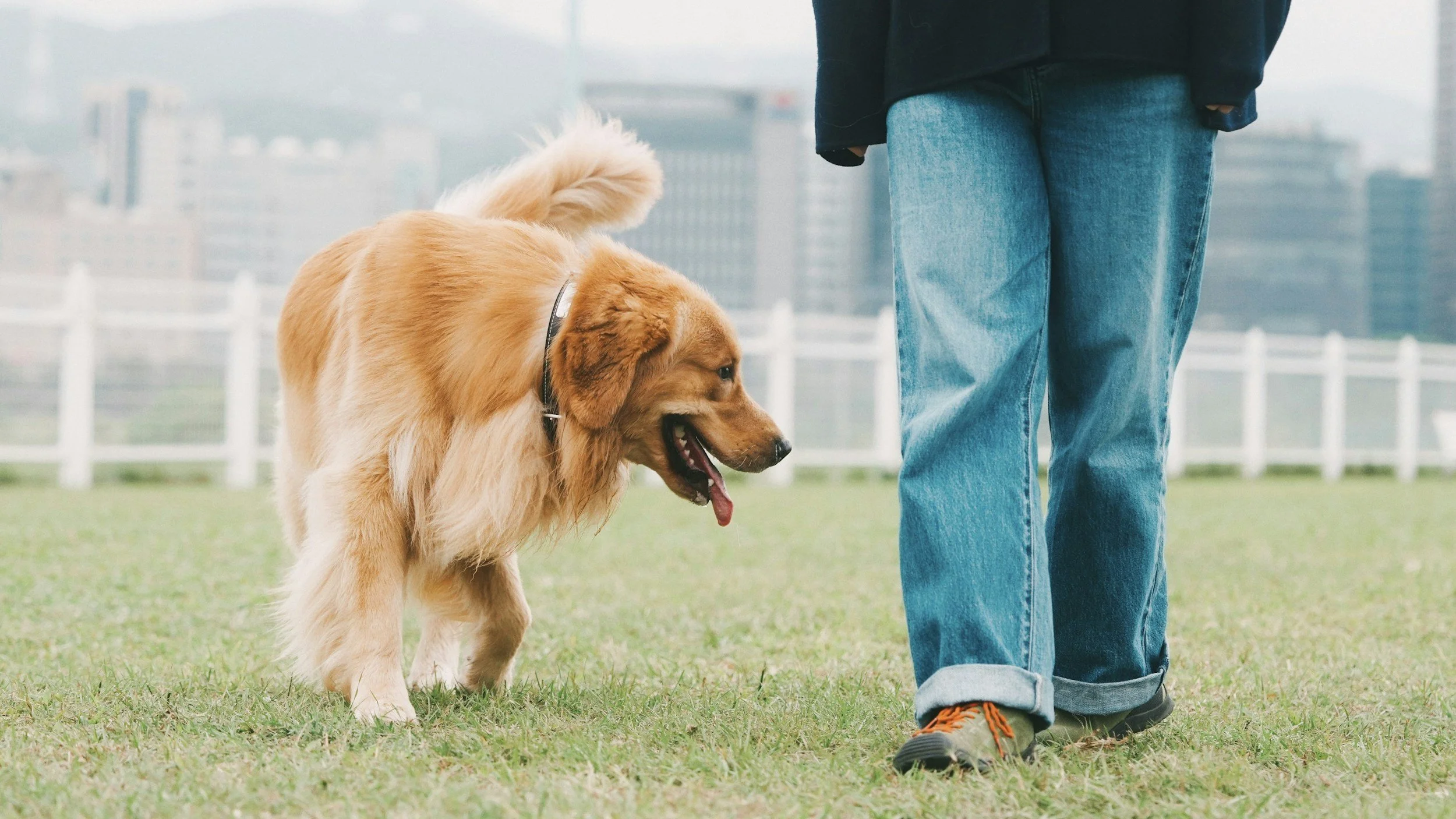
Why Dogs Relax Under Clear Leadership
When leadership is calm and consistent, dogs:
Show improved focus
Respond more reliably to cues
Display fewer stress behaviors
Recover faster from stimulation
Build confidence
This is why behavior modification training works best when leadership is addressed before commands are drilled.
Training teaches skills.
Leadership teaches stability.
Without leadership, obedience is fragile.
With leadership, behavior changes naturally.
Dogs don’t need dominance.
They don’t need fear.
They don’t need intimidation.
They need direction.
When humans learn to communicate clearly — through calm energy, consistency, and structure — dogs stop trying to fill the leadership gap. Behavior shifts not because the dog was “corrected,” but because the dog finally understands the world they’re living in.
That’s the difference between control and communication.
Medical Issues Are Often Overlooked
If behavior changes suddenly or intensifies, a medical condition or medical issue must be ruled out.
Pain, digestive problems, hormonal changes, and neurological conditions can all cause:
Aggression
Anxiety
House training regression
Changes in energy level
In serious cases, referral to a veterinary behaviorist or animal behaviorists may be necessary. Training without addressing physical health is ineffective — and unfair to the dog.

Structure Creates Stability
Dogs thrive in a structured environment.
Structure means:
Predictable routines
Clear boundaries
Consistent responses from all family members
Safe place to decompress
Balanced daily activities
Structure reduces anxiety because dogs know what to expect. It allows them to relax instead of constantly scanning for threats or decisions.
This is why facilities like Camp Bow Wow can sometimes appear to “fix” dogs temporarily — structure, routine, and energy outlets create calm. But without those things continuing at home, behaviors return.
Why Adult Dogs Can Still Learn
A common misconception is that adult dogs are harder to train. In reality, dogs of all ages are capable of learning — but adult dogs come with history.
Bad habits take longer to replace than to prevent. That doesn’t mean it’s impossible — it just takes:
Time span awareness
Patience
Consistency
Realistic expectations
Behavior change is a long way from instant. It’s a process measured in lesser degrees of improvement, not overnight transformation.
What Actually Helps Dog Behavior
So what works?
Real improvement comes from combining:
Positive reinforcement techniques
Mental stimulation
Enough exercise
Emotional safety
Clear communication
Appropriate training methods
Consistent daily routines
Food reward systems, when used correctly, build motivation and confidence. A good dog isn’t created through fear — they’re created through understanding and support.
The most well-trained dog is not the one who obeys out of fear, but the one who feels secure enough to choose good things.
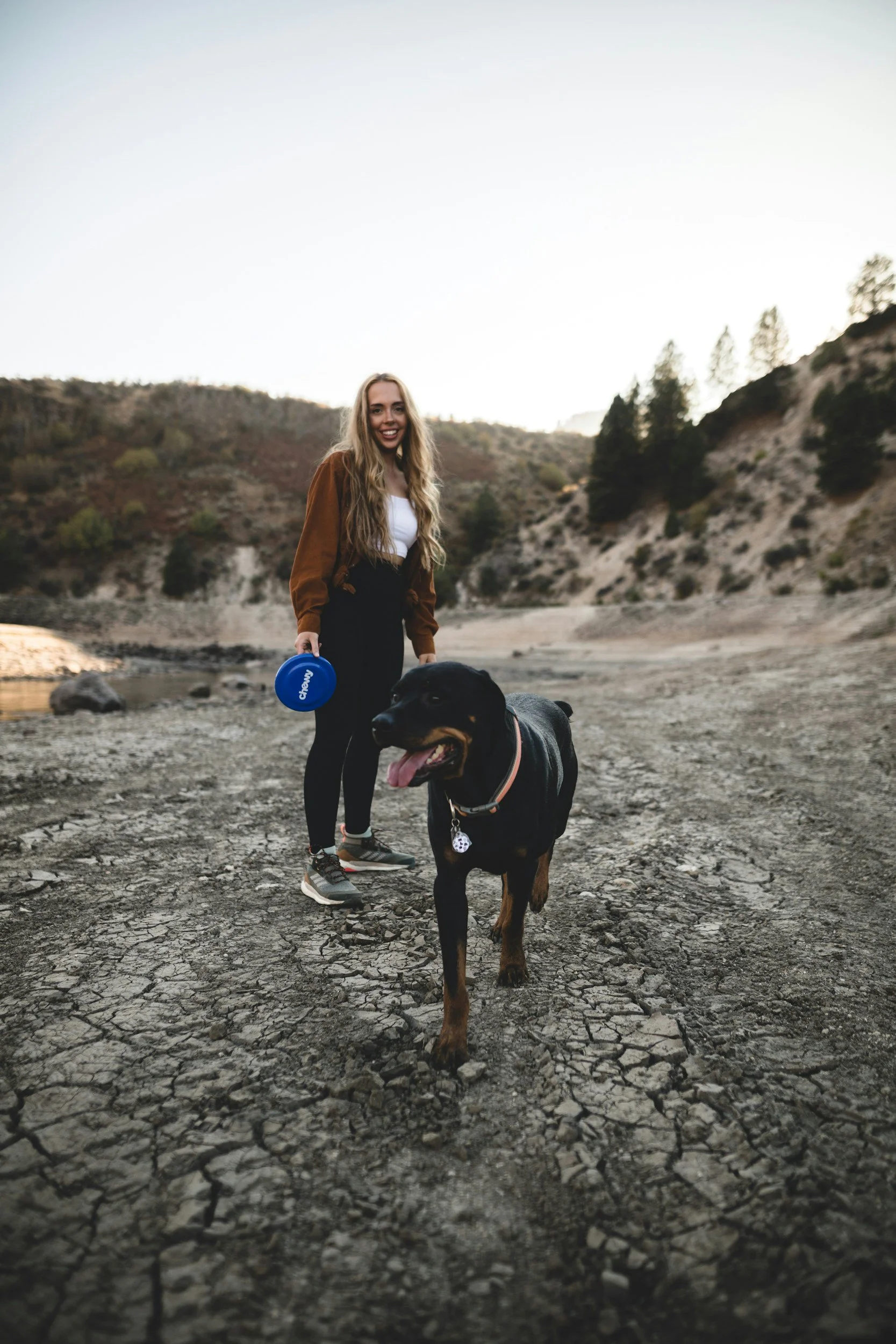
Training Is a Tool — Not a Cure
Training is still important. Obedience training gives dogs skills. Pet training provides clarity. But training must exist inside a lifestyle that supports the dog’s emotional and physical needs.
A well-behaved dog is built:
At home
On walks
During grocery store outings
Around new people
In different locations
Through everyday choices
Training sessions don’t fix behavior — how a dog lives does.
The Important Thing to Remember
If you’re struggling with dog behavior, it doesn’t mean you’ve failed. It means something in your dog’s world needs adjustment.
The best place to start is not harsher tools or more pressure — it’s understanding.
Behavior change is hard work, but it’s worth it. When dogs feel safe, fulfilled, and understood, good behavior follows naturally — and everyone’s quality of life improves.
Next Steps
Next Steps: Keep Learning & Build Real Results
If this post helped you understand the why behind behavior, these next posts will help you build the how—with simple routines and realistic training steps you can actually stick to.
Next Step: Daily Dog Training Routines That Actually Work
If your dog’s behavior feels inconsistent, your routine might be the missing piece. This post breaks down how to build daily structure that creates calm and makes training easier.
Why Your Dog Listens Sometimes (But Not Always)
Does your dog listen perfectly at home… but act like they’ve never heard “sit” outside? This post explains why that happens and what to do next.
Mental Stimulation vs Exercise: What Dogs Really Need
A tired dog isn’t always a trained dog. Learn how to balance physical movement and mental enrichment so your dog stays calm, focused, and fulfilled.
Creating a Calm Home Environment for Your Dog
Your dog’s environment affects their nervous system more than most people realize. This post shows you how to create calm at home without being “too strict” or too lenient.
Common Dog Training Mistakes Well-Meaning Owners Make
Most training issues aren’t caused by “bad dogs”—they’re caused by small mistakes owners don’t realize they’re making. Here are the fixes that create faster progress.