Daily Routines: How Structure Helps Dogs Thrive
Daily dog routines are one of the most powerful tools dog owners can use to support their dog’s behavior, mental health, and overall well-being. A consistent daily routine isn’t about control or rigidity — it’s about giving your canine companion clarity, predictability, and emotional security.
Dogs are social animals and creatures of habit. When their day follows a predictable schedule, their nervous system can relax. When expectations stay consistent, dogs feel safe. And when dogs feel safe, good behavior naturally follows.
As a dog trainer, I see behavioral issues every day that stem not from disobedience, but from a lack of structure. Separation anxiety, excessive barking, destructive behaviors, and signs of stress often improve dramatically once a dog’s routine is stabilized.
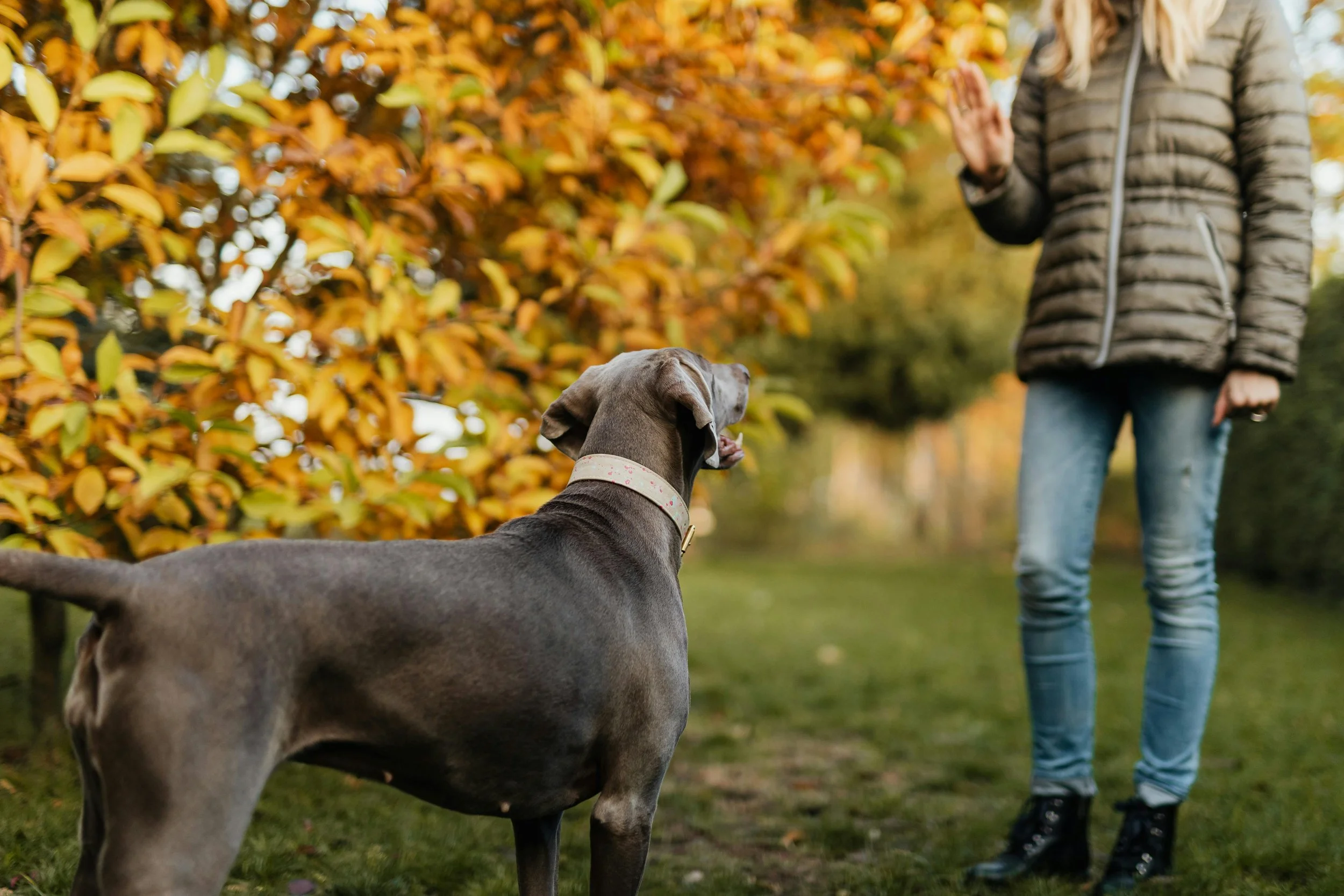
Why Dogs Need Structure and Predictability
Dogs thrive on routine because it creates a sense of control in an otherwise human-centered world. Your dog doesn’t understand your calendar, work stress, or unexpected changes — but they do understand patterns.
A structured routine helps meet a dog’s basic needs by answering questions like:
When will I eat?
When will I go outside for bathroom breaks?
When will I exercise?
When can I rest?
When will I get attention?
A predictable schedule creates a sense of security — a mental “safe net” your dog can rely on even when life feels chaotic. Loud noises, new people, a new environment, or a new home are far less overwhelming when the rest of the day stays familiar.
This is especially important for young puppies, adult dogs, and senior dogs alike.
Routines Support Mental Health (Not Just Behavior)
A dog’s mental health is just as important as their physical health. Mental stimulation paired with physical exercise reduces excess energy and prevents frustration from building up.
Without a daily rhythm, dogs often try to self-regulate — and that’s where behavioral issues show up.
Common signs of stress include:
Excessive barking
Destructive behaviors
Pacing or restlessness
Withdrawal or shutdown
Hyper-fixation on people or objects
A consistent daily routine gives dogs emotional security and peace of mind. They don’t have to guess what comes next — and that alone can be life-changing for many furry friends.
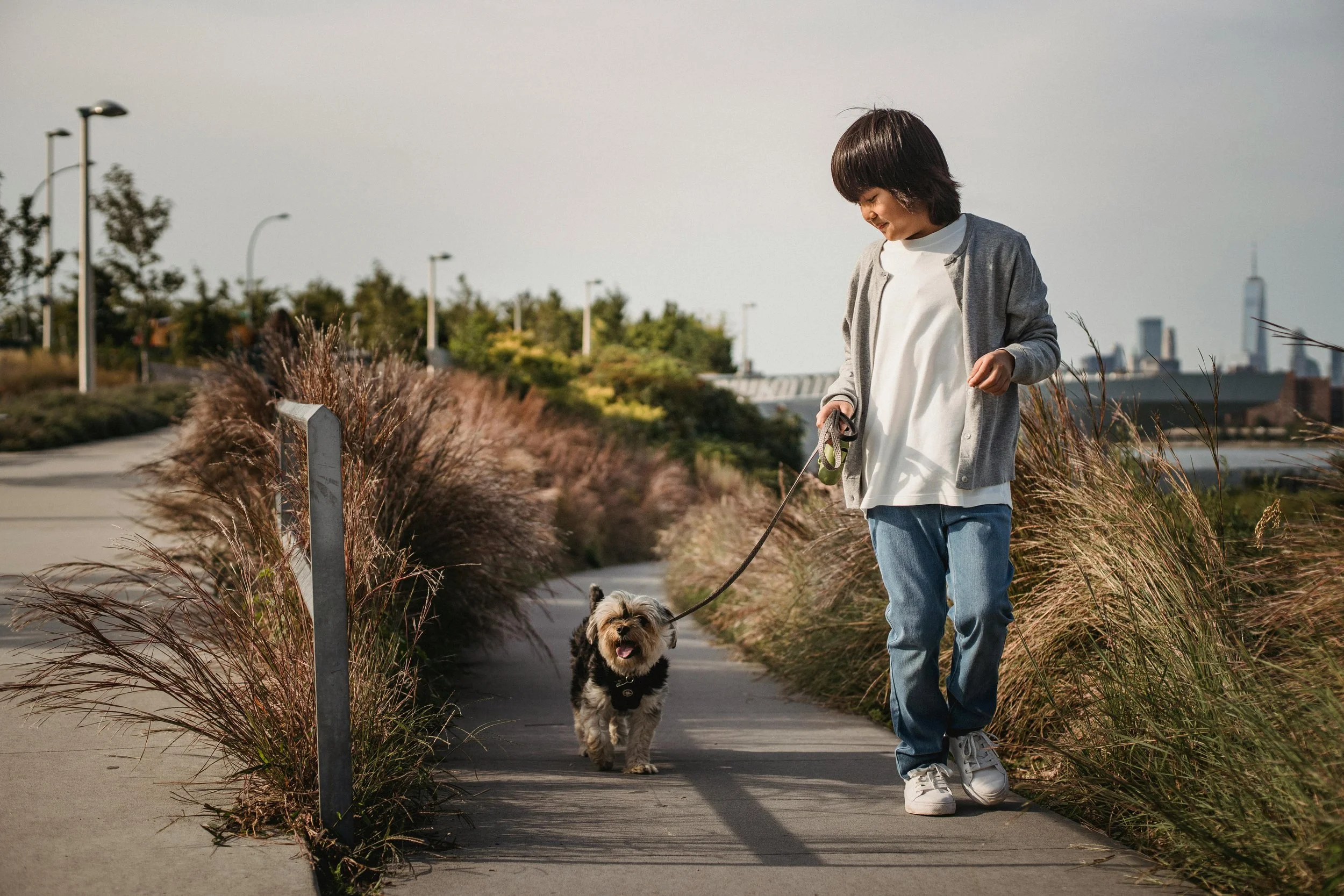
Building a Dog’s Daily Routine That Actually Works
A dog’s routine doesn’t need to be complicated to be effective. Small changes, done consistently, create healthy habits over time.
Morning Routine: Start the Day Calm and Clear
A solid morning routine sets the tone for the entire day.
This might include:
A morning walk or short walk, depending on energy level
Fresh water and a regular feeding schedule
Bathroom breaks
Quiet time before the household gets busy
For higher-energy dogs, a brisk walk or longer walk is a great way to release excess energy early. For older dogs or senior dogs, gentle movement still supports dog’s physical health without overdoing it.
Training Fits Into Your Daily Activities
One of the best ways to build good behavior is by integrating training into daily activities — not isolating it into long sessions.
Short Training Sessions Throughout the Day
Training works best in short training sessions spread across the day. Waiting for coffee to brew is the perfect time to practice:
Sit
Down
Stand
Stay
Use positive reinforcement to reward calm focus. These moments help reinforce a consistent schedule while strengthening communication.
Short sessions also prevent mental burnout and keep learning fun — especially when teaching new tricks or reinforcing basics.
Boundaries Create Calm Dogs
Dogs need boundaries the same way children do. Clear rules help dogs understand how to navigate shared spaces with family members safely and respectfully.
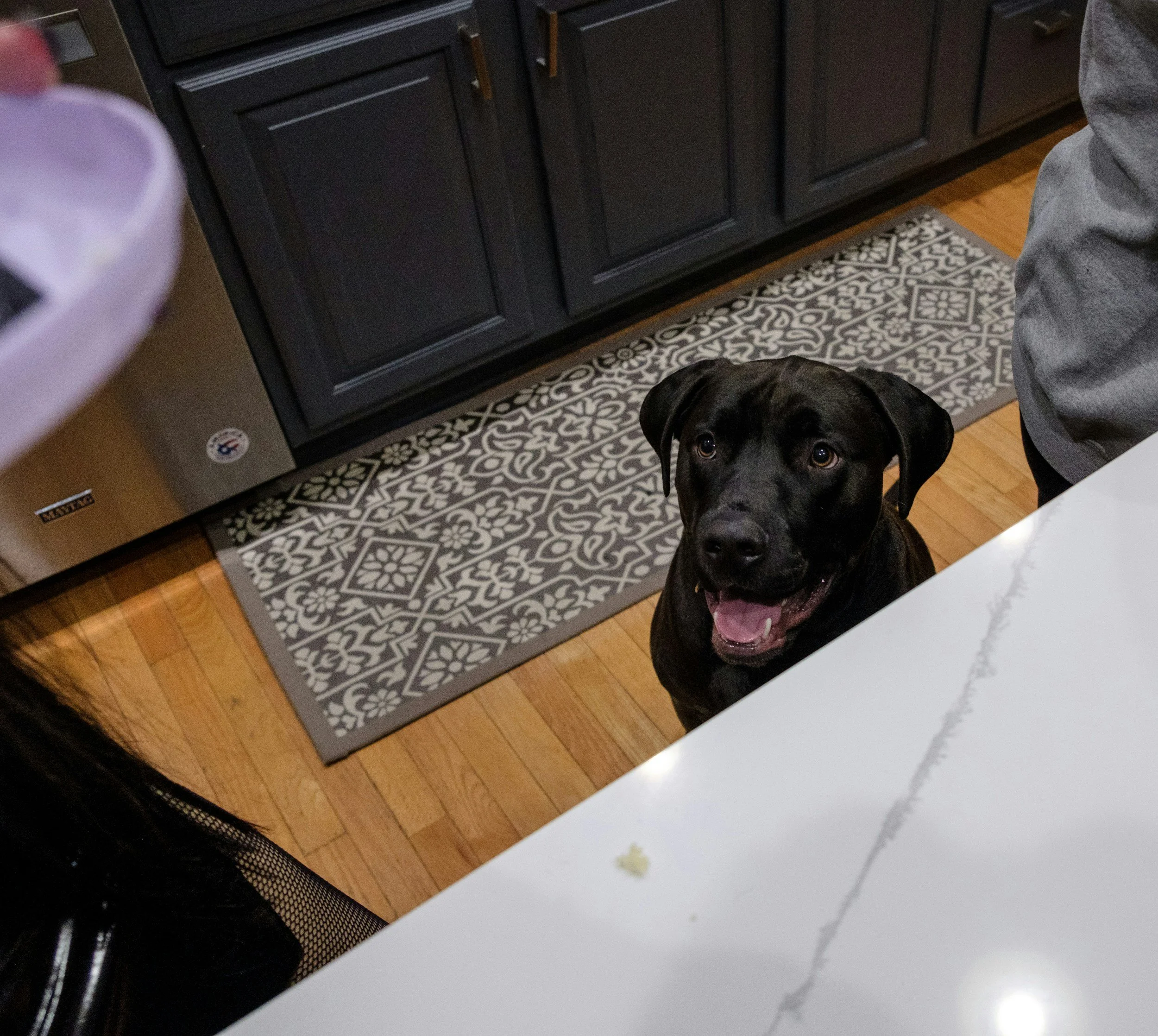
Kitchen Boundaries: Time and Place
The kitchen is a high-stimulation area. Food smells, movement, and anticipation can quickly overwhelm a dog’s mind.
Dogs can learn that:
The kitchen may be accessible at certain times
When food is present, they stay out
Announcing the boundary and enforcing it consistently teaches dogs that rules don’t change based on mood. This structured routine reduces stress and begging while keeping everyone safe.
Front Door Manners Protect Everyone
Waiting at the front door is one of the most important routines you can teach.
Dogs rushing the door can:
Knock over children
Injure elderly family members
Escape into unsafe situations
Encourage "door darting" behavior
Teaching dogs to wait creates impulse control and emotional regulation. Dogs learn to read body language, respond to cues, and wait until released — a vital skill for real-world safety.
“Place” and Crate Time: Creating a Safe Space
Teaching “Place” gives your dog a safe place to relax during meals, gatherings, or high-energy moments.
Crate training, when done correctly, also creates a safe environment — not a punishment. Crate time helps dogs learn quiet time, independence, and emotional balance, especially for dogs struggling with separation anxiety.
A crate should always be:
Comfortable
Predictable
Associated with calm
Dogs who have a safe space often show improved dog’s confidence and fewer behavioral issues.
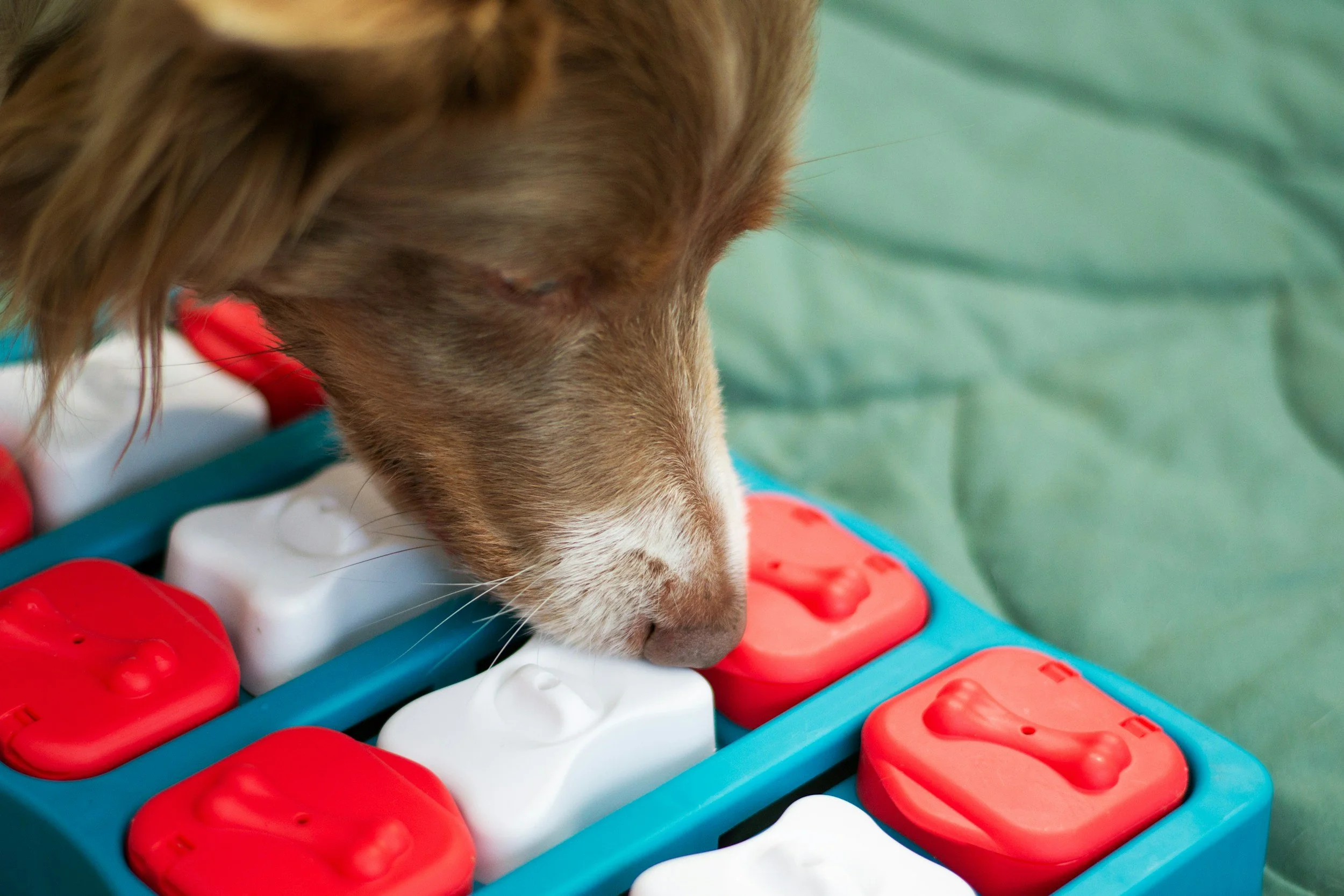
Mental Stimulation Matters as Much as Exercise
Regular physical activity alone is not enough for most dogs.
Mental stimulation is essential for:
Preventing boredom
Supporting dog’s mind
Reducing destructive behaviors
Puzzle toys, interactive toys, and interactive play challenge your dog’s brain in healthy ways. A short game of fetch, a food puzzle, or scent-based activities can be a great way to meet mental needs without over-exercising.
Using the Real World as a Training Tool
Many pet parents avoid taking dogs on errands out of fear of judgment. But real-life exposure is the best way to teach dogs how to function in a human world.
Hardware stores, parking lots, and sidewalks offer opportunities to practice:
Waiting at the end of an aisle
A down and relax while waiting in line
Staying calm around new people and distractions
Dogs cannot learn self-control without being given the opportunity to practice it.

Dogs Learn Like Humans — Through Experience
As humans, we spend our entire lives learning how to function around other people. Preschool. Elementary school. Middle school. High school. College. Then work life. Five days a week — sometimes more — from the time we are five or six years old, and often even earlier.
We didn’t learn social skills because we were perfect. We learned because we made mistakes.
How many times did someone come home from elementary school with a report from the teacher that wasn’t so great? Maybe it said we talked too much. Maybe we didn’t listen. Maybe we kicked another kid in the face on the playground. Years later, mom still tells that story — the one that makes us cringe every time we hear it. And how many other reports were there that never get told at all?
Those moments weren’t failures. They were learning experiences.
We were corrected. We were guided. We learned what was appropriate, what wasn’t, and how to regulate ourselves around others. Over time, those lessons shaped how we function in public, at work, and in relationships.
Dogs are no different.
Dogs are social animals, but they don’t get the luxury of daily practice. They don’t attend school five days a week. They don’t have years of structured exposure to new people, environments, and expectations. Most dogs get one outing a week — sometimes one outing a month — and we expect them to behave perfectly.
When they don’t, we ask, “What’s wrong with you?”
But that isn’t fair.
When a dog reacts with fear, excitement, excessive barking, or overwhelm in public, it’s rarely a flaw in the dog. It’s a lack of experience. They haven’t been taught how to function in those environments because they haven’t been given consistent opportunities to learn.
Then what happens next is even more damaging.
We stop taking them out.
We avoid public places because we’re worried about judgment, embarrassment, or “bad behavior.” We limit exposure even more — and the next time the dog does go out, they’re even more overwhelmed. New people. New dogs. Loud noises. A new environment. Their body language shifts, signs of stress appear, and suddenly they look “crazy” or “out of control.”
But imagine if a child only went to school once a month.
Of course they’d struggle.
Dogs need safe, guided exposure to learn how to exist calmly in the world. They need repetition. They need structure. They need someone to advocate for them and say, “This is okay. I’ve got you.”
That’s where daily routines matter.
When dogs are gradually brought into everyday life — errands, short outings, calm public spaces, predictable interactions — they build emotional security and confidence. They learn that excitement doesn’t mean chaos. They learn how to self-regulate. They learn how to recover after mistakes.
Just like we did.
Dogs don’t need perfection.
They need practice.
And when we stop expecting dogs to “just know” how to behave — and instead give them the same grace, structure, and learning opportunities we were given — their behavior changes in powerful ways.
Why Consistency Matters More Than Perfection
You don’t need the perfect routine — you need a consistent daily routine.
Dogs feel safest when:
Feeding times stay regular
Walks happen at predictable times
Training expectations don’t change
Rest is respected
Even small changes, when repeated daily, create powerful results.
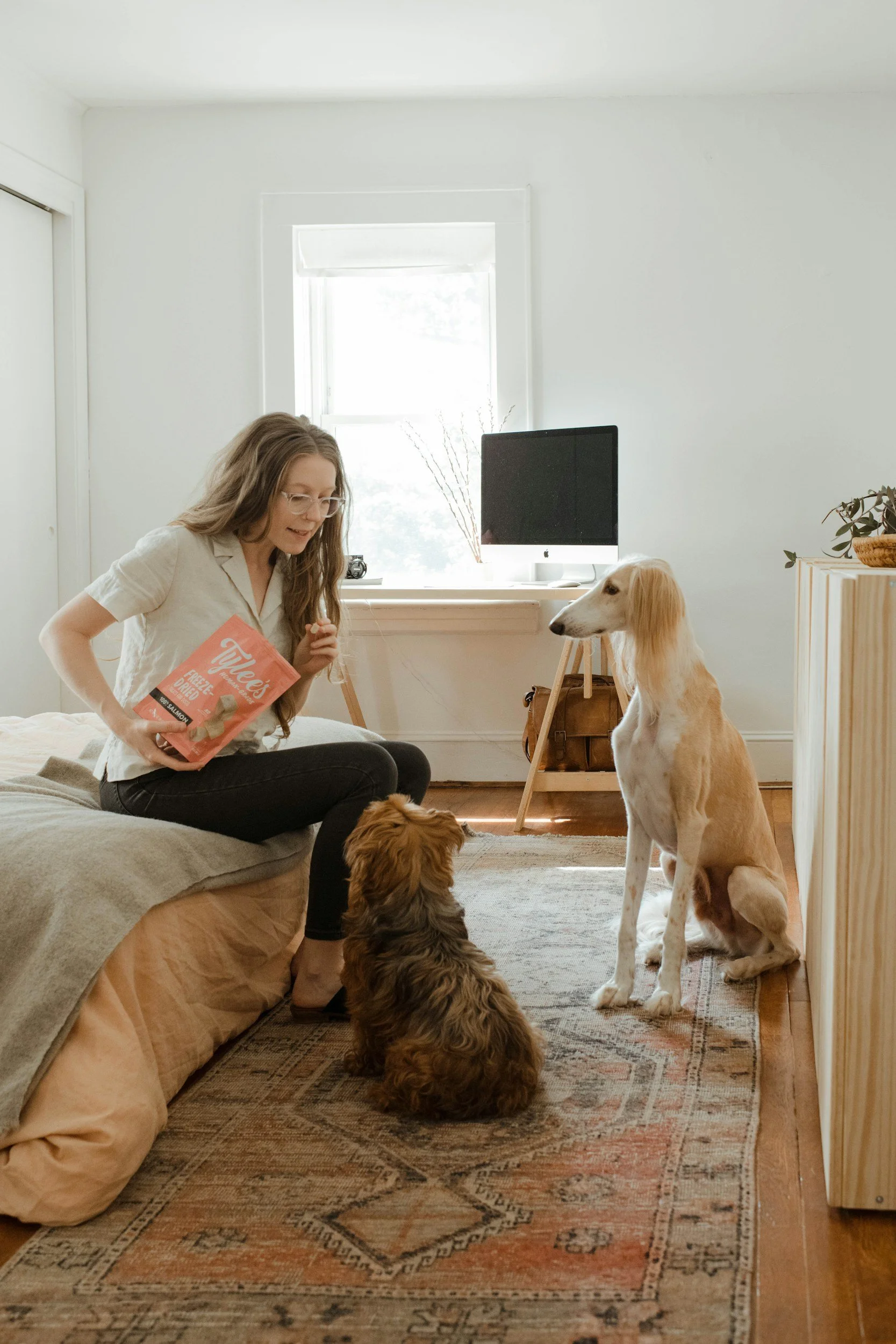
Daily Routines Create Happy, Healthy Dogs
A dog’s daily routine supports:
Dog’s physical health
Mental health
Emotional security
Dog’s confidence
Peace of mind for pet parents
When dogs understand their schedule, they don’t need to control everything. They settle. They listen. They thrive.
Daily routines are the best way to turn training into a lifestyle — not a chore.
Structure doesn’t limit dogs.
It gives them freedom to be calm, confident, and happy.
Remember
If your dog listens sometimes but completely falls apart in other moments, you’re not alone — and your dog isn’t ignoring you.
Inconsistent listening is often a sign that your dog doesn’t yet understand how to regulate themselves in different environments, not that they’re being stubborn or disobedient.
In another post, I break down why dogs seem to “forget” their training, how stress, excitement, and environment impact behavior, and what you can do to help your dog respond more reliably — without punishment or frustration.
I’ll also be diving deeper into mental stimulation — one of the most overlooked needs in modern dogs — and how engaging your dog’s mind daily can dramatically reduce excess energy, anxiety, and behavioral struggles.
These two pieces work together to help you understand what’s really happening inside your dog’s mind — and how to support them through it.
Check Out These Dog Training Blog Posts Next
If this post helped you recognize some common training mistakes, these related blogs will help you take the next step toward creating a calmer, more connected relationship with your dog:
Start Here - Why Training Alone Doesn’t Fix Dog Behavior (And What Actually Helps)
Training commands are only one piece of the puzzle. This post explains why behavior issues often stem from unmet needs, unclear communication, and lack of structure—and what truly creates lasting change.
Mental Stimulation vs. Exercise: What Your Dog Really Needs
If your dog is still restless after walks, this post breaks down why mental stimulation is just as important as physical exercise—and how to balance both for a calmer, happier dog.
How to Create a Calm Home Environment for Your Dog
Your dog experiences your home very differently than you do. This post explores how dogs perceive their environment and how small changes in your home can dramatically improve behavior and emotional regulation.