Why Dogs Listen Someitmes But Ignore You Other Times
If you’re a dog owner who’s ever thought “My dog knows this — why won’t they do it right now?” you are not alone. This is one of the most common problems dog parents bring to professional trainers, and it can feel incredibly frustrating when your dog listens beautifully one moment… then acts like they’ve never heard you the next.
Next time this happens, take a deep breath. This behavior pattern doesn’t mean your dog is stubborn, dominant, or ignoring you on purpose. More often than not, it means there’s a communication gap — not a lack of training.
Understanding why dogs listen sometimes but not others requires us to step out of our expectations and into the dog’s perspective. Once we do that, the root of the problem becomes much clearer — and much easier to fix.
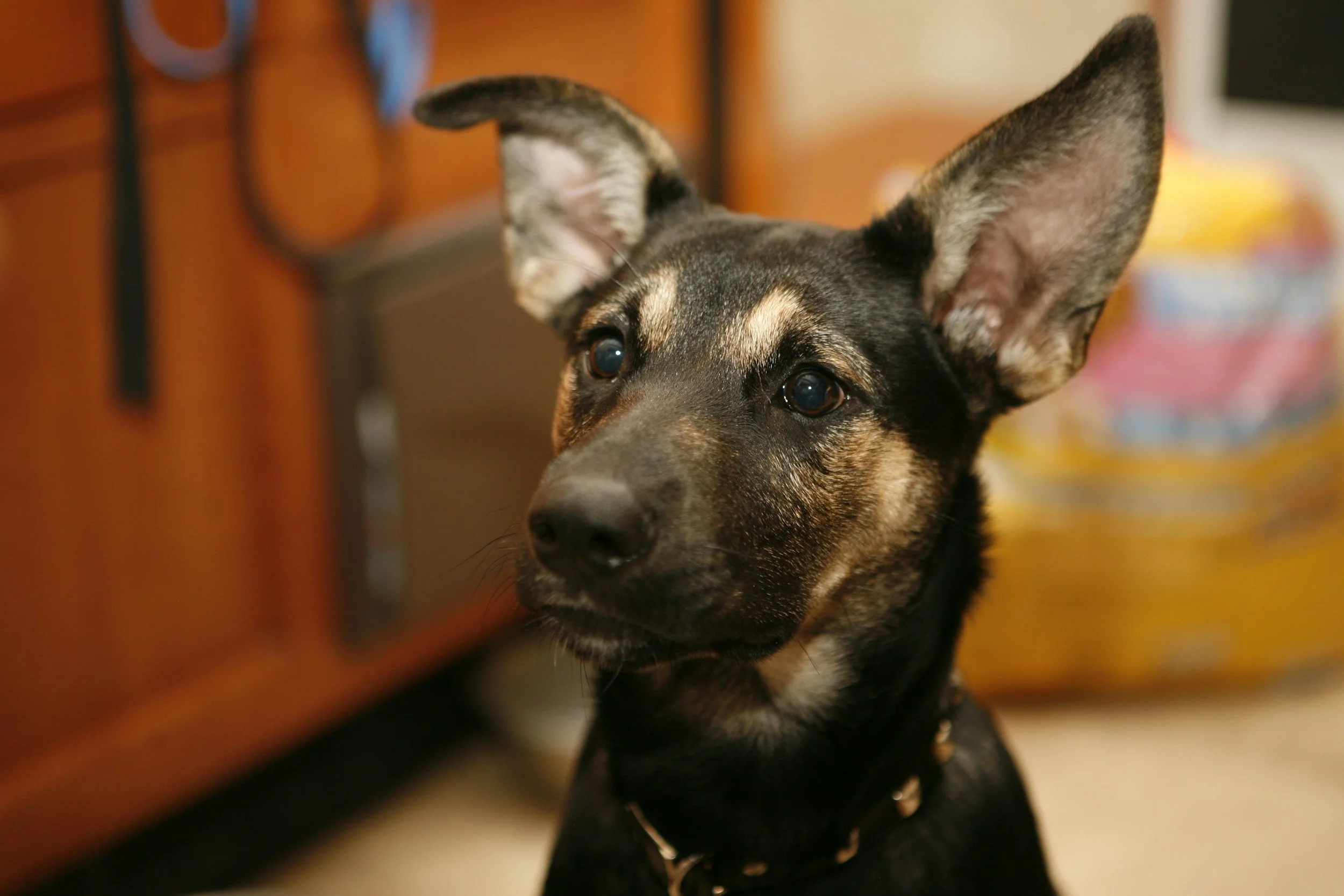
Listening Isn’t a Personality Trait — It’s a Skill
Many dog owners believe that listening is something dogs either do or don’t do. In reality, listening is a new skill that develops through repetition, emotional safety, and consistent reinforcement.
Your dog listens in the living room because:
The environment is familiar
Distractions are low
Your dog’s heart rate is calm
The daily routine feels predictable
But move that same dog to a dog park, a new environment, or outside your home property, and everything changes.
Loud noises, approaching people, other dogs, and unfamiliar smells all increase arousal. This triggers a frequent physiological flight response that competes directly with learning. Your dog isn’t choosing to ignore you — their nervous system is simply overwhelmed.
From the Dog’s Perspective: Context Matters
Dogs are social animals who learn context-specifically. That means a verbal cue or hand signal learned in one place doesn’t automatically generalize to different situations.
A dog who listens inside may not listen outside because:
The cue was never practiced elsewhere
The environment is the absolutely most distracting environment they’ve experienced
The reward offered no longer outweighs the distraction
This is why professional dog trainers emphasize training in smaller pieces across different environments, instead of expecting reliability everywhere all at once.
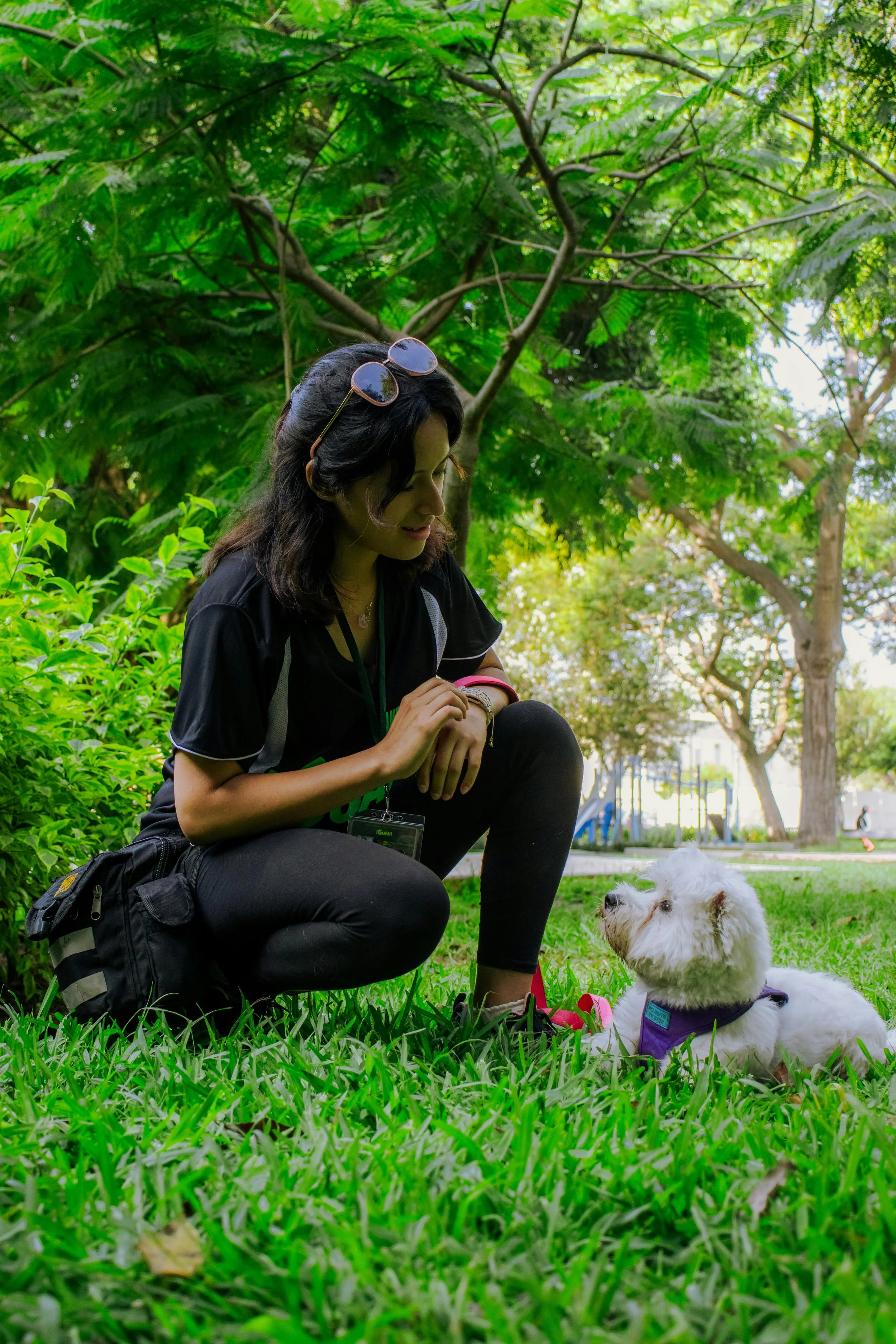
The “Poisoned Cue” Problem
One major reason dogs stop responding is something trainers call a poisoned cue.
This happens when:
A cue is repeated countless times
The dog fails repeatedly
The cue becomes associated with pressure or frustration
Instead of predicting good things, the cue becomes a bad thing — something the dog expects to fail at.
A knee-jerk reaction is often to repeat commands louder or faster. Unfortunately, this causes symptoms instead of addressing the cause.
The best solution is often to pause, reset, and teach a new cue with fresh positive reinforcement techniques.
Why Dogs Listen “Sometimes” Specifically
Let’s break this down into real-life scenarios dog parents recognize.
Inside vs Outside
Your dog listens in the living room but won’t sit outside. That doesn’t mean they won’t listen — it means the outside world hasn’t been trained yet.
One Person vs Another
Dogs respond differently to different people because body language, tone, timing, and eye contact vary. Proper training includes proofing behaviors with multiple family members so the family dog understands cues regardless of who gives them.
Calm vs Excited States
When heart rate rises, response time slows. Learning cannot happen during frequent physiological flight. This is why reliable behavior must be trained below threshold first.
Adult Dogs, Older Dogs, and Young Dogs Learn Differently
Adult dogs and older dogs often have long-standing behavior patterns. Young dogs and a new puppy are still learning how to exist in everyday life.
Age differences matter:
Young dogs need shorter training sessions
Adult dogs need clearer boundaries
Older dogs may need slower pacing and lower physical demand
Months of age, prior learning history, and emotional experiences all shape dog behavior.
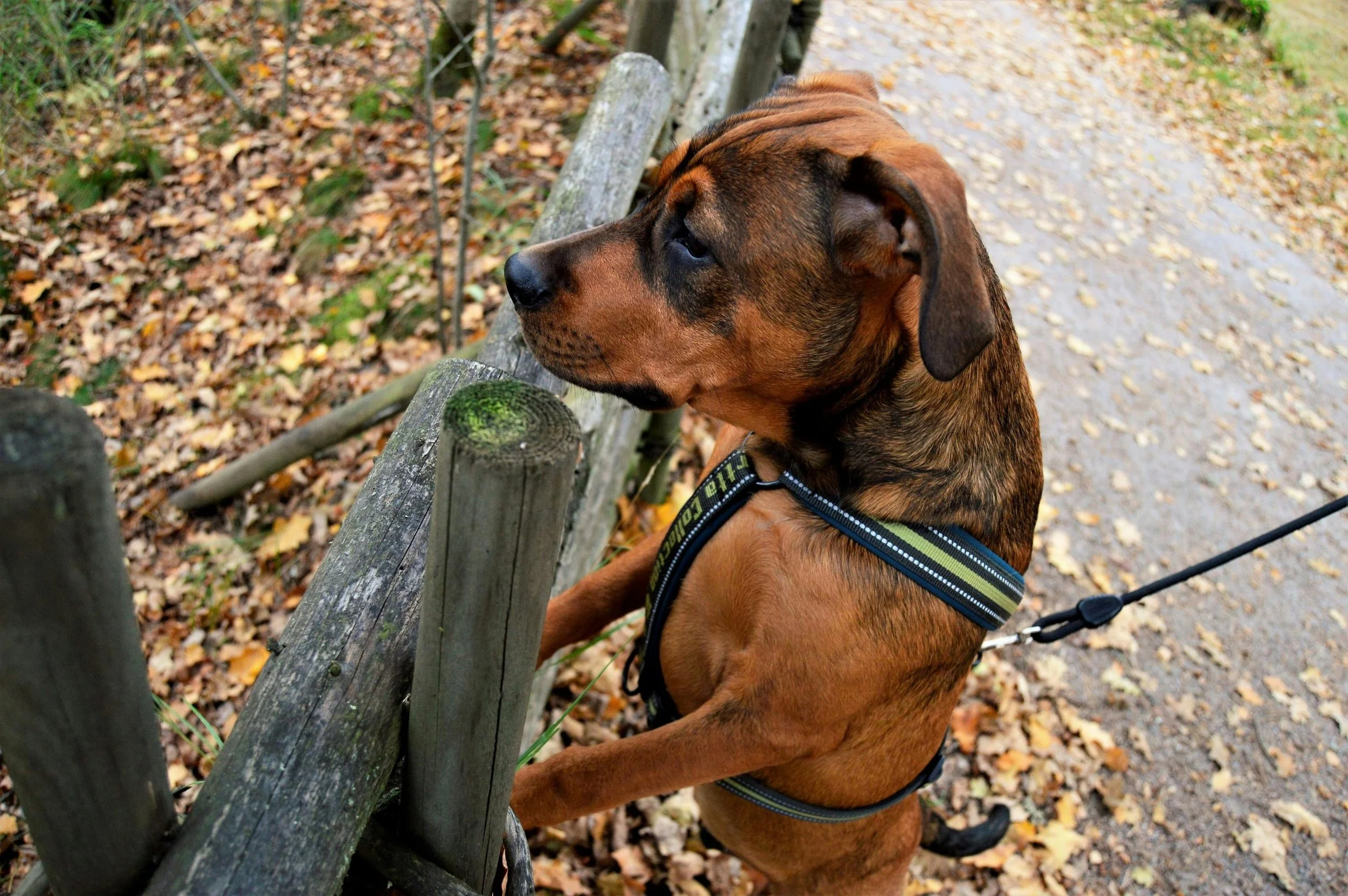
Why “Commands” Often Fail
One of the biggest misunderstandings in dog training is the belief that repeating a command will make it work faster. In reality, repetition without pause is one of the quickest ways to make a cue stop working altogether.
Let’s walk through a very common example.
At home, your dog sits within one second of the verbal cue. The behavior feels automatic. Then one day, you ask for a sit and… nothing happens. Your instinct is to repeat the command.
“Sit.”
“Sit.”
“Sit… SIT.”
From the dog’s perspective, this isn’t helpful information — it’s noise.
When cues are repeated rapidly, the value of the command gets drowned out. The dog no longer has time to process what’s being asked. There is no thinking window, no decision-making moment, and no clear path to success. Instead of learning, the dog experiences pressure.
At the same time, your stress increases. You’re confused because the dog knows this. Your tone tightens. Your body language changes. Your heart rate rises — and your dog’s does too.
Now you’re in an escalated spiral.
You’re frustrated because your dog isn’t responding in their normal response time. Your dog feels that frustration, senses tension, and becomes emotionally dysregulated. Relaxation disappears. Focus disappears. And now, even though the behavior was once reliable, the dog definitely isn’t sitting.
This is how a simple moment turns into a breakdown — not because the dog won’t listen, but because the communication has become unclear and emotionally charged.
Dogs don’t fail commands because they’re being stubborn. They struggle when:
They aren’t given time to think
Cues are repeated without feedback
Emotional pressure replaces clarity
The better way is often to say the cue once, pause, and allow the dog to process. If the response doesn’t happen, reset the situation instead of repeating the cue. Help the dog succeed by lowering the difficulty, changing the environment, or reinforcing the behavior when it does happen.
Clear cues, calm timing, and emotional neutrality preserve the meaning of your words — and give your dog the space they need to respond correctly.
The Role of Rewards: Timing Is Everything
Rewards are not just about what you give your dog — they are about when you give it.
When a dog is learning a new behavior, we absolutely reward the baby steps. We mark effort. We reinforce small wins. That’s how learning begins. But once that behavior is taught — once your dog can perform it at home five out of five times — the rules change.
This is the moment many dog owners miss.
At this stage, you are no longer teaching what to do. You are teaching how well to do it.
If you continue rewarding half behaviors, that’s all you’re going to get. Dogs are incredibly efficient learners. They will always choose the easiest version of a behavior that still works for them.
Dogs are no different than kids in this way. If a child knows they can get away with less effort in public than they’re expected to give at home, that’s exactly what they’ll do. Dogs are simply responding to the patterns we allow.
This does not mean getting angry. It does not mean raising your voice. It means calmly, clearly, and consistently reinforcing only the full behavior you want.
If the behavior isn’t strong, reset. Take a breath. Try again. But don’t give in — because the moment you do, the learning shifts. At that point, it’s no longer you training your dog. It’s your dog training you.
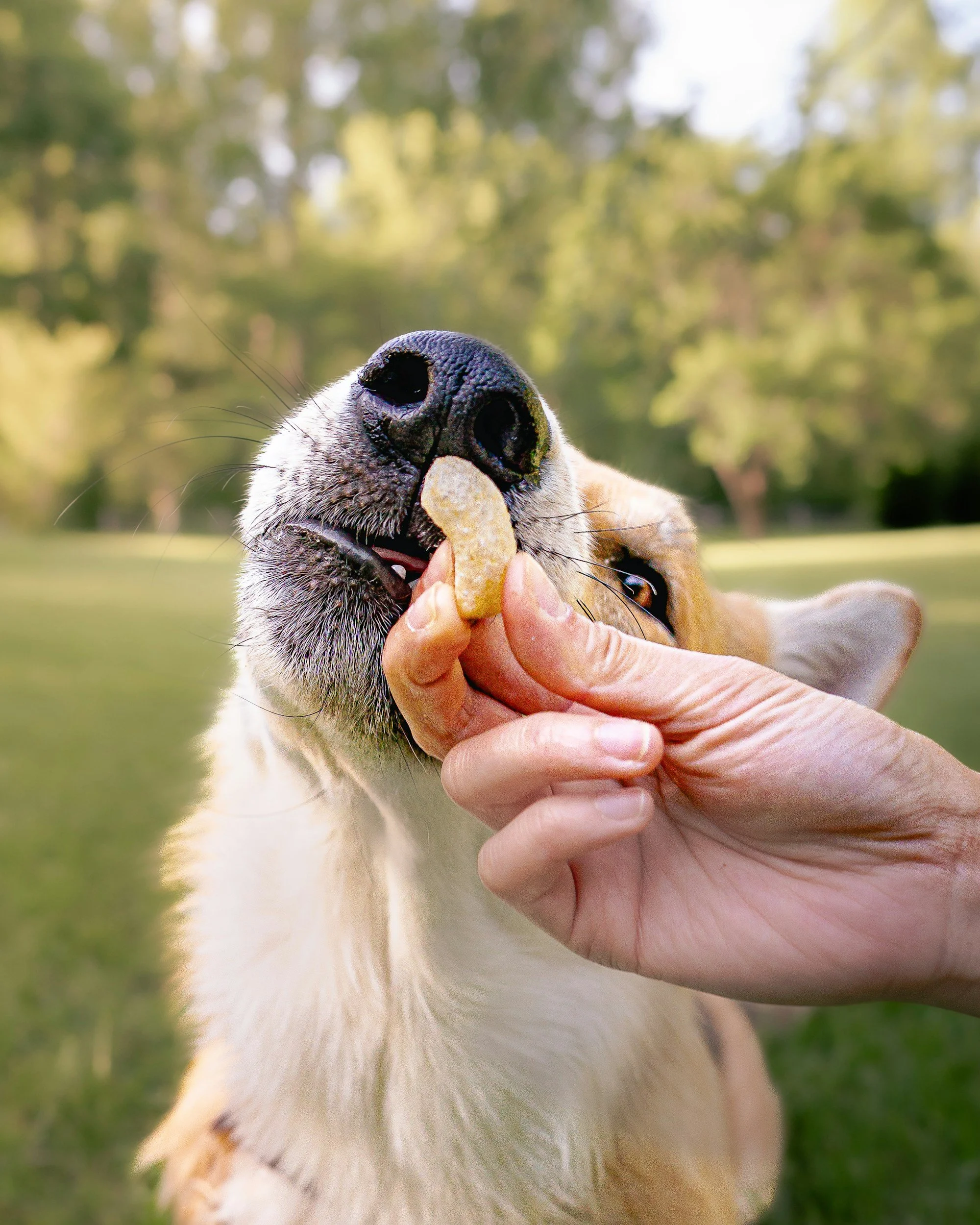
Reward-Based Training Builds Reliability
Reward-based training works because it creates clarity, not confusion.
Reliability is built when:
The dog understands exactly what earns reinforcement
The marker comes immediately
The reward consistently follows
Timing is everything.
If you ask for a heel and your dog gives it, you mark that behavior immediately.
“Yes.”
Then, within one second, the reward happens.
That timing window matters. A delayed reward blurs the picture. The dog may not know what earned it — the position, the eye contact, or something else entirely. Clear timing creates clear learning.
And here’s something many people misunderstand: training does not only happen when treats are present.
If you don’t have a treat on you, that does not mean training stops. A calm pet, praise, or physical affection can absolutely function as a reward. Many dogs value touch and connection just as much as food.
Training doesn’t end when the treat pouch comes off. Training doesn’t end at home. Training doesn’t end once a dog “knows” a behavior.
Training happens in everyday life.
Every time you mark a good choice.
Every time you reinforce calm behavior.
Every time you acknowledge focus or effort.
We are human — we will fail sometimes. Dogs will fail sometimes too. That’s normal. The responsibility on our side is not perfection. It’s consistency.
Stay calm. Stay clear. Reward strong behaviors. Reset when needed. And keep your timing clean.
That is how reward-based training turns behaviors from “sometimes” into reliable — and builds a dog who understands exactly how to succeed.
Training Is Not a Single Day Event
One of the biggest mindset shifts dog owners can make is understanding that training is not something you do for fifteen minutes and then put away. Training is not a single day event, a single class, or a single milestone. It is part of everyday life.
In fact, some of the most powerful training moments happen when you’re not actively “training” at all.
Think about your morning routine. You’re brewing coffee, moving around the kitchen, starting your day. Your dog is watching, anticipating, and learning. This is a perfect opportunity to reinforce calm behavior, patience, and boundaries. Waiting politely while you make coffee, choosing to settle instead of pacing, or offering eye contact without jumping are all behaviors that can be marked and rewarded. No leash. No formal session. Just real-life learning.
Feeding times are another overlooked training opportunity. Morning and evening meals don’t need to be rushed or automatic. Asking for simple behaviors — a sit, a down, or calm eye contact — before placing the food bowl down reinforces impulse control and focus. Training before food isn’t about control; it’s about teaching your dog how to regulate themselves during moments of excitement.
Daily walks are the same way. Walks are not just exercise — they are training in motion. Loose leash walking, checking in with you, responding to cues despite distractions, and making good choices around other people and dogs are all learned through repetition. These skills don’t come from one long walk once a week. They come from consistency on everyday walks.
Even running errands can become part of your dog’s education. Loading into the car calmly, waiting at the crate door, settling while you grab something from the store, or riding quietly instead of vocalizing — these are real-world behaviors that shape how your dog navigates everyday life.
This is where structure matters. Predictable routines help dogs understand what’s expected, reduce anxiety, and create emotional stability. When dogs know what comes next, they are better able to focus, learn, and respond.
If this idea resonates, it connects directly with the foundation discussed in Daily Dog Routines: How Structure Helps Dogs Thrive — because consistency, predictability, and repetition are what turn behaviors into habits.
Training doesn’t end after a good session. It happens every day, in small moments, over time. And those moments are what build reliability.
Boundaries Without Intimidation: Leadership Through Body Language
Leadership in dog training is not about intimidation, dominance, or control. True leadership is communicated quietly — through consistency, clarity, and body language. Dogs are always watching us, long before we ever speak.
We often focus so much on what we’re saying to our dogs that we miss what we’re showing them.
Our posture, movement, facial expression, and energy all communicate expectations. Calm, confident body language creates a sense of safety. Tension, hesitation, or frustration creates uncertainty. Dogs don’t need us to be perfect — they need us to be predictable.
Boundaries without limitation mean giving dogs clear structure while still allowing choice. A boundary isn’t a punishment; it’s information. It tells your dog where success lives. When boundaries are consistent, dogs can relax because they understand the rules of their environment.
At the same time, dogs are communicating back to us just as clearly — and often more honestly — through their own body language. Subtle signals like turning their head away, avoiding eye contact, slowing movement, freezing, or changing posture are all forms of communication. These signals often appear long before a dog growls, shuts down, or disengages completely.
When we miss these signs, we unintentionally apply pressure where the dog is already struggling. A dog who feels unheard may stop responding not because they’re being defiant, but because they’re overwhelmed or unsure how to succeed.
Leadership means noticing those moments and adjusting. It means recognizing when a dog needs clarity instead of repetition, space instead of pressure, or guidance instead of correction. When we respond to body language instead of fighting it, learning becomes collaborative rather than confrontational.
Dogs thrive under leaders who are calm, consistent, and aware. When our body language says, “I’ve got this, you’re safe, and here’s what to do next,” dogs are far more likely to listen, engage, and trust.
Communication goes both ways. When we learn to lead with our bodies and listen with our eyes, we stop missing the messages our dogs have been sending all along.
Safety, Emotion, and Connection — And When to Seek Help
At the foundation of all reliable behavior is one non-negotiable truth: dogs must feel safe to learn.
Safety isn’t just physical. It’s emotional. A dog who feels pressured, confused, or overwhelmed cannot access learning — no matter how well they “know” a behavior. When emotion overrides cognition, listening disappears.
This is why connection matters so deeply in training. Dogs don’t perform behaviors in a vacuum; they respond within a relationship. They are constantly reading tone, posture, facial expression, and energy. When a dog feels emotionally secure, their ability to focus, regulate, and respond improves dramatically.
This is especially important in situations that naturally raise arousal:
Loud noises
Crowded spaces
Approaching people
Off-leash environments
New or unpredictable situations
In these moments, many dogs experience a spike in heart rate and stress that can trigger a physiological flight response. When that happens, behavior isn’t a choice — it’s a reaction. Asking for precision or obedience in that state often leads to frustration on both sides.
That frustration can quietly erode connection if it isn’t addressed.
This is where many dog parents begin to feel stuck. You’re trying your best. You’ve practiced. You’ve repeated behaviors countless times. And yet, in certain situations, things fall apart. That doesn’t mean you’ve failed — it means the situation has outgrown what you can reasonably troubleshoot alone.
Seeking help from a professional trainer is not a last resort. It’s a smart, proactive step when safety, emotion, and clarity begin to blur together.
A professional dog trainer can help identify:
Whether behavior is rooted in stress, confusion, or overexposure
Where communication is breaking down
How to rebuild clarity without pressure
What safety measures should be in place before advancing training
This is especially critical for goals like good off-leash training, reliable recall, or navigating high-distraction environments. These skills require not just repetition, but thoughtful progression and emotional regulation — for both the dog and the human.
Strong training relationships are built on trust, not force. When dogs feel safe, understood, and supported, positive behavior becomes sustainable. When owners feel supported, calm replaces frustration — and progress follows.
The goal is never perfection. The goal is connection, clarity, and safety — and knowing when extra guidance will protect all three.
Final Thought for Dog Owners
Your dog isn’t ignoring you.
They’re communicating.
Listening depends on:
Environment
Emotion
Reinforcement
Clarity
The best way forward is not more pressure — it’s better communication.
When dogs understand what earns rewards, when cues are consistent, and when training respects the dog’s emotional state, listening becomes reliable.
Next time your dog doesn’t respond, pause.
Take a deep breath.
Ask why, not why not.
Because when we listen to our dogs, they learn to listen to us.
Check Out These Dog Training Blog Posts Next
If this post helped you recognize some common training mistakes, these related blogs will help you take the next step toward creating a calmer, more connected relationship with your dog:
Start Here - Why Training Alone Doesn’t Fix Dog Behavior (And What Actually Helps)
Training commands are only one piece of the puzzle. This post explains why behavior issues often stem from unmet needs, unclear communication, and lack of structure—and what truly creates lasting change.
Daily Dog Routines: How Structure Helps Dogs Thrive
Dogs feel safest when life is predictable. Learn how simple daily routines reduce anxiety, improve focus, and naturally support good behavior—without adding more stress to your day.
Mental Stimulation vs. Exercise: What Your Dog Really Needs
If your dog is still restless after walks, this post breaks down why mental stimulation is just as important as physical exercise—and how to balance both for a calmer, happier dog.
How to Create a Calm Home Environment for Your Dog
Your dog experiences your home very differently than you do. This post explores how dogs perceive their environment and how small changes in your home can dramatically improve behavior and emotional regulation.