Easy Paw Care for Dogs: A Simple Guide to Healthy Paws
Your dog’s paws do far more than leave muddy prints across the kitchen floor. They provide traction, protect bones and joints, and act as shock absorbers whenever your dog walks, runs, or plays. Caring for them is an important part of your dog’s overall health—but fortunately, good paw care does not have to be complicated.
With regular paw cleaning, nail trims, and a few protective measures during extreme weather, pet parents can prevent many common paw problems at home. Here are some easy ways to keep your furry friend’s feet clean, comfortable, and in great shape.
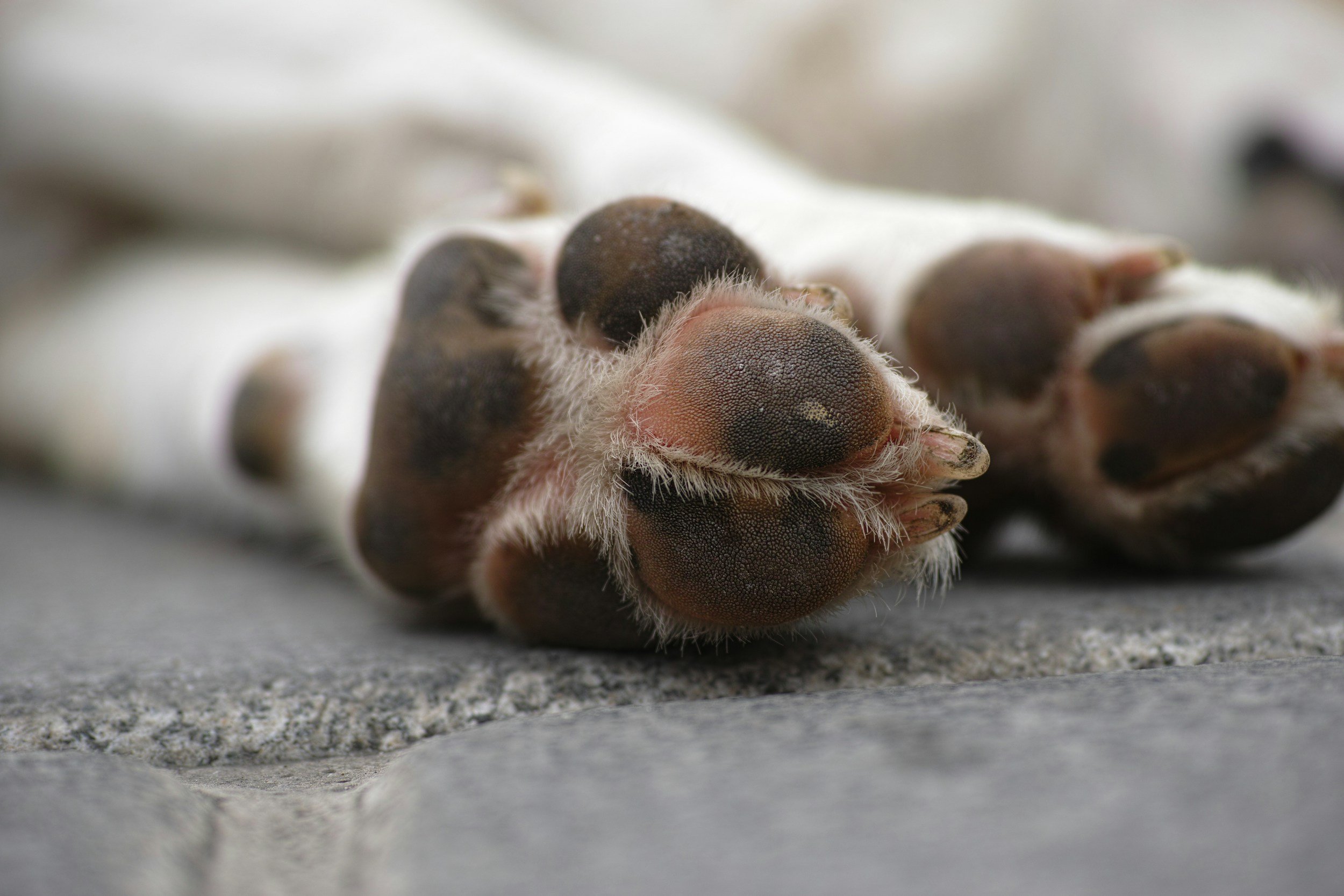
Understanding Your Dog’s Paw Pads
A dog’s paw pads are tough enough to handle everyday movement, but they are not indestructible. Paw pads contain fatty tissue and elastic fibers that cushion the dog’s feet against hard surfaces. They also help your dog maintain balance and protect the structures inside each dog’s foot.
Even though canine paws are naturally durable, hot ground, rough surfaces, ice, road salt, and foreign objects can cause irritation or injury. Dogs that participate in frequent outdoor activities may need additional protection and more regular inspections.
Get into the habit of examining your pet’s paws on a regular basis. Look between the toes, around the nails, and across each flat surface of the pads. Watch for redness, cracks, swelling, splinters, ice balls, bits of glass, or anything else that looks unusual.
Clean Your Dog’s Paws When Needed
Regular paw cleaning does not mean wiping your dog’s feet every time they step outside. If your dog walks across clean, dry ground and their paws look fine, there is usually no reason to clean them. Instead, check your dog’s paws and clean them when they are muddy, visibly dirty, or exposed to something that could cause irritation.
A damp cloth and a little warm water are usually enough to remove mud, dust, pollen, or other debris. During winter, clean the paws after contact with road salt or de-icing chemicals, since these substances may irritate your dog’s paw pads and can be harmful if your dog licks them. In warmer months, check between the toes for grass seeds, burrs, bits of glass, and other foreign objects—especially after hiking or exploring rough areas.
When cleaning is necessary, gently wipe the tops and bottoms of the paws and between the toes. Dry them afterward, particularly between the toes, so moisture does not remain trapped against the skin.
Avoid harsh chemicals and heavily fragranced household wipes. Paw care should be practical: inspect your dog’s feet, clean them when they are actually dirty, and leave perfectly clean paws alone.
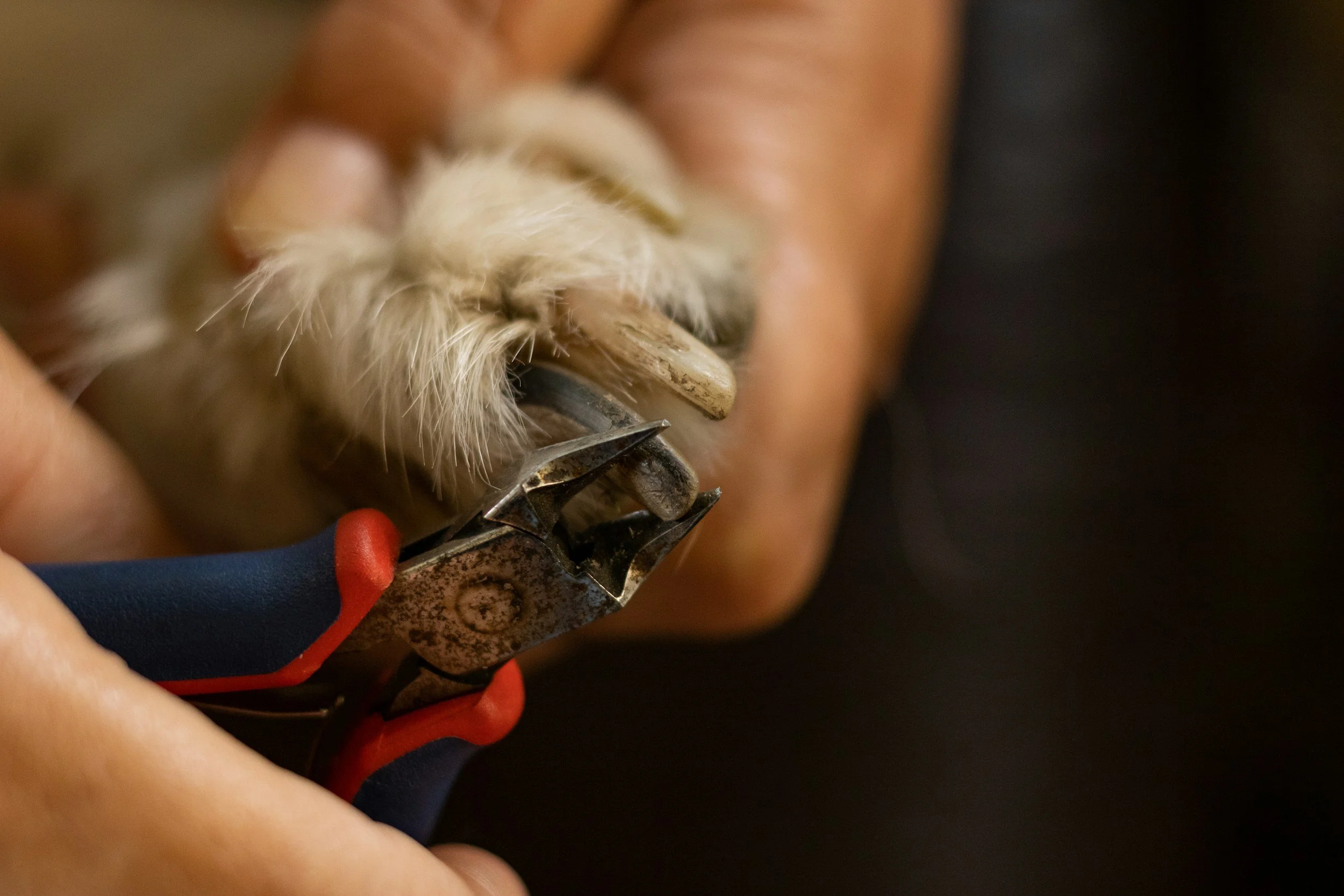
Keep Your Dog’s Nails Trimmed
Nail care affects more than appearance. When dog’s nails become too long, they may change how the dog’s foot meets the ground. Long nails can make walking uncomfortable, reduce traction, and place extra pressure on the toes and joints.
How frequently your dog needs nail trims depends on activity level and walking surfaces. Dogs that regularly walk on concrete may wear their nails down faster than dogs that spend most of their time on grass or carpet.
A useful visual check is to have your dog stand naturally on a flat surface. If the nails touch the ground, curve sideways, or cause the toes to spread, it is probably time for a trim. Clicking against the floor is another common sign.
If you are uncomfortable clipping your dog’s nails—or your dog becomes fearful during handling—schedule an appointment with a professional groomer or veterinarian. You can also gradually teach your dog to accept paw handling through short sessions, gentle massage, treats, and praise.
Nail trimming can feel intimidating at first, especially if your dog dislikes having their feet handled or you are worried about cutting the quick. The good news is that nail care can become much easier with gradual handling practice, the right tools, and a calm approach.
For a complete step-by-step guide—including how to identify the quick, introduce nail clippers or a grinder, and help a nervous dog feel more comfortable—read [How to Trim Your Dog’s Nails at Home].
Protect Dog Paws From Hot Pavement
Hot pavement can burn a dog’s paw pads surprisingly quickly. Asphalt, concrete, and other hard surfaces may become much hotter than the surrounding air.
Before walking, place the back of your hand against the pavement for several seconds. If it feels too hot to comfortably hold your hand there, it is too hot for your pup’s paws.
During warm weather, walk early in the morning or later in the evening. Choose grass or shaded paths whenever possible, and avoid forcing your dog to stand on hot ground. Dog booties can be a great option for added protection, but they need to fit properly and should be introduced gradually.
After a summer walk, check for redness, tenderness, peeling skin, or blisters. A dog that suddenly limps, refuses to walk, or repeatedly licks an injured paw should be evaluated by a veterinarian.
Protect Dogs’ Paws During Cold Weather
Cold weather creates a different set of challenges. Snow and ice can collect between the toes, while de-icing chemicals may dry or irritate dogs’ paw pads. Extended exposure to severe cold also increases the risk of frostbite.
Trim excess fur around the feet if it collects snow, but do not cut too close to the skin. A professional groomer can help if your dog moves frequently or you are unsure how much hair to remove.
Dog booties provide one of the strongest breathable barriers between canine paws and ice, salt, or rough ground. If your dog will not tolerate boots, a dog-safe paw wax may be another great option. Products such as Musher’s Secret are designed to create a protective layer against environmental conditions. Apply only a thin layer according to the product directions and wipe the paws clean after returning inside.
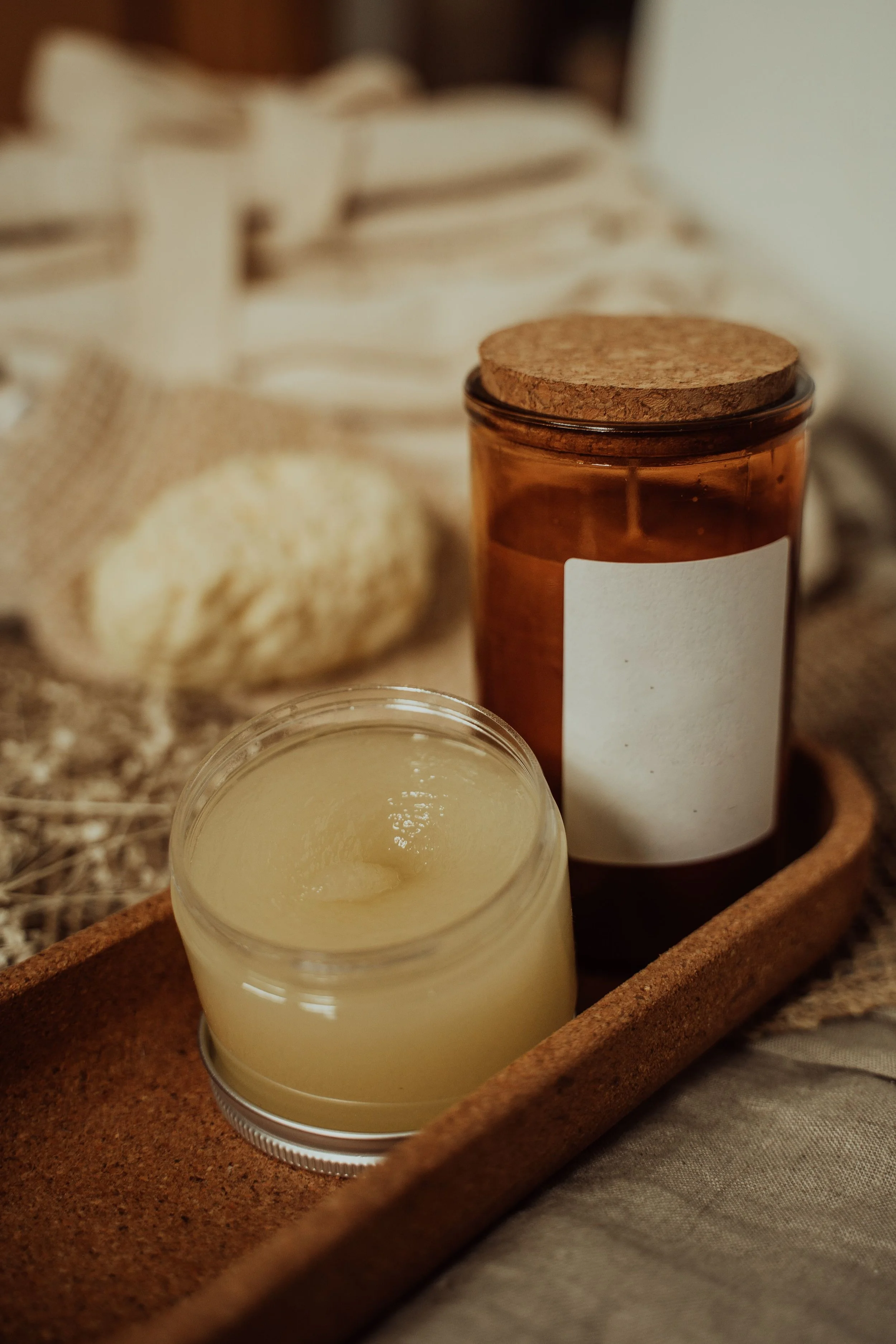
Choosing the Best Dog Paw Balm
The best dog paw balm is made specifically for pets, has clearly labeled ingredients, and is safe if a small amount is licked. Paw balm may help protect dry paw pads and create a barrier before your dog encounters snow, salt, or dry terrain.
Many homemade balm recipes use natural ingredients such as olive oil, coconut oil, vegetable oils, beeswax, shea butter, or vitamin E. However, “natural” does not automatically mean appropriate for every dog. Dogs lick their feet, and some oils can cause stomach upset when swallowed or worsen certain skin conditions.
Rather than applying olive oil or coconut oil directly to irritated skin, choose a veterinarian-approved paw balm formulated for dogs. Speak with your veterinarian before using a homemade mixture, especially if your dog has allergies, digestive problems, recurring skin irritation, or open cracks.
A balm is not a treatment for a deeper medical issue. Persistent dry paws may be connected to allergies, irritation, infection, or another health condition.
The right paw balm can be useful for dry paw pads and protection from extreme weather, but not every balm is made with the same ingredients or for the same purpose. Before choosing one, consider whether your dog needs everyday moisture, a protective paw wax for outdoor activities, or help with seasonal dryness.
For a closer look at safe ingredients, products such as Musher’s Secret, and when paw balm should—and should not—be used, read [How to Choose and Use Paw Balm for Dogs].
What to Do for a Minor Cut or Paw Abrasion
Mild paw abrasions can occur after running over rough surfaces. If you notice a minor cut, first keep your dog calm and inspect the area carefully.
Rinse the paw with clean lukewarm water or sterile saline to remove surface debris. If you see a shallow object that can be lifted away easily, remove it gently. Do not dig into the pad for deeply embedded bits of glass, thorns, or other foreign objects. These should be handled by a veterinarian.
Use clean gauze to apply steady pressure if there is minor bleeding. A clean, light bandage may protect the area temporarily while you contact your veterinary clinic, but it should never be wrapped tightly. Avoid hydrogen peroxide, alcohol, essential oils, human antibacterial cream, and other first-aid products unless your veterinarian tells you to use them.
Paw pad wounds often reopen because dogs must walk on them. Deeper cuts, continued bleeding, separated wound edges, burns, broken nails, or an injured paw that prevents normal walking require professional care.
Why Does My Dog Lick Their Paws?
An occasional dog lick after being outside may simply be part of normal grooming. Repeated or intense licking, however, can signal a bigger issue.
Common causes include:
Environmental or food allergies
A splinter, burr, or other foreign object
Irritation from road salt or de-icing chemicals
Dry or cracked pads
A minor cut or burn
A bacterial or yeast infection
Pain affecting the foot, leg, or joints
Check the entire paw if your dog begins licking suddenly. Look between the toes and around every nail. If the licking continues, the area smells unusual, or the skin appears red and swollen, contact your veterinarian rather than repeatedly applying home remedies.
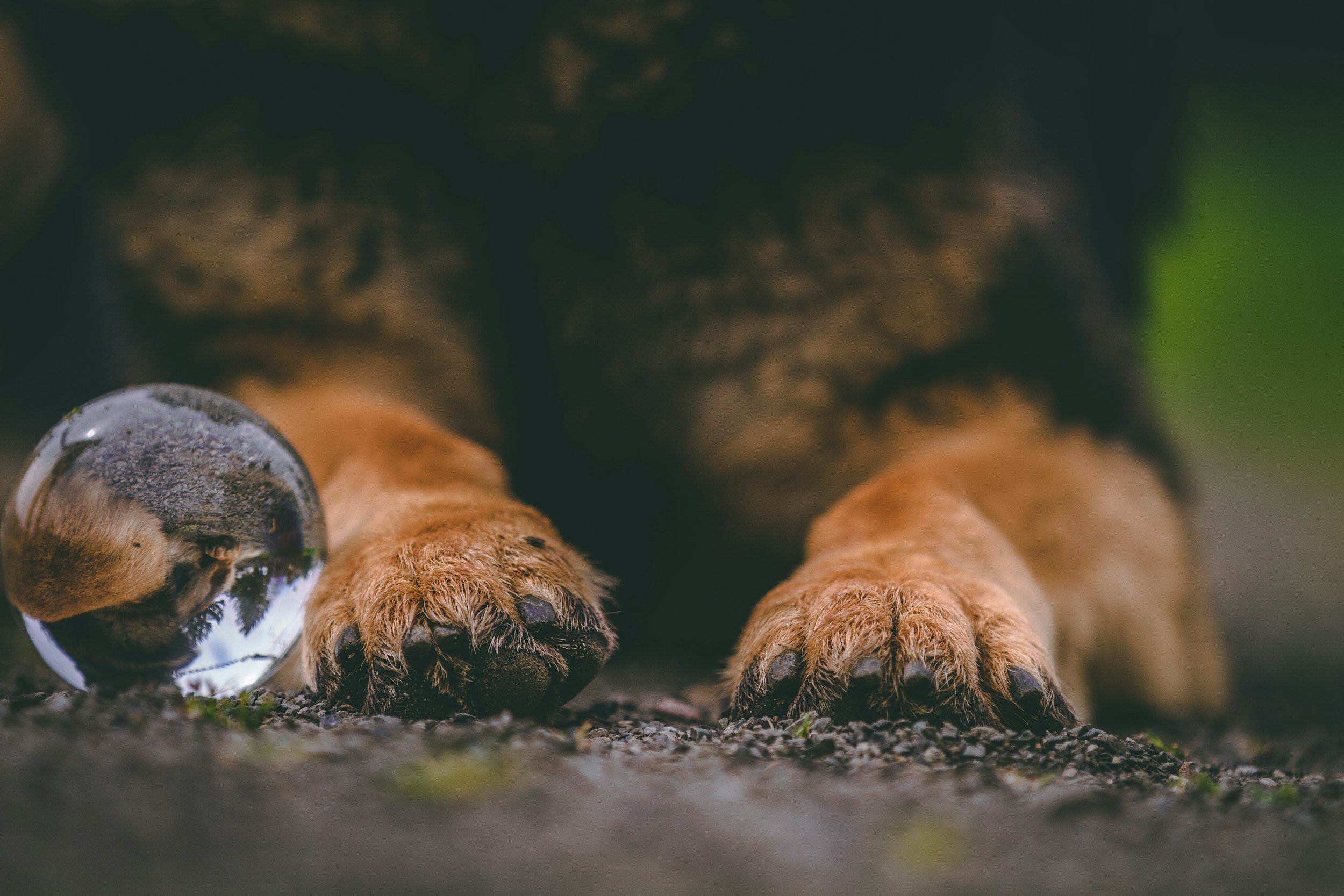
Signs of Infection or a More Serious Injury
At-home paw care is intended for prevention and very mild irritation—not serious wounds. Contact your veterinarian when you notice:
Persistent limping or refusal to use the paw
Deep or heavily bleeding cuts
Swelling, heat, pus, or a strong odor
Spreading redness
Blisters, peeling pads, or suspected burns
A deeply embedded foreign object
A torn or broken nail
Repeated chewing or licking
Discoloration following exposure to extreme cold
A wound that is not improving
Early treatment can prevent a small paw problem from becoming a painful infection.
Make Paw Care Part of Your Routine
Taking care of your dog’s paws does not require an elaborate grooming routine. Wipe dirty feet with a damp cloth, inspect between the toes, keep the nails at a comfortable length, and use protective measures when the weather or terrain demands them.
Most importantly, become familiar with what healthy paws normally look and feel like for your dog. When paw checks are part of everyday handling, you are more likely to find dry skin, long nails, or a minor injury before it develops into something more serious.
Those few minutes of regular care can keep your furry friend comfortable, confident, and ready for your next walk together.
Check Out These Dog Posts Next
Keeping your dog healthy goes beyond paw care. These posts offer more practical ways to support your dog’s behavior, confidence, and overall well-being:
Daily Routines: How Structure Helps Dogs Thrive
Learn how predictable routines, clear expectations, and everyday structure help dogs feel secure and behave more calmly.
Mental Stimulation vs. Exercise: What Dogs Really Need
Physical exercise is important, but dogs also need opportunities to think, explore, and solve problems. This guide explains how to provide a healthy balance.
How to Create a Calm Home Environment for Your Dog
Discover simple changes that can help reduce stress and create a more comfortable, peaceful home for your dog.
6 Common Dog Training Errors and How to Fix Them
From inconsistent rules to repeating cues, learn which common mistakes may be slowing down your dog’s progress—and what to do differently.