You want a little green in your home. You do not want another responsibility you can accidentally kill. Whether you are eyeing your first houseplant or standing over one wondering what happens next, start here.
You need the right plant, a pot that drains, suitable light, and a watering routine based on what your plant actually needs. This guide walks you through each decision, from choosing your first plant to recognizing trouble.
I learned some of this the expensive way. After keeping one plant alive, I bought a $150 Swiss cheese Monstera. Naturally.
I drowned her. Then I dried her out. Then I kept trying to fix her while she kept declining. We were not thriving.
The good news? Your introduction to indoor plants can cost considerably less, financially and emotionally.
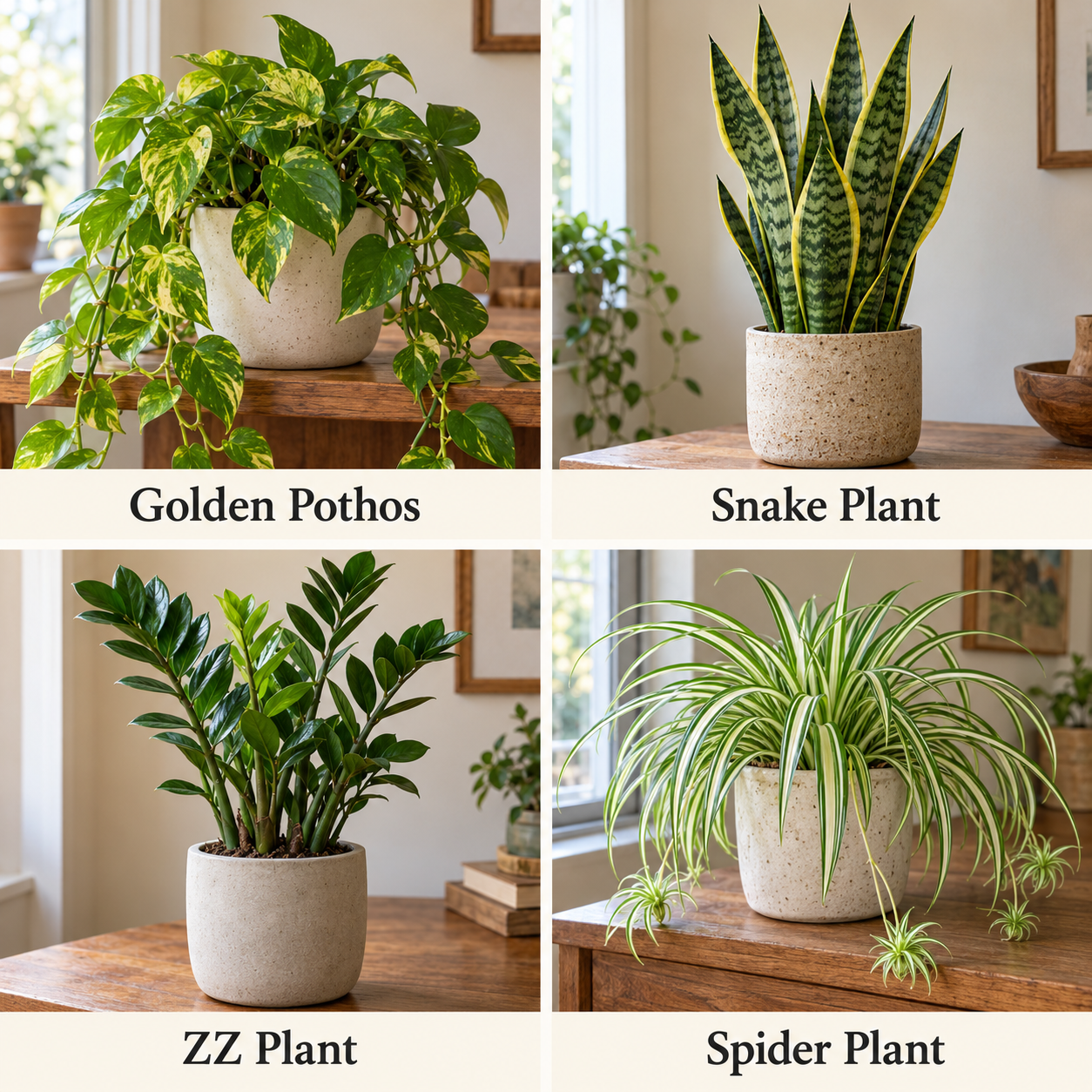
Choose Your First Houseplant From These Four
Your first step is choosing a location. Check its natural light and whether pets can reach it. Then choose one small plant from this list:
Golden pothos: my first choice for a beginner without pet access. Choose this trailing plant for bright indirect light and visible growth. Water when the top inch or two of mix dries. It tolerates missed perfection while you learn.
Snake plants: choose these if you forget to water. Give them indirect light and let the mix dry throughout before watering. They tolerate low light, but grow better with brighter exposure.
ZZ plants: choose these for a dimmer room with a window. Their upright, glossy foliage suits smaller spaces. Let the mix dry between thorough waterings; their stored water helps them handle a forgetful owner.
Spider plants: my first choice for a home with cats or dogs. Give them bright indirect light and water when the top inch dries. They are nontoxic to cats and dogs, although chewing any plant can upset a pet’s stomach. Keep foliage protected.
Pothos, snake plants, and ZZ plants are toxic if pets chew them. If you cannot prevent access, choose the spider plant.
My marble queen pothos has mothered several house plants I have gifted or keep around my home. She is my reminder that dependable plants can be beautiful, too.
Choose these popular houseplants first. Save African violets, air plants, and impulse purchases with unfamiliar requirements for later. Master one type of plant before collecting different plants with different routines.
Easy-Care Houseplants for Beginners -->
Understand Light Before Choosing a Pretty Corner
Choose your living room plant’s location for light before looks.
Direct sunlight means sunlight reaches the leaves in an unobstructed beam, including through clear window glass. Picture a sunny patch with a distinct shadow. Indirect light reaches the plant after being scattered, filtered, or reflected rather than striking it in that direct beam.
Bright indirect light means plenty of illumination without prolonged, strong sun on the leaves. Sheer curtains can soften direct exposure, though their thickness matters. Moderate light is less intense, and low light describes dimmer growing conditions. None of these labels means a windowless corner automatically works.
For homes in the Northern Hemisphere, including mine in Wyoming, window direction offers a useful starting point:
South-facing windows generally provide the strongest, longest sun exposure, especially in winter.
North-facing windows usually provide gentler light with little direct sun.
East-facing windows typically offer morning sun, which is often less intense than afternoon exposure.
West-facing windows commonly receive strong afternoon sun and heat.
Buildings, trees, seasons, and distance from the glass change those light conditions. Watch the actual spot throughout the day instead of trusting direction alone.
Low-light plants tolerate less light; they do not live without it. Too little light can mean slow plant growth and stretched stems. Too much light, especially after a sudden move, can scorch leaves.
Match light needs to the location. Aloe vera needs bright light and more direct sun than many tropical houseplants, while peace lilies tolerate lower light but usually flower better with brighter indirect exposure. A bright window is not automatically full sun all day. If you cannot provide the right amount of light, suitable artificial light from a grow light can help. Follow its distance and timing guidance.
Water the Plant, Not Your Calendar
One of the most common mistakes is watering every plant every Saturday because Saturday is watering day. Checking every Saturday? A good idea. Automatically pouring? That is where trouble begins.
How much water and how often depend on the plant, potting mix, container, temperature, and light levels. Many leafy tropical plants appreciate partial drying between waterings. Snake plants and other drought tolerant choices generally need more drying. Use the starter watering instructions above, then check the mix before each watering.
Push a finger into the mix and lift the pot to learn its weight. Dry soil feels different, and a watered pot usually feels heavier. Surface dryness alone does not tell you whether the root zone is still wet.
When watering is needed, moisten the mix thoroughly and let excess water drain away. Constant little splashes may fail to reach the whole root ball. Giving enough water at one watering is different from watering too frequently.
Soggy soil limits oxygen around plant roots and can encourage root rot. Wilted leaves do not always mean thirst: roots damaged by excess moisture can also struggle to supply water. Check before adding more.
Tap water works for many plants, but water quality and sensitivity vary. If mineral buildup or recurring leaf damage becomes an issue, investigate your water and the species; distilled water may help sensitive plants. Avoid assuming every brown tip means thirst.
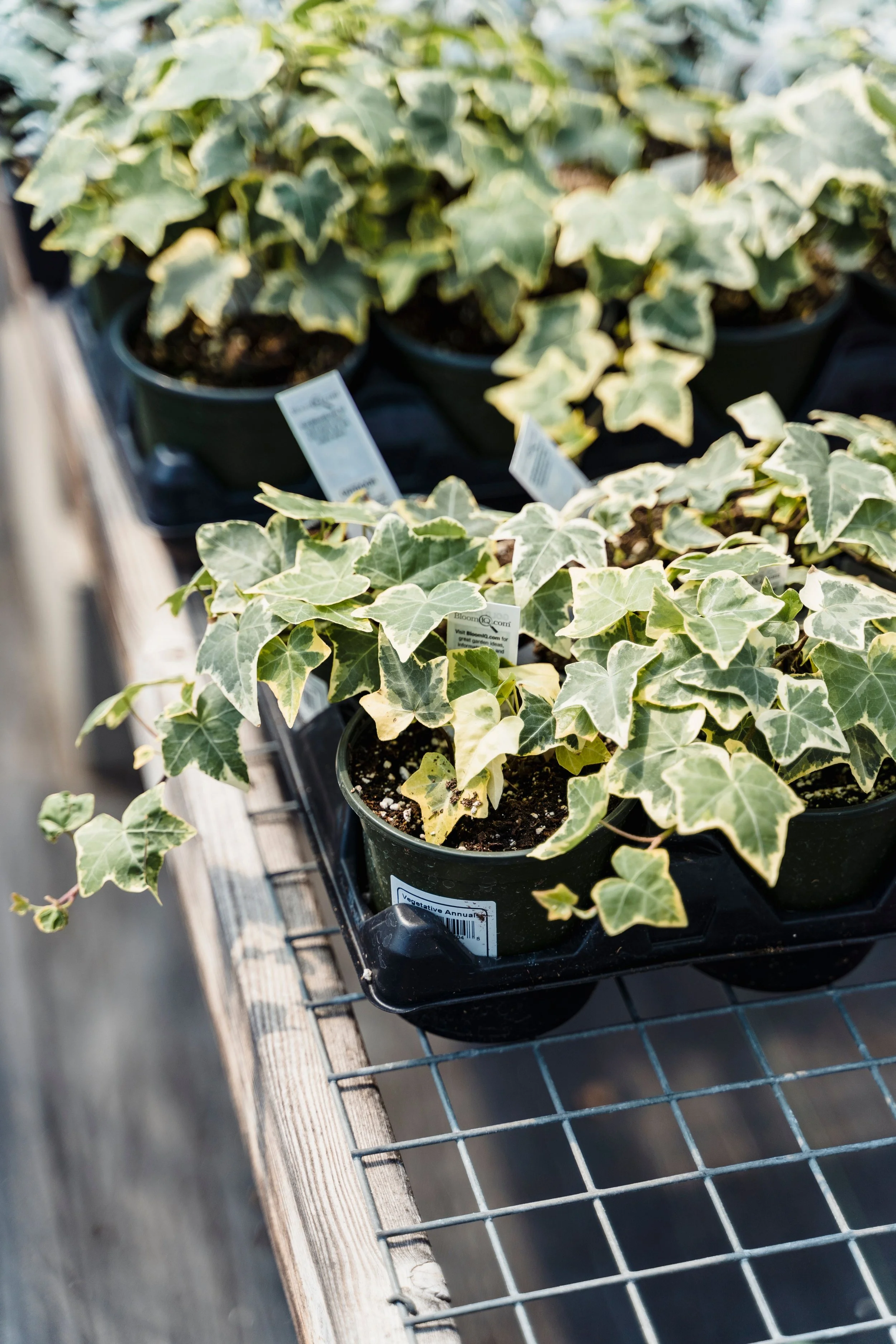
My Favorite Setup: A Nursery Pot Inside a Decorative Pot
I prefer keeping the plant in a plastic nursery pot, then placing that inside a decorative container. Pretty outside, practical inside. This is one plant habit I happily recommend.
Drainage holes allow water to leave the growing container. With a removable nursery pot, I can water at the sink, let everything drain, and return the plant to its prettier home. Clear nursery pots also let me check visible roots without repeatedly disturbing the plant.
This arrangement can make bottom watering convenient. Add water to the outer container, let the mix absorb it through the holes, then remove the nursery pot and drain it. Empty any remaining water before putting everything back together. Check that moisture has actually reached the root zone.
This is bottom watering, not automatic self watering. Do not leave the bottom of the pot standing in water.
Plastic pots retain moisture longer than porous terracotta, so adjust accordingly. Choose a decorative cover with enough room to remove the insert easily, without blocking drainage. Choose the right pot for drainage and easy handling.
Choose Suitable Soil and Repot When Needed
Good drainage depends on both the container and what fills it. For pothos and spider plants, start with a quality indoor potting mix that drains freely. For snake plants and ZZ plants, choose a porous cactus and succulent mix. Leave heavy garden soil intended for outdoor plants outside.
Do not add rocks beneath the soil to fix a container without holes.
Repot when roots densely circle the container and leave little room for mix. One root poking through a hole does not automatically mean an emergency.
Choose a new pot roughly one to two inches wider than the current one for most ordinary houseplants. A much bigger pot holds extra mix that may stay damp longer than the roots can use.
Support the plant, gently remove the nursery container, and loosen tightly circling roots as needed. Repot at the same planting depth with suitable fresh mix. Early spring or another period of active growth is often convenient. Address serious drainage or root problems when they arise rather than waiting for a season.
Remember Where You Live
A tropical plant’s native habitat and your heated house may have very different environmental conditions. Living in Wyoming, I cannot assume my indoor air resembles a rainforest simply because I bought rainforest foliage.
Many tropical plants appreciate higher humidity, but high humidity is not a substitute for appropriate watering. Air moisture and soil moisture are separate things.
Keep plants away from heating vents, cold drafts, and leaves touching freezing window glass. A small humidity gauge can help you understand your space. If needed, a clean humidifier generally offers more control than occasional misting. Pebble trays have limited effects and should not leave pots standing in water.
During winter months, reduced daylight often slows growth and water use. Heating can also dry a room, so check conditions instead of applying a blanket rule. Healthy plants need adjustments based on what is actually happening in your home.
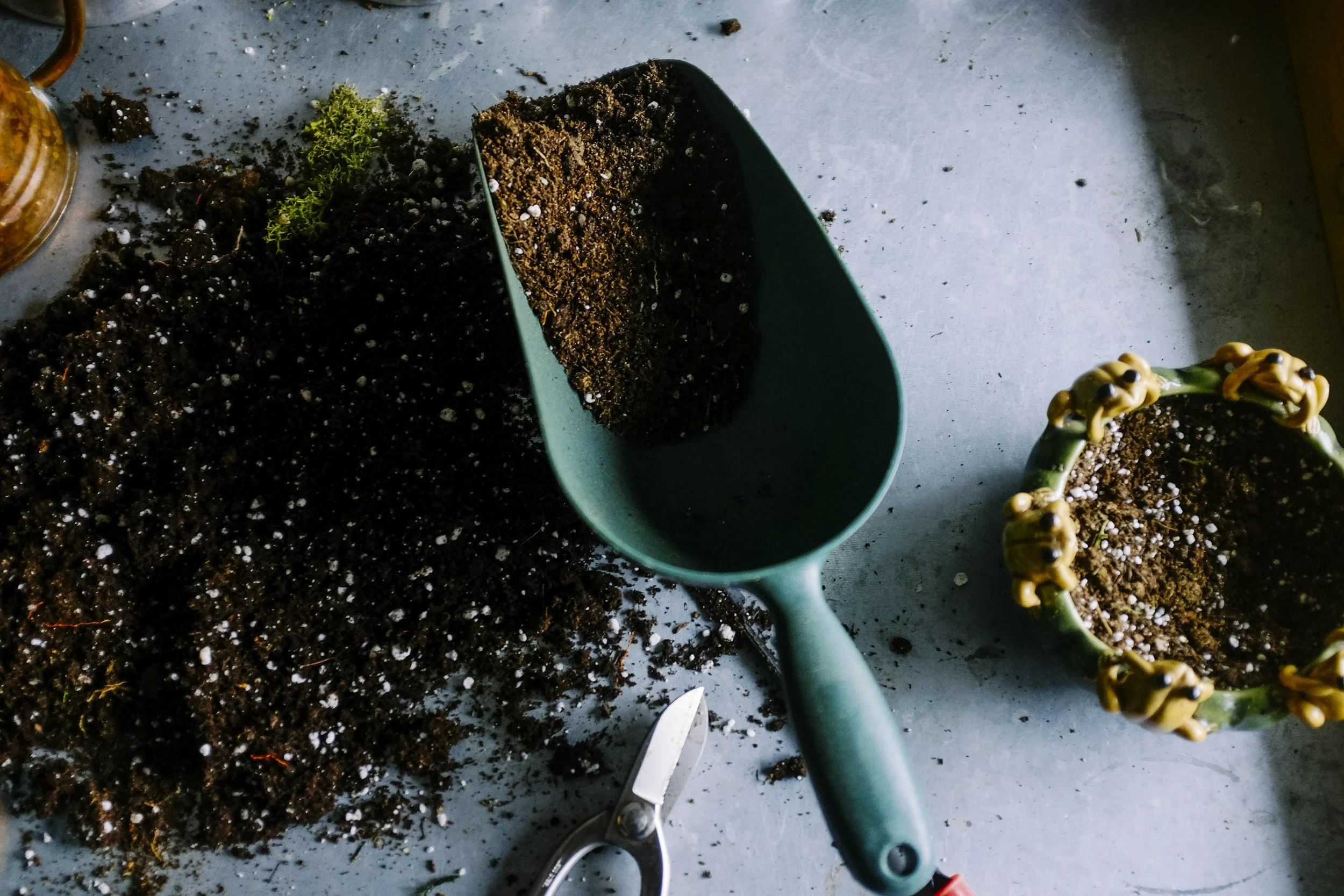
Fertilizer Helps Growth, but It Cannot Fix Everything
Before feeding a struggling plant, check moisture, pests, roots, and good light. Fertilizer cannot fix poor growing conditions.
During the growing season, a balanced fertilizer labeled for your plant can support healthy growth. Follow directions for dilution and frequency, and check whether fresh potting mix already contains nutrients.
Too much fertilizer can damage roots and cause salt buildup. Reduce or pause feeding when growth slows; plants actively growing under lights may follow a different schedule. New growth is useful context, not permission to double the dose.
Catch Common Houseplant Pests Before They Spread
Inspect new plants before buying, then keep them separate from your collection for at least three weeks while monitoring. Check leaf undersides, stems, and the soil surface.
Common houseplant pests include spider mites, mealybugs, scale, and fungus gnats. Fine webbing and speckled foliage can indicate mites. Cottony clusters suggest mealybugs. Small flies near constantly damp mix deserve a closer look.
Wipe suitable smooth leaves with a damp cloth while inspecting. Keep fuzzy foliage, including African violet leaves, out of that routine.
Isolate an affected plant and identify the pest before treating. Rinsing foliage can reduce some infestations. Insecticidal soap or neem oil may be options when labeled for the pest, plant, and indoor use. Follow directions and test a small area first. Rubbing alcohol can damage foliage; do not make it an all purpose spray.
For gnats, address overly wet growing conditions. Sticky traps catch adults but do not solve larvae living in the mix. Recheck regularly; one treatment rarely ends every pest’s life cycle.
Read the Warning Signs Before Reaching for Water
A yellow leaf is a clue, not a diagnosis. If several leaves yellow and the mix stays wet, check drainage and roots. Firm roots are reassuring; mushy roots and a rotten smell call for action. Remove rotted roots with clean scissors, repot in fresh suitable mix, and correct the watering problem.
Crispy edges with dry soil suggest checking for too little water. Bleached patches after a move toward the window suggest sun damage. Long, stretched stems point toward insufficient light. Check moisture and placement before adding fertilizer or changing everything at once.
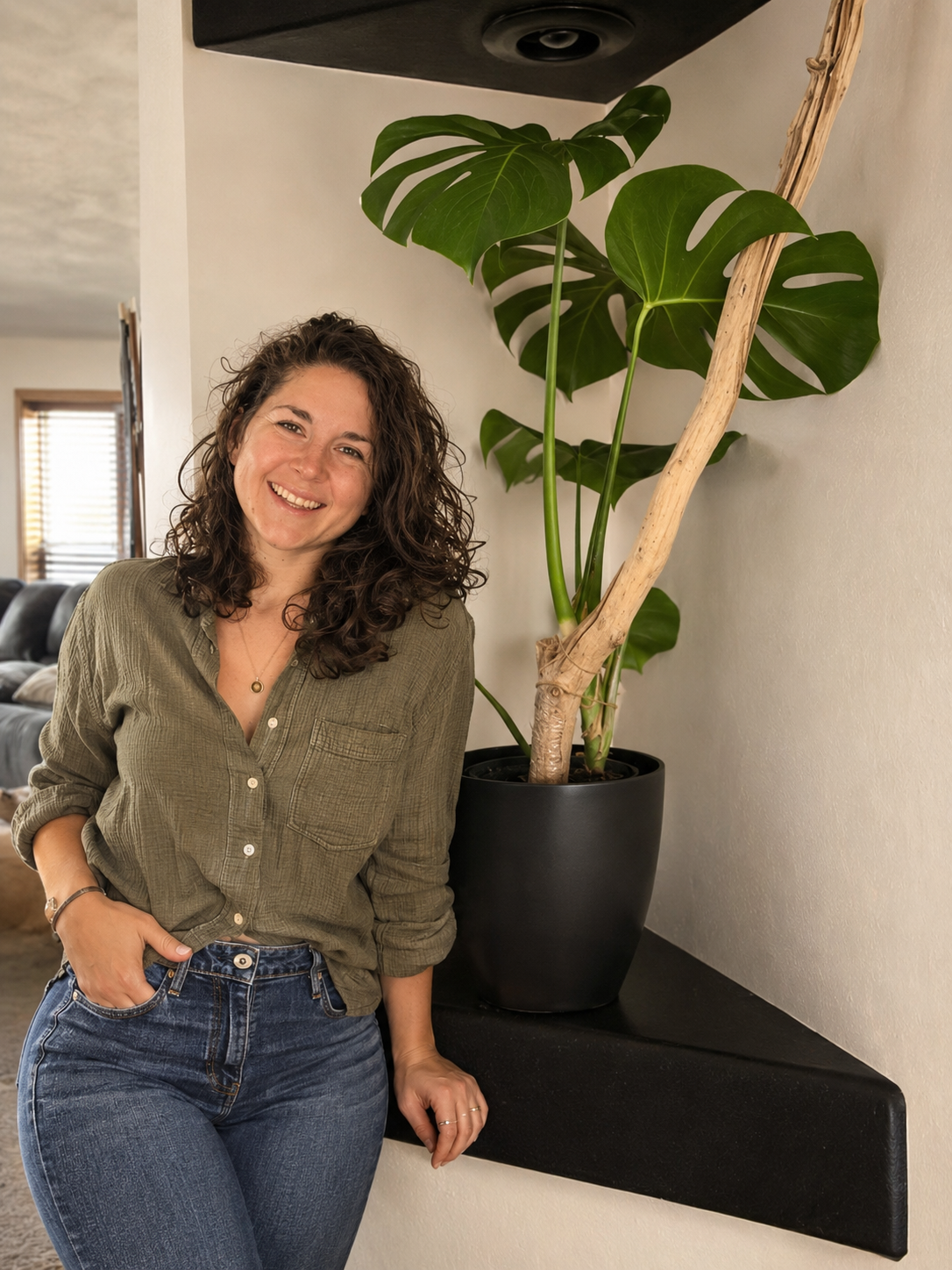
My Survivor Monstera and the Pet Lesson
After my expensive failure, a friend gifted me a baby Monstera from her beautiful plant. This little one has earned her survivor title.
First, I overwatered her and watched her yellow. Once she was recovering, my cat Nala decided one of her two leaves looked like a snack. Nala got sick and has left that plant alone since.
Keep in mind: Monstera is toxic to cats and dogs. Do not rely on a pet avoiding it next time. Prevent access, or keep an eye out to see if your pet chooses to avoid them. Contact your veterinarian promptly if chewing is suspected. It is possible to have house plants and pets in the same household, depending on the personality of your pet, you may have to get creative with your plant placement. Always research each house plant you purchase so you know if it is toxic to your pet, which many are.
Back to my Monstera, eventually, she produced a fresh leaf, oh I was so excited! But shortly after a few foster puppies yanked it off before I had the chance to move her. Back to one leaf we went.
Today, she has four beautiful leaves with fenestration, those characteristic splits and openings, and another emerging.
Keep Your Routine Simple
Check your new houseplant weekly: moisture, your plant’s leaves, pests, and new growth. The best way to learn is observation.
Good light, suitable soil, and thoughtful watering are a great way to begin. Finding the right balance takes practice. Enjoy plants for their beauty rather than expecting a few pots to transform your home’s air quality.
Has another $150 Swiss cheese Monstera made it home? Absolutely not. Maybe my taste has changed. Maybe fear still has a vote. Moving on.
For now, my pothos family and surviving Monstera remind me that learning the care of plants does not require perfection. Start small, pay attention, and let experience earn your next purchase.
Check Out These Blogs
Once you’ve found a spot your houseplants love, you might start eyeing that empty windowsill. Here are three ways to keep growing, from a few herbs for dinner to seedlings for your spring garden.
How to Start a Kitchen Herb Garden for Beginners — Pick a few herbs you already cook with, find a sunny spot, and learn how to keep them growing so you can snip what you need for dinner.
2026 Best Hydroponic Systems to Grow Indoor Gardens — Curious about growing herbs and greens without soil? Compare indoor systems and see what I learned from using a Gardyn at home.
Starting Seeds Indoors in Wyoming: Winter Garden Tips — Give your spring garden a head start while it’s still cold outside. I’ll walk you through when to sow, what supplies you need, and how to care for your seedlings.