Ever run out of taco seasoning when the ground beef is already sizzling? You shake the jar again, hoping something else will come out. Nope. Now what?
Before you make a grocery run in your house shoes, take a look through your spice cabinet. You might already have everything you need to mix your own—and if you’ve been drying herbs from your garden, here’s their moment.
Making homemade seasoning blends means fewer extra jars to buy and more say over what goes into dinner. Want less salt? A little more garlic? Go for it. You can also leave out any additives you’d rather skip.
Let’s mix up five easy blends you’ll actually reach for: all-purpose, taco, Italian, poultry, and lemon pepper.
Homemade Seasoning Blends: Pick Your Recipe
Dinner already on the stove? Jump straight to the blend you need:
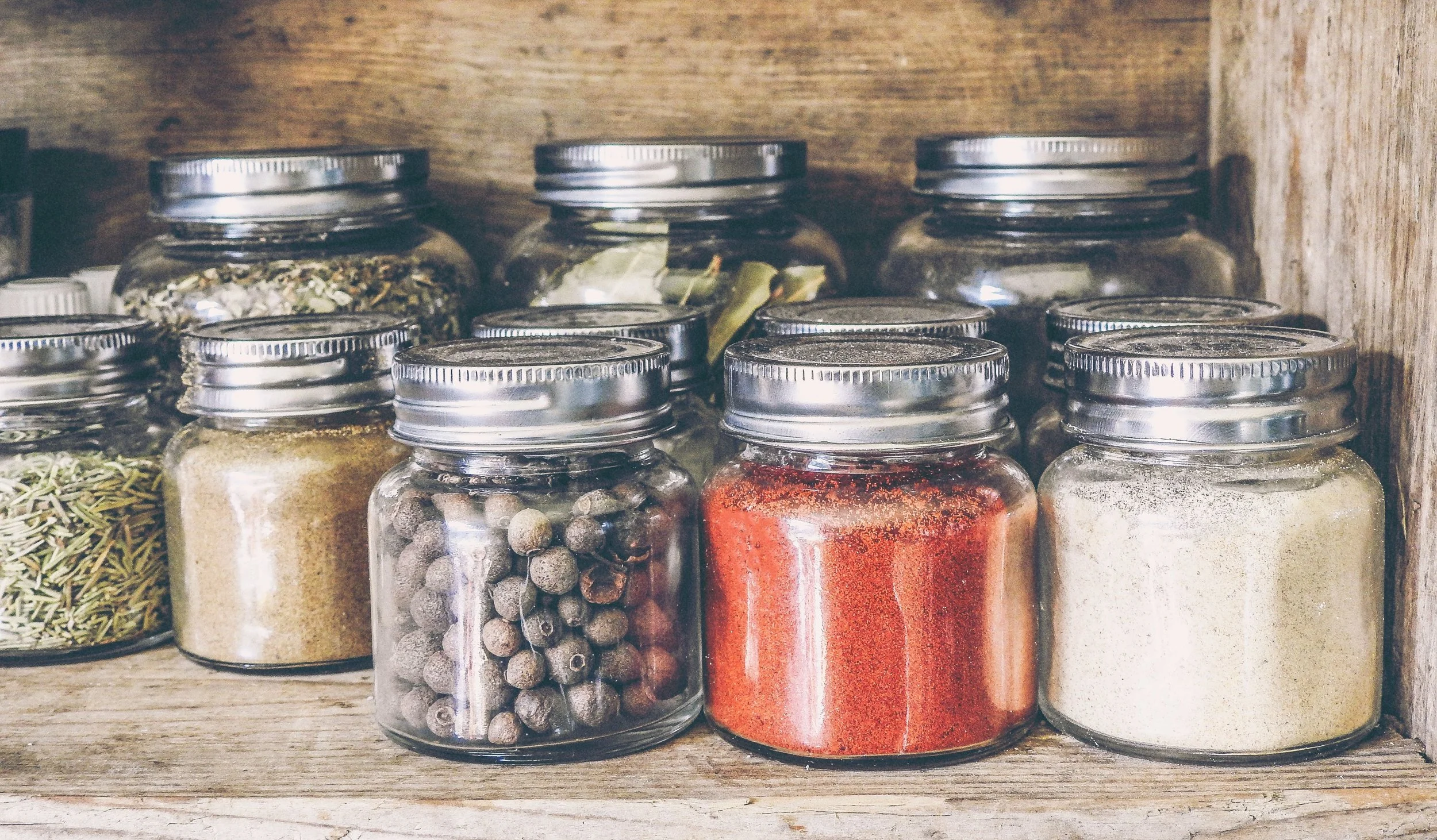
All-Purpose Seasoning
This is your “what does this need?” jar. Garlic, onion, paprika, and black pepper make a dependable mix for chicken breasts, pork chops, potatoes, and roasted vegetables. Mix it once, and it’s ready for several dinners—one less decision at five o’clock.
Ingredients
2 tablespoons garlic powder
2 tablespoons onion powder
2 tablespoons paprika
2 teaspoons ground black pepper
2 teaspoons dried thyme
Directions: Stir everything together in a dry bowl, breaking up any clumps. Transfer to a clean, completely dry spice jar or airtight container and label it.
Makes: Just under ½ cup (7 tablespoons plus 1 teaspoon). Use a jar with at least a 4-fluid-ounce capacity.
How to use it: Start with 2 teaspoons per pound of meat or vegetables. For roasting, toss vegetables with a little oil before adding the seasoning. This blend has no added salt, so salt your food separately to suit your taste.
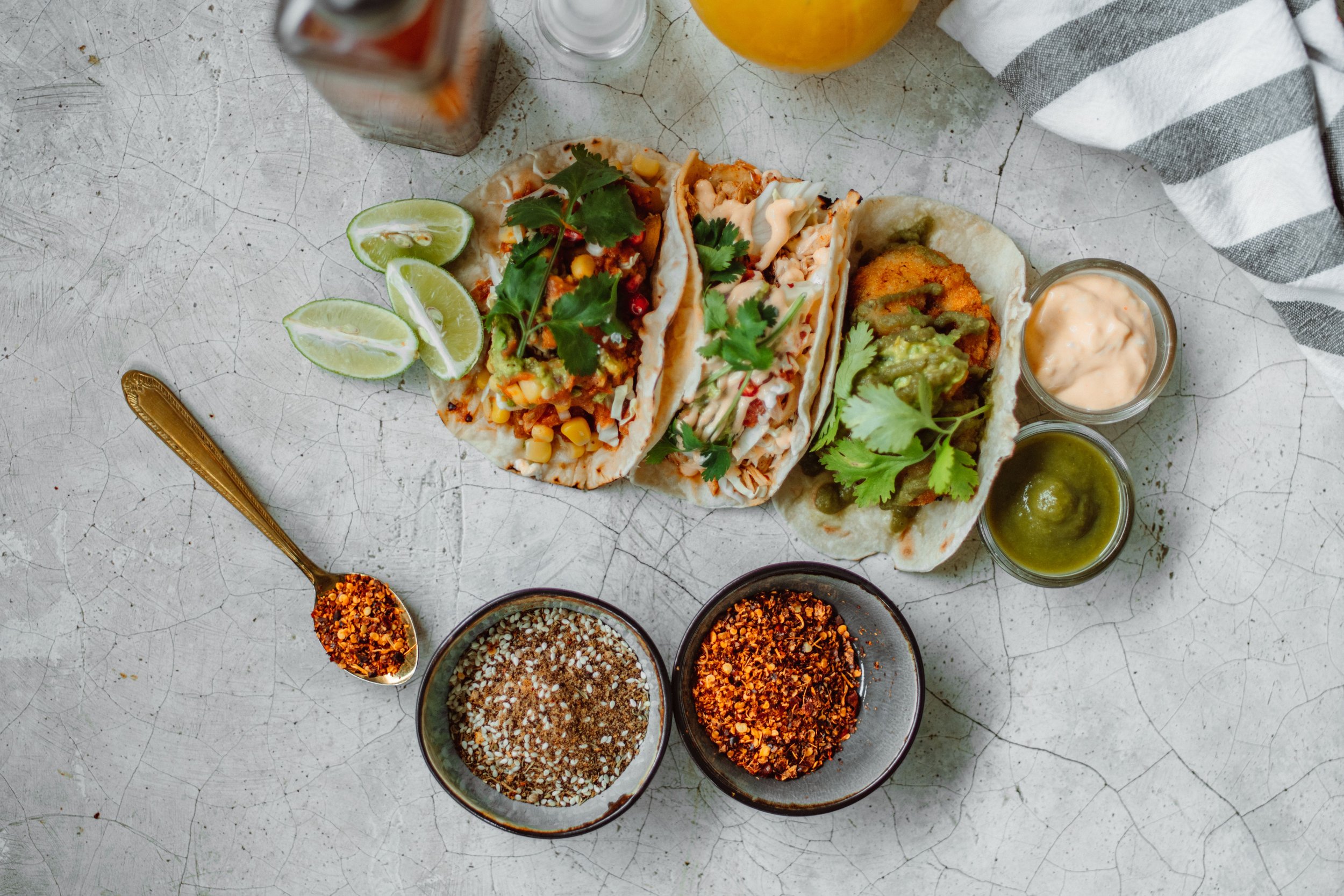
Homemade Taco Seasoning
Taco Tuesday doesn’t need its own little packet. Keep a jar of this homemade taco seasoning handy for ground beef, chicken, beans, or rice bowls. Like a little heat? Add the cayenne. Feeding someone who thinks black pepper is spicy? Leave it out.
Ingredients
3 tablespoons chili powder
2 tablespoons ground cumin
1 tablespoon paprika
2 teaspoons garlic powder
2 teaspoons onion powder
1 teaspoon dried oregano
1 teaspoon ground black pepper
¼ teaspoon cayenne pepper, optional
Directions: Mix everything in a dry bowl, breaking up any clumps. Transfer to a clean, completely dry spice jar or airtight container and label it.
Makes: About ½ cup, enough for four batches using 1 pound of meat each.
How to use it: Brown 1 pound of ground beef and drain excess fat as needed. Stir in 2 tablespoons of seasoning and ½ cup water. Simmer for 5–7 minutes, stirring occasionally, until the liquid reduces and coats the meat. Add salt to taste.
Check your chili powder: Use a mild American-style chili powder blend, rather than pure ground hot chile. Check its ingredient label for salt before adding more to your meal.
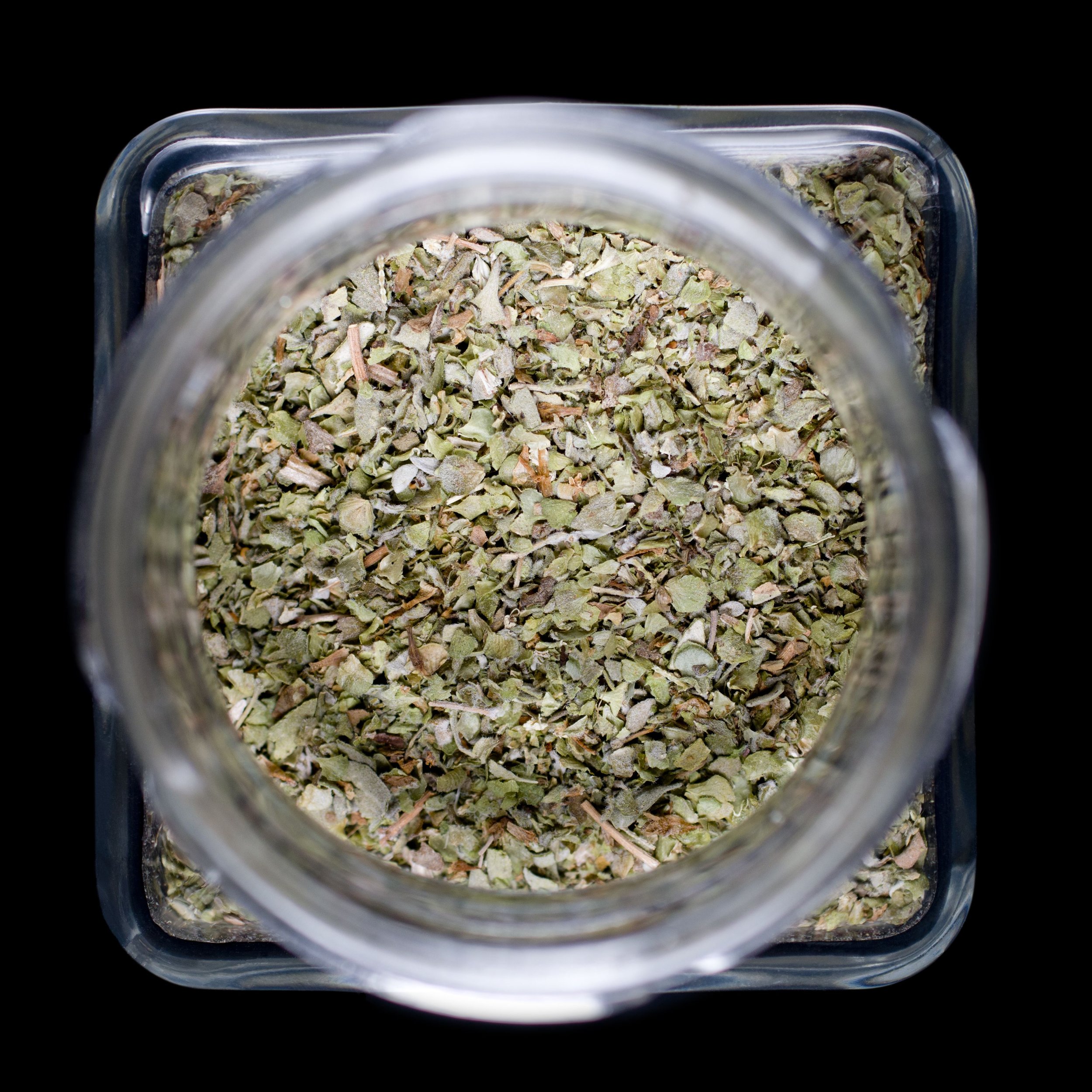
Homemade Italian Seasoning
Those herbs you dried from the garden? Time to put them to work. This Italian seasoning blend is an easy reach for pasta sauce, roasted vegetables, chicken, or a little olive oil for dipping bread. The bread may disappear before dinner. Consider yourself warned.
Ingredients
3 tablespoons dried oregano
2 tablespoons dried basil
1 tablespoon dried thyme
1 tablespoon dried rosemary
1 tablespoon dried marjoram
Directions: Lightly crush the rosemary between your fingers or with a mortar and pestle so you don’t get large, woody pieces. Stir all the herbs together in a dry bowl, then transfer to a clean, completely dry spice jar or airtight container.
Makes: About ½ cup.
How to use it: Start with 1–2 teaspoons per pound of chicken or vegetables, or 2 teaspoons per 24 ounces of tomato sauce. For a quick marinade, stir 2 teaspoons into 2 tablespoons olive oil and 1 tablespoon lemon juice. This blend has no added salt, so season your food separately to taste.
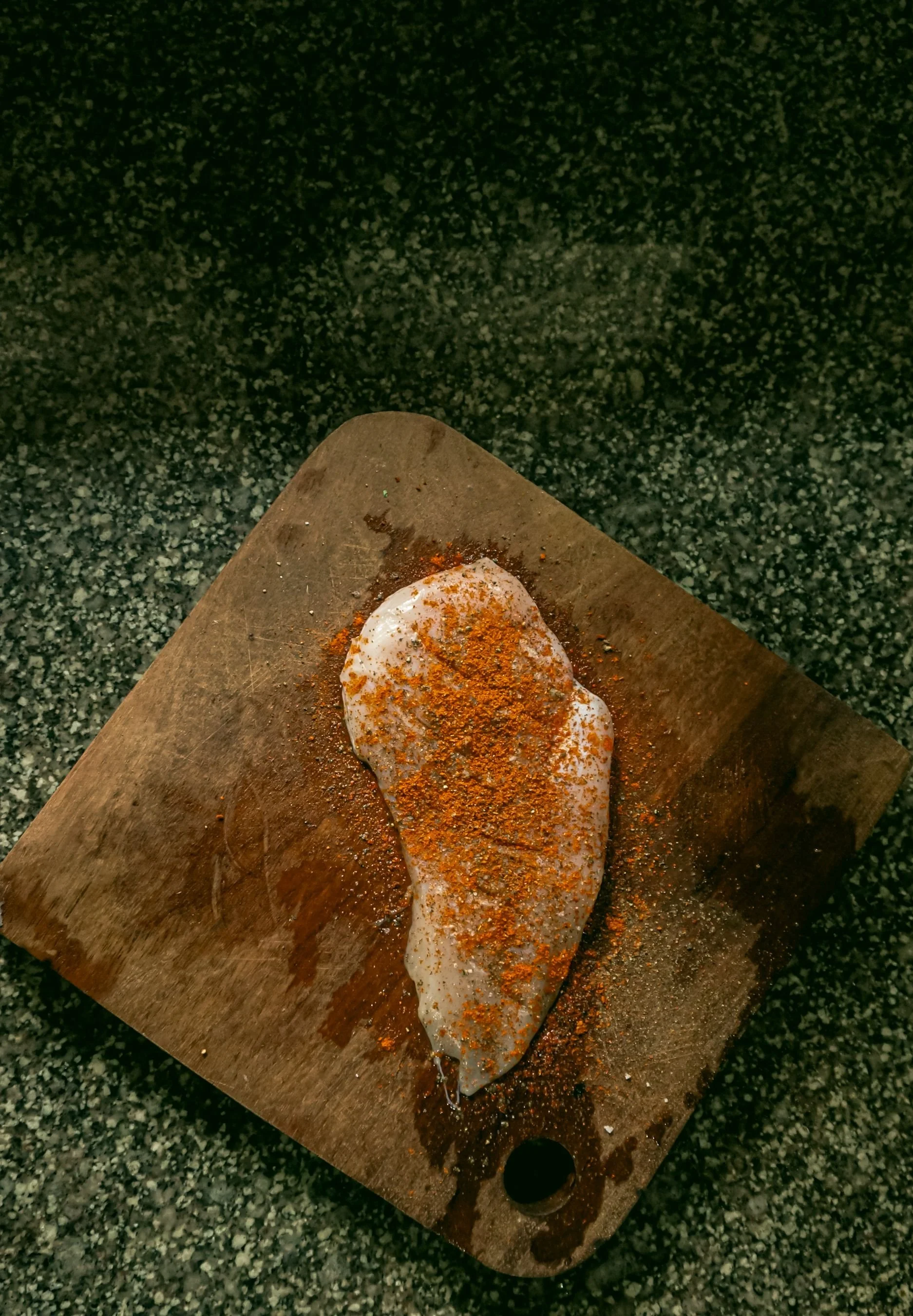
Homemade Poultry Seasoning
This is the jar that makes the kitchen smell like you’ve got something good planned. Sage, thyme, and rosemary bring that familiar roast-chicken flavor to weeknight dinners, stuffing, and soups. No need to wait for a holiday—or wrestle a whole turkey.
Ingredients
3 tablespoons dried rubbed sage
2 tablespoons dried thyme
1 tablespoon dried marjoram
1 tablespoon dried rosemary
2 teaspoons ground black pepper
1 teaspoon ground nutmeg
Directions: Crush the rosemary and any larger herb pieces with a mortar and pestle. Stir everything together in a dry bowl, then transfer to a clean, completely dry spice jar or airtight container. Use rubbed sage rather than the more concentrated ground sage for these measurements.
Makes: About ½ cup before crushing.
How to use it: Start with 1 teaspoon per pound of chicken or turkey, mixing it with a little oil before rubbing it over the meat. For soups or stuffing, start with ½ teaspoon and adjust to taste. Sage can take over the conversation, so give it a small introduction. Add salt separately.
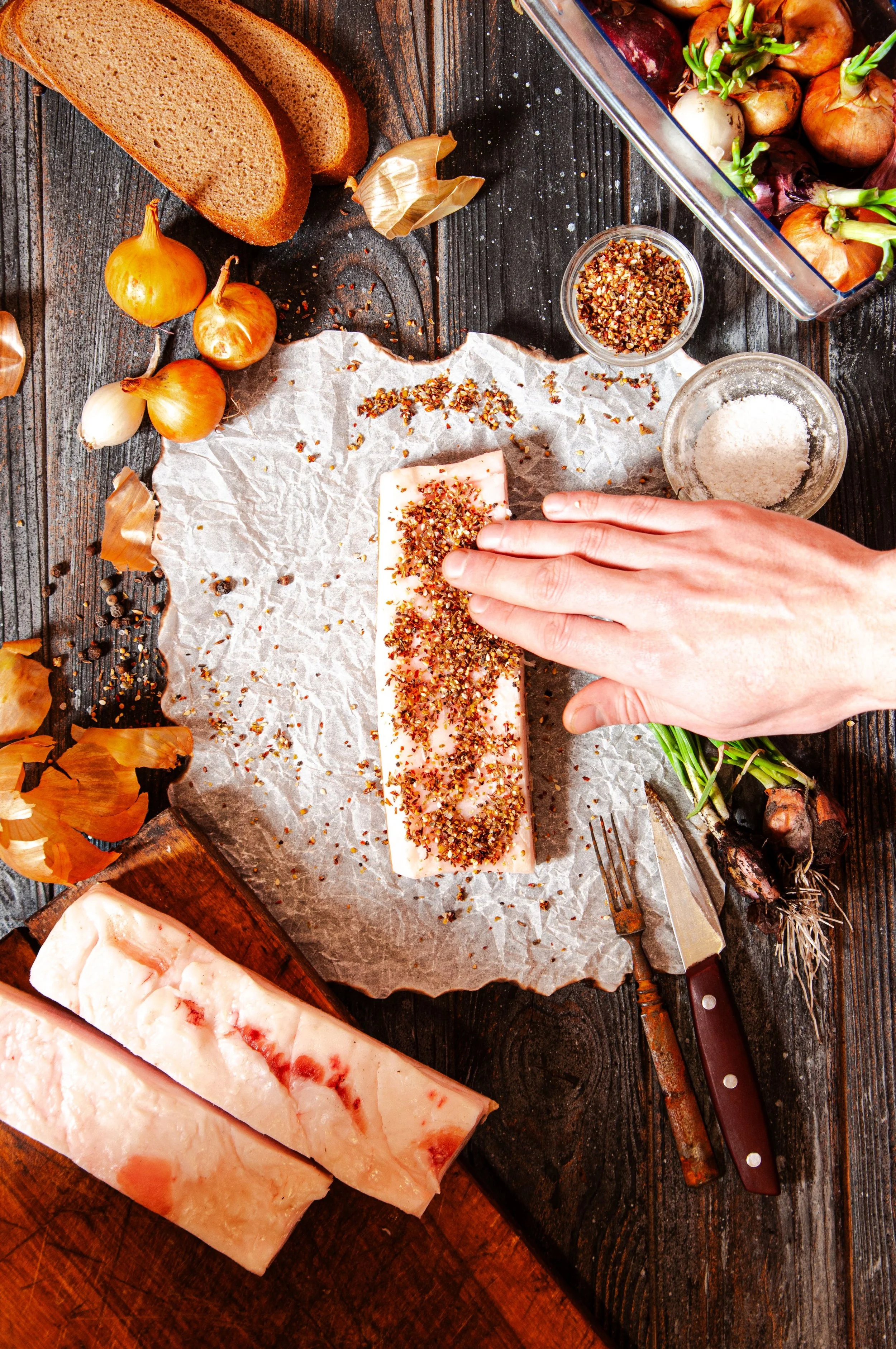
Homemade Pork Seasoning
Pork chops need a little help sometimes. This blend brings garlic, smoky paprika, and a touch of brown sugar to chops, tenderloin, or a pork roast. You handle the cooking; this jar handles the “what should I put on it?” part.
Ingredients
2 tablespoons smoked paprika
2 tablespoons brown sugar
1 tablespoon garlic powder
1 tablespoon onion powder
1 tablespoon ground black pepper
2 teaspoons dried thyme
1 teaspoon dry mustard powder
Directions: Stir everything together in a dry bowl, breaking up the brown sugar clumps so the spices mix evenly. Transfer to a clean, completely dry spice jar or airtight container.
Makes: About ½ cup.
How to use it: Pat the pork dry, lightly coat with oil, and start with 1 tablespoon of seasoning per pound of meat. Add salt separately to taste. Roast, grill over moderate heat, or pan-cook, watching the surface closely—the brown sugar can scorch over high heat.
Tips for Making and Storing Homemade Seasoning Mixes
Your spice rack doesn’t need a complete makeover. A few simple habits will keep these homemade spice blends ready for your favorite recipes.
Check before you shop. Look through your pantry spices before heading to the grocery store. Use what’s fresh, and remember that mixing older ground spices won’t bring their flavor back.
Give them a good home. Empty spice jars, small mason jars, and other airtight jars work well. Keep each airtight container away from stove heat and direct sunlight.
Label your own blends. Write down the name, mixing date, and ingredients list. If food allergies are a concern, check the ingredient label on each component, including chili powder.
Start small, then scale up. Try each recipe before making a big batch. Adjust garlic, salt, or red pepper flakes to suit your taste buds.
Keep steam out. Measure into a spoon instead of shaking spice bottles over a bubbling pot. Your homemade blends don’t need a steam facial.
Pick the blend you’ll use most, fill a jar, and put it to work. Building a useful spice cabinet happens one good dinner at a time.
Check Out These Blogs
Ready to keep the homemade goodness going? Whether you’re stocking your kitchen or figuring out dinner, these recipes are a great next step:
Easy Homemade Butter Recipe Made in Minutes — Another kitchen staple you can make yourself. Add herbs or garlic, and give that warm slice of bread something worth melting over.
How to Make Cozy Fall Broth & Soup: 3 Easy Recipes — Put herbs, vegetable scraps, and leftover bones to work in homemade broth and comforting soups.
Easy Creamy White Chicken Chili Slow Cooker Recipe — A cozy dinner with chicken, beans, green chiles, and pantry spices. Let the slow cooker take a shift.