Starting Seeds Indoors In Wyoming: Winter Garden Tips
Starting seeds indoors in Wyoming can feel intimidating at first—especially if you’re a new gardener staring out the window at snow, wind, and frozen ground, wondering how anyone manages to grow a productive garden here. Our growing season is short, our weather is unpredictable, and spring often shows up late… if it shows up at all.
I learned this the hard way.
My first attempt at starting seeds indoors was, honestly, a mess. I started too early, used regular garden soil, placed my trays in a sunny window, and watered like I was afraid the plants would dry out overnight. The result? Leggy seedlings, soggy soil, moldy peat pots, and young plants that never really recovered once they went outside. It felt discouraging—but it also taught me exactly why seed starting in Wyoming needs a different approach than gardening in warmer regions.
If you garden in northern regions like Wyoming, starting seeds indoors isn’t just a fun winter project—it’s often the only way to give plants a good start before our short summer break disappears. With the right timing, lighting, containers, and planting schedule, indoor seed starting gives you a huge head start on the growing season and sets your vegetable gardens up for success.
This guide is written for mostly beginners, with a few advanced tips sprinkled in, and it’s built specifically around Wyoming’s local weather, frost dates, and microclimates.
Understanding Wyoming Frost Dates (Without Guessing)
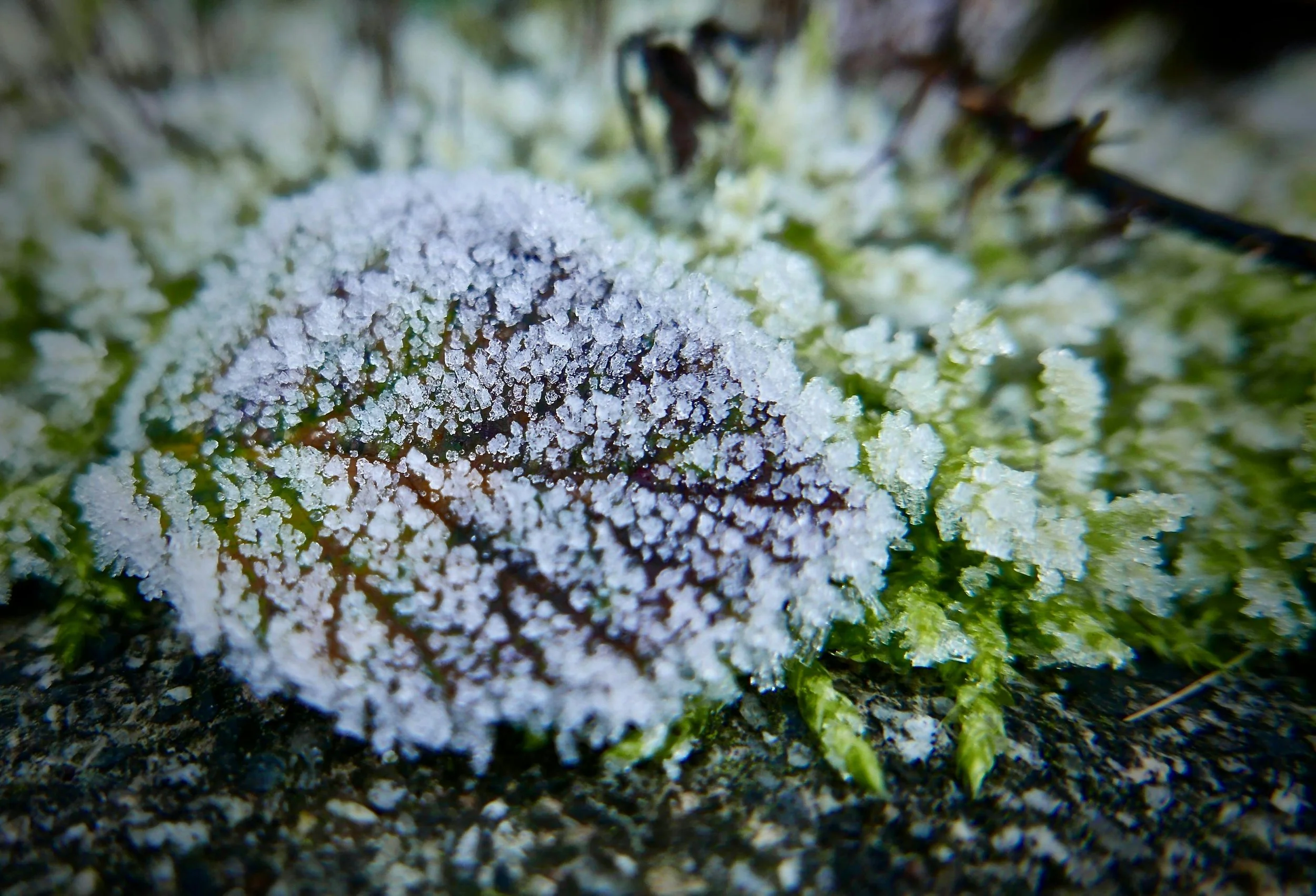
One of the hardest parts of starting seeds indoors in Wyoming is figuring out when to start. Our growing season is short, spring arrives late, and local weather can shift from warm to freezing overnight. That’s why relying on a generic planting calendar rarely works here.
Instead of guessing, I’ve learned to anchor everything to frost dates — specifically the area’s last spring frost and first frost in fall. These dates change depending on your zip code or postal code, elevation, and even small local microclimates like wind exposure or how much sun your garden area gets.
When I was first learning, one tool helped everything finally click: the Farmer’s Almanac planting calendar. By entering your zip code, it uses historical data to estimate your last frost date, first frost, and suggested indoor sowing and transplant windows. I don’t follow it blindly, but I use it as my starting point before adjusting based on my local weather and what fellow gardeners nearby are seeing that season.
Once you understand your frost dates, seed starting becomes much simpler because nearly every vegetable falls into one of two categories.
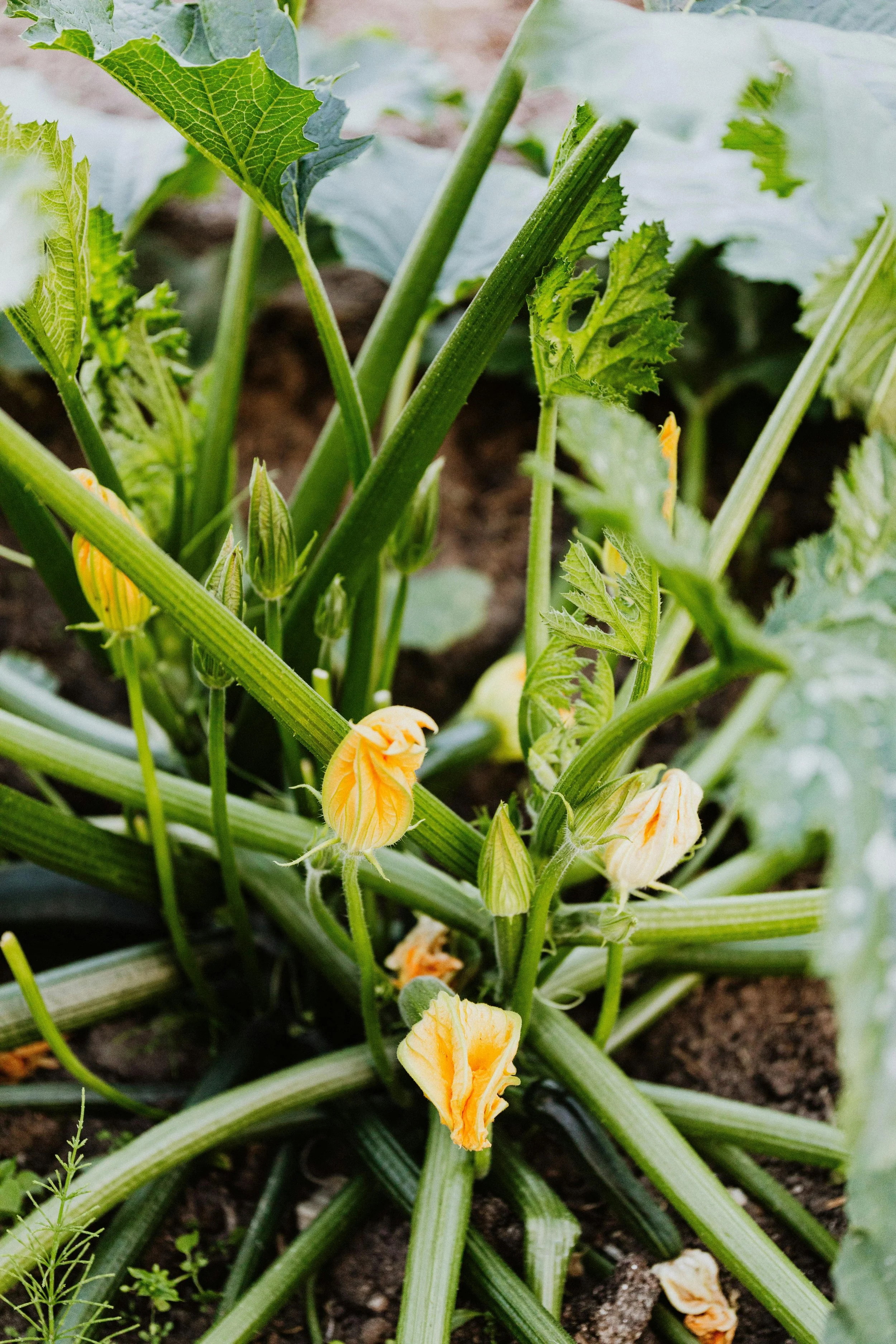
Cool-Season Plants vs. Warm-Season Plants
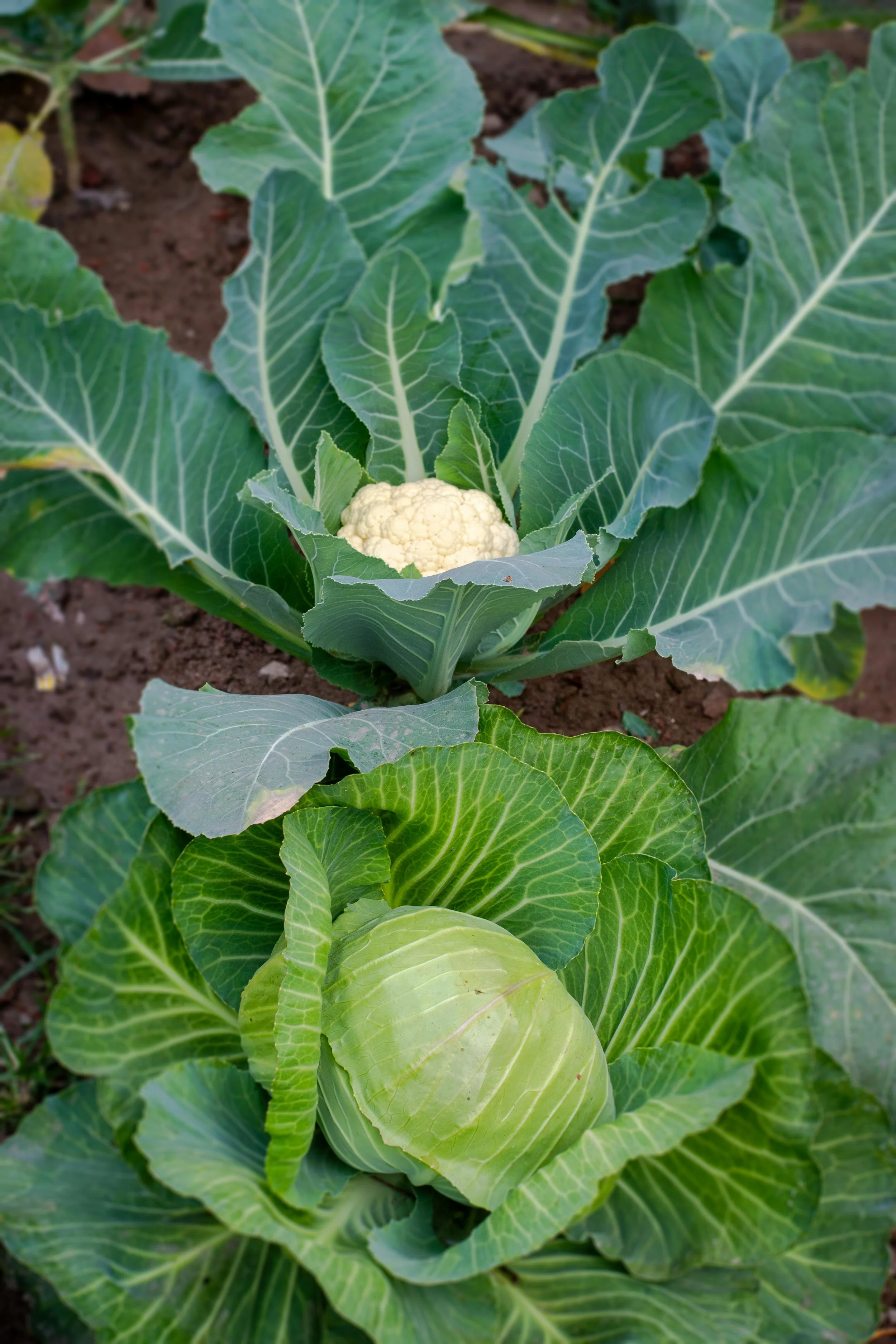
Cool-season crops prefer cool temperatures and can tolerate light frost. These plants are often the first ones you’ll start indoors and the first to move outside in early spring. They also make excellent candidates for a fall harvest later in the year. If a plant grows best in cooler weather, it usually needs to be started earlier and transplanted sooner.
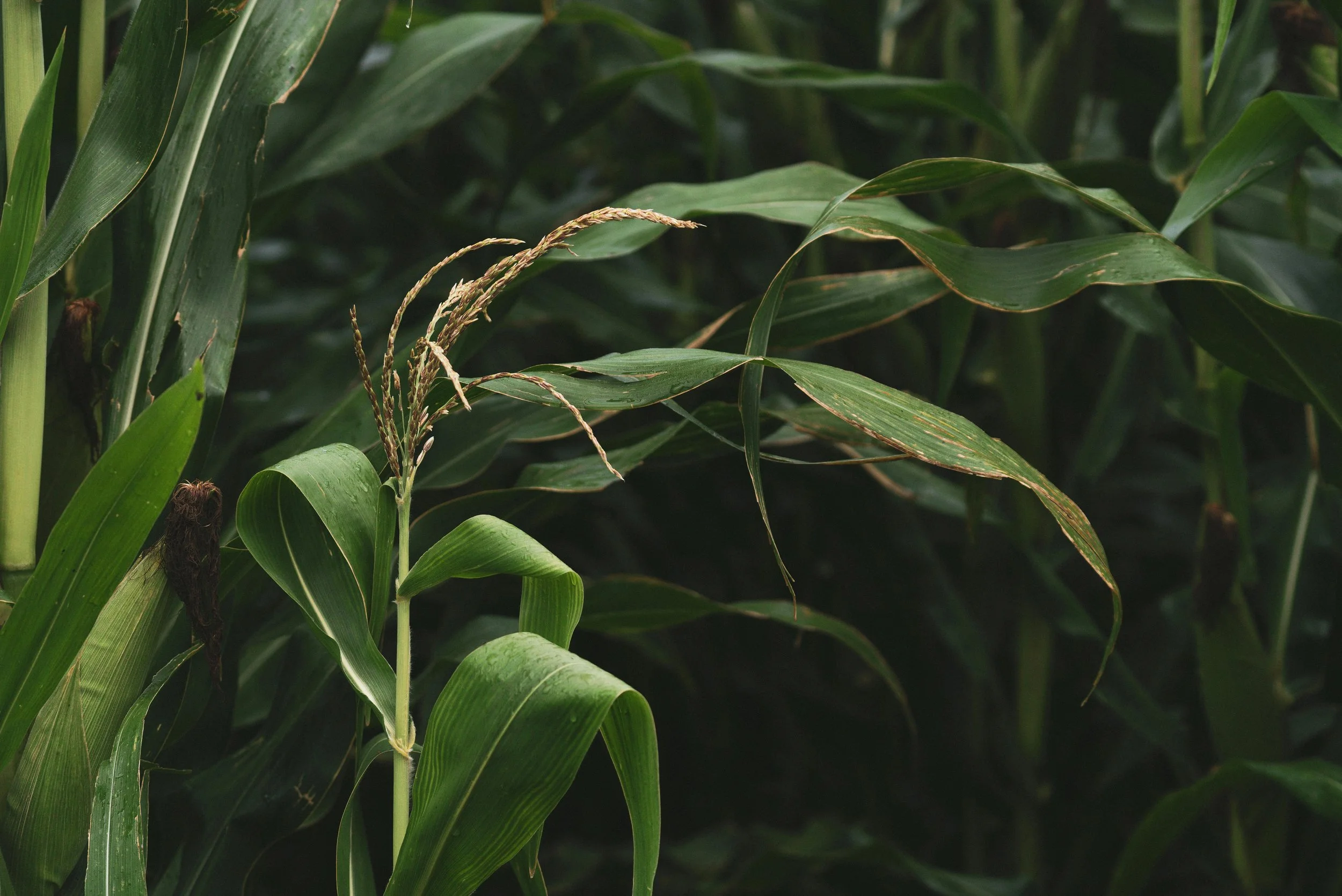
Warm-season crops, on the other hand, need warm soil and warm temperatures to grow properly. These plants should stay indoors longer and only be transplanted after your last frost date has passed. Starting them too early or moving them outside too soon can stunt plant growth or kill young plants altogether.
This cool-plant versus warm-plant mindset is one of the most helpful things to remember as a beginner. Instead of memorizing exact dates, you’re learning how plants behave, which makes your planting schedule far more flexible — especially in Wyoming’s unpredictable climate.
Once you know your frost dates and whether a plant prefers cool or warm conditions, you can confidently decide:
When to start seeds indoors
How long they should stay inside
When it’s safe to transplant outdoors
That single shift — using frost dates plus plant type instead of a fixed calendar — completely changed my success rate.
Why This Works So Well for Wyoming Gardeners
Wyoming gardeners don’t need rigid rules; we need adaptable systems. Tools like the Farmer’s Almanac give us a reliable baseline, while understanding cool-season and warm-season plants helps us adjust when local weather doesn’t cooperate.
Once I stopped chasing exact dates and started working with frost windows instead, seed starting became less stressful and far more successful.
If you want, next we can:
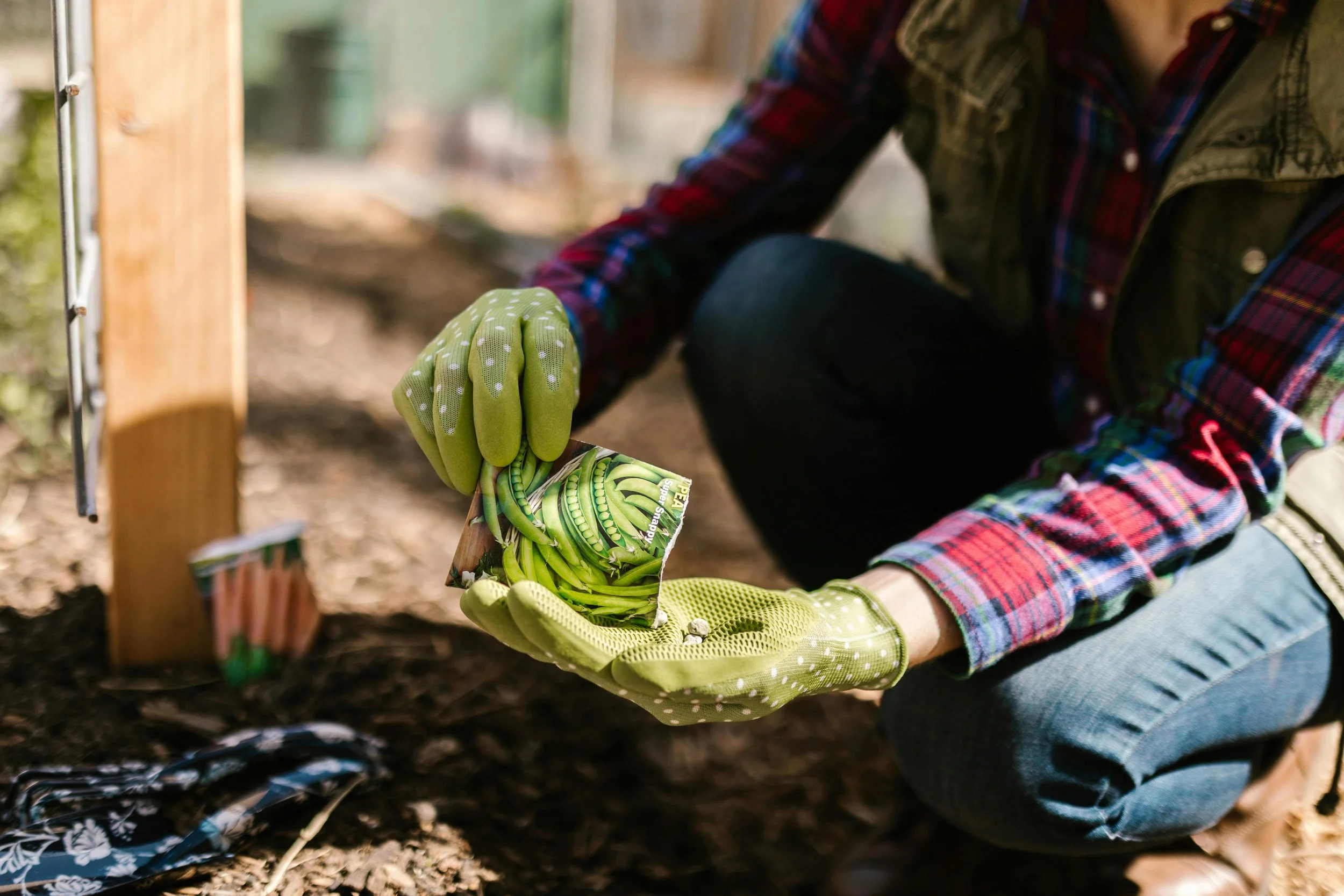
Reading Seed Packets & Seed Catalogs the Right Way
One mistake I see new gardeners make (and I absolutely made myself) is trusting seed packets without understanding what they actually mean.
The back of the seed packet lists a number of days to maturity, but that countdown usually starts after transplanting, not when you sow the seed. That’s important when your growing season is limited.
Seed catalogs and each plant’s growing guide will also note:
Whether a plant prefers indoor seed starting or direct-sowing seeds
Optimal soil temperatures
Spacing and mature fruit size
Pay attention to:
Lower germination rate warnings on older seed
Choosing fresh seed
Selecting similar varieties that mature faster
Quick-maturing crops often perform better in Wyoming because they’re more forgiving of late starts and early frosts.
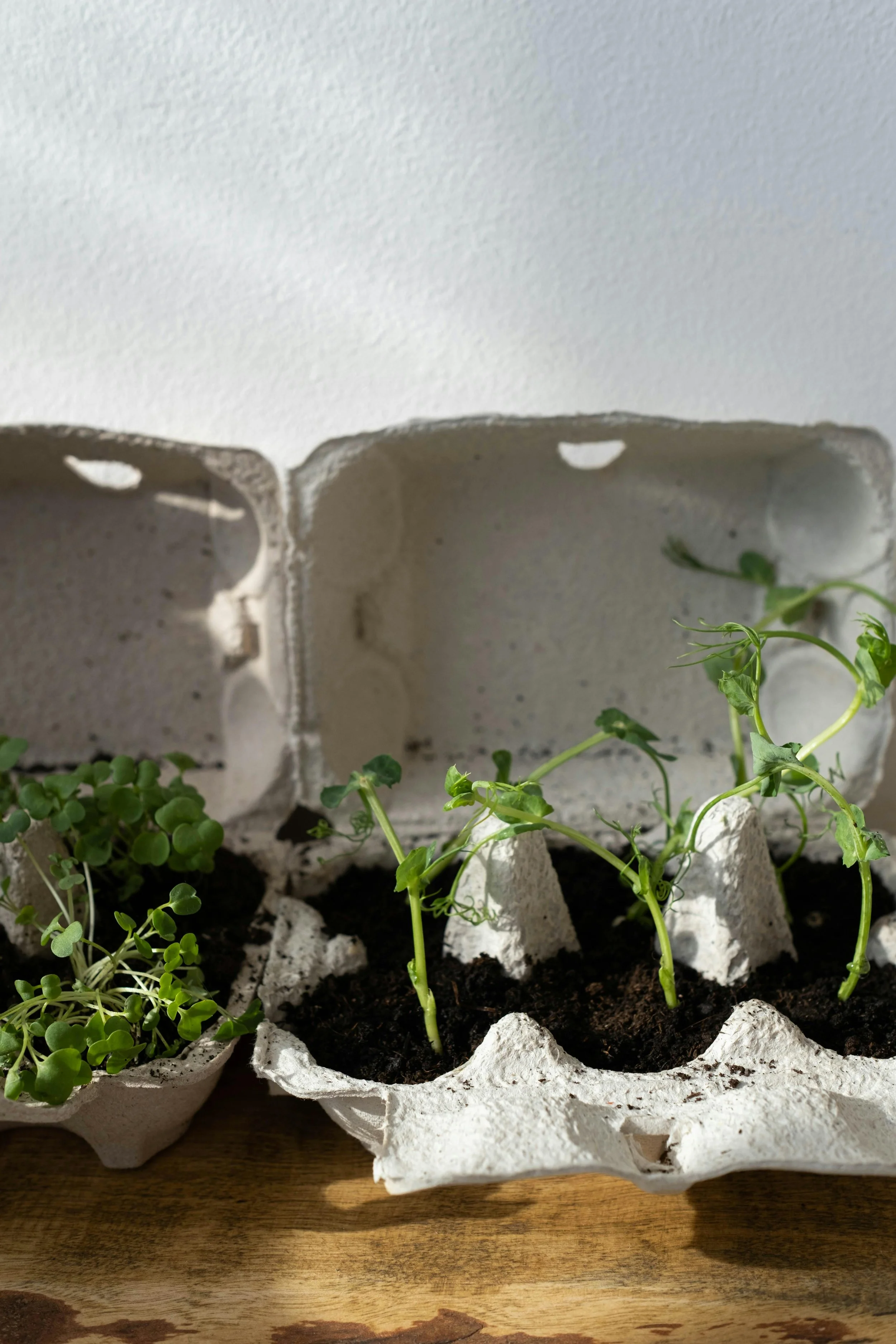
Choosing Containers: From Cell Packs to DIY Cups
There’s no single “best” container for starting seeds indoors—what matters is drainage and size.
I’ve tried nearly everything:
Starter pots
Cell packs
Peat pots
Plastic trays
Individual containers made from a plastic cup
Early on, I loved peat pots because they seemed eco-friendly. But in our dry climate, they often wick moisture away too fast or grow mold when overwatered. Peat moss can be useful in a potting mix, but peat pots themselves aren’t always beginner-friendly.
Now I usually recommend:
Cell packs for small seeds
Individual containers or a larger pot, once the plants grow
Plastic cups with drainage holes punched in the bottom
My favorite, milk or juice jugs, cut in half with drainage holes
Each individual plant should have room to grow roots without sitting in excess water. Larger containers are invaluable for warm-season crops that grow quickly indoors. Using milk or juice jugs cut in half make their own mini green house, remove the cap for air, once you set the top half ontop again, you have humidity, you will get sprouts in half the time once you provide humidity.
Soil & Drainage: The Foundation of Healthy Seedlings
One of my biggest early mistakes was using garden soil indoors. It compacts too easily, drains poorly, and can carry pests.
Instead, use:
A quality potting mix
Or soilless mixes designed for indoor seed starting
Good drainage matters more than fertilizer at this stage. Look for mixes with organic matter that retain moisture without becoming soggy.
Always check:
Drainage holes are open
The soil surface dries slightly between watering
Roots aren’t sitting in excess water
Warm soil encourages faster germination, while cold, soggy soil leads to rot.
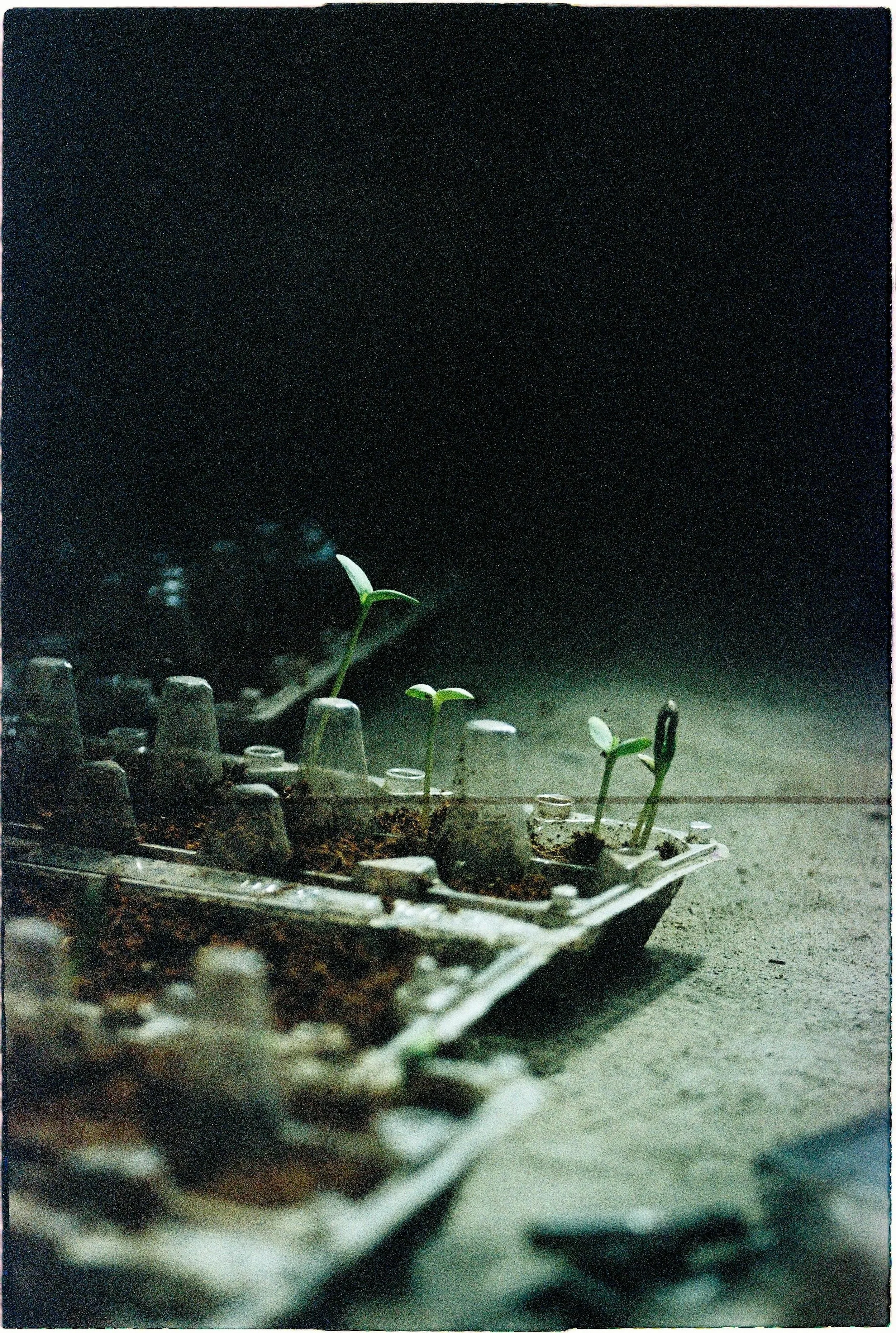
Light Matters More Than You Think (My Biggest Failure)
If I could go back and fix one thing from my first year, it would be lighting.
I relied on a first window with direct sunlight and assumed that was enough. It wasn’t. The plants stretched toward the light, fell over, and never developed strong stems.
Seedlings need consistent light, not just brightness.
Your best options:
Fluorescent lights or fluorescent bulbs
LED lights are designed as a grow light
Use:
Warm white bulbs or cool white bulb combinations
Keep the height of the lights just a few inches above the plants
Adjust lights as plants grow
Light is far more important than heat for early plant growth.
Watering & Temperature: Less Is More
Indoor seed starting doesn’t require a lot of water—but it does require the right temperature.
Use:
Room temperature or warm water
Avoid cold tap water straight from the sink
Cover trays with plastic wrap, a plastic cover, or plastic dome covers only until seeds sprout. Once seedlings emerge, remove covers to prevent disease.
Cool temperatures slow growth; warm temperatures speed it up. Finding balance is key.
Seed Size, Depth & Germination Basics
Seed size matters more than most beginners realize.
Small seeds should stay near the soil surface
Lightly press them into the soil, don’t bury them deep
Larger seeds need more coverage
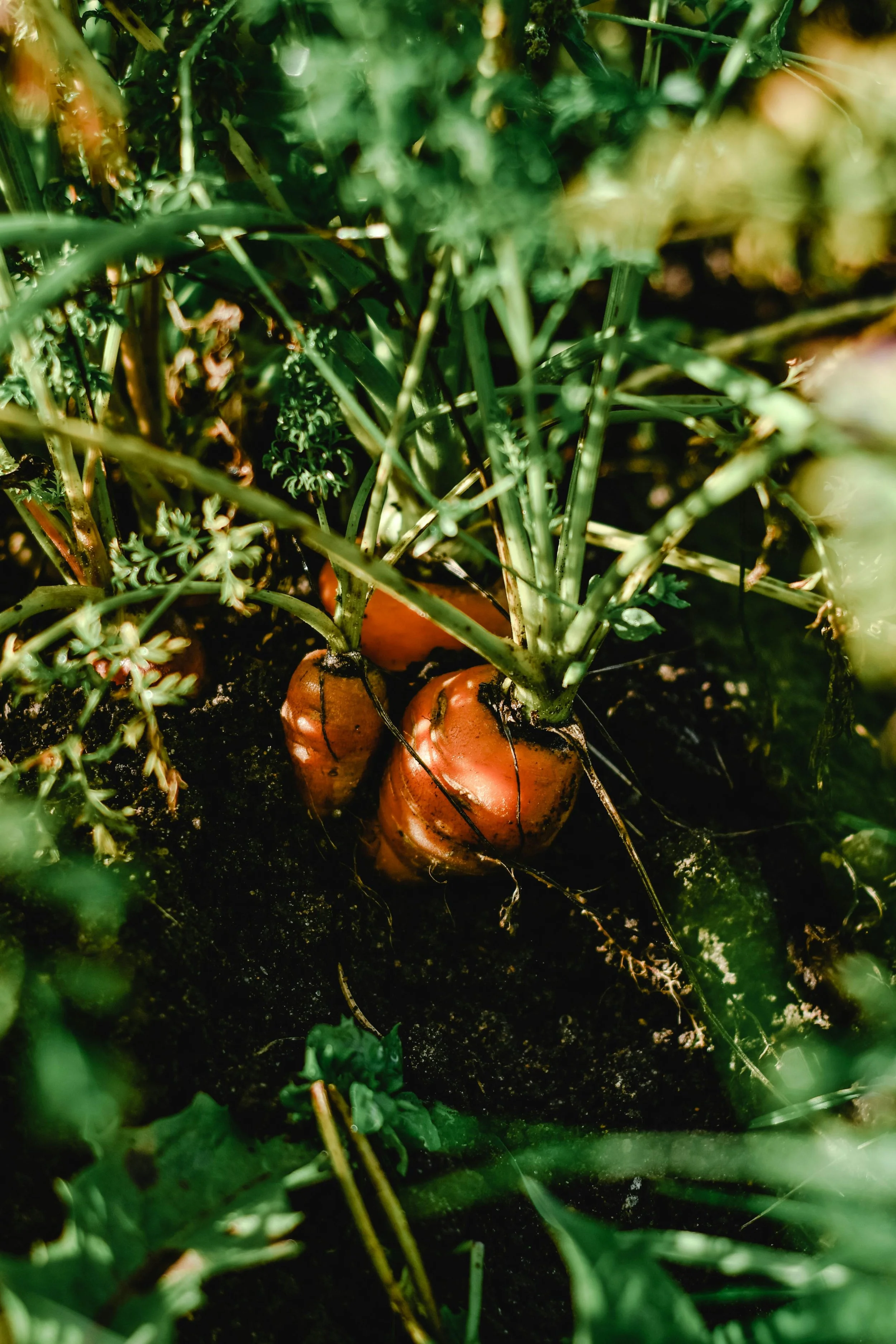
Follow your planting schedule carefully. Not all vegetable seeds benefit from indoor seed starting. Some prefer direct-sowing seeds, especially root crops.
Watching Growth: From Sprout to True Leaves
When seedlings first emerge, they produce seed leaves—not true leaves.
Wait until you see:
The first true leaves
Then the second set of leaves
That’s your signal that plant growth is progressing well. At this stage, young plants may need a larger pot to prevent root binding.
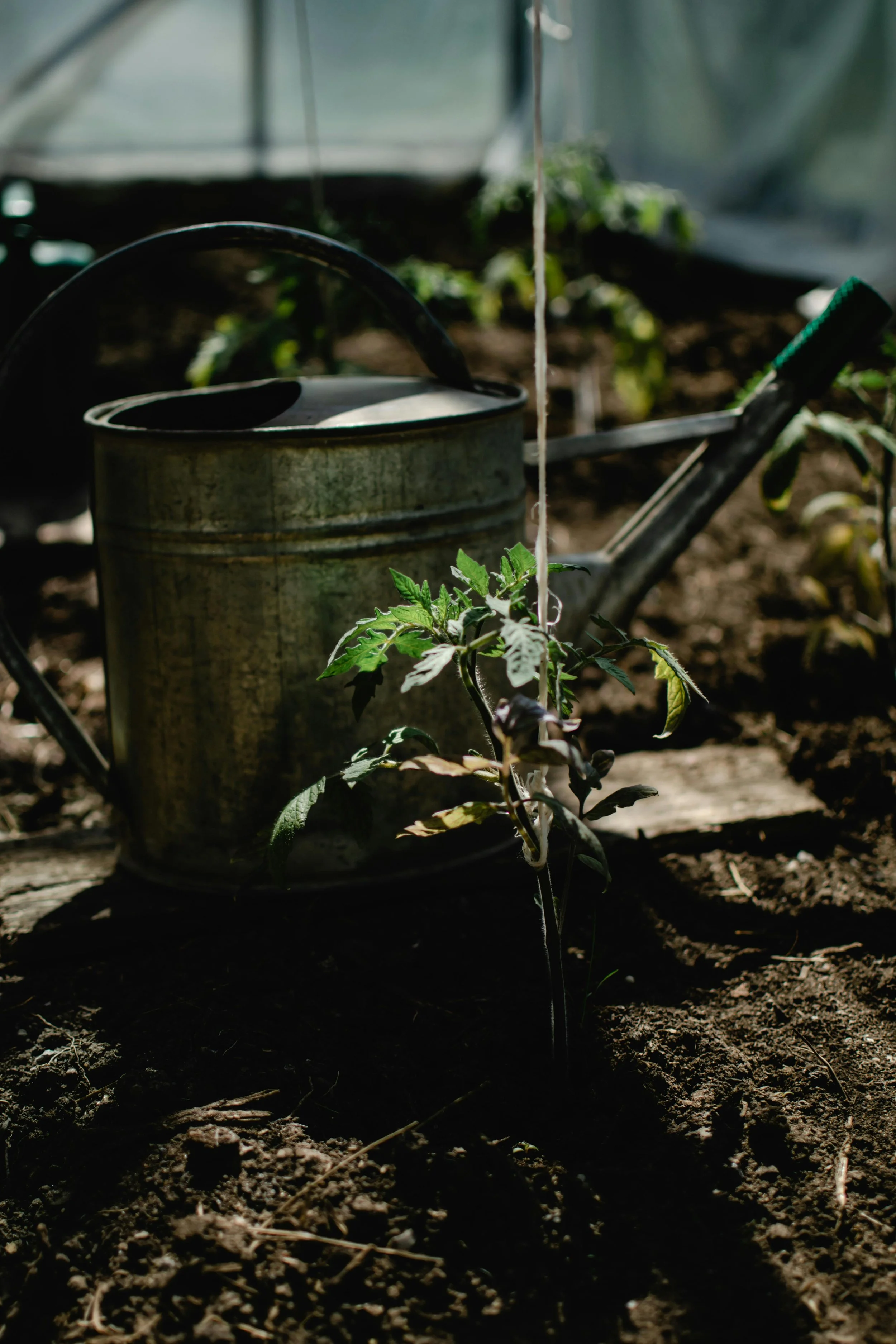
Crop-Specific Tips for Wyoming Vegetable Gardens
Some crops are much easier indoors than others.
Great indoor starters:
Tomatoes
Peppers
Cucumbers (watch cucumber vines carefully)
Morning glory (ornamental)
Better direct-sown:
Root crops
Beans
Peas
Focus on:
Quick-maturing crops
Cool-season crops for early spring
Warm-season crop varieties for transplant after frost
Companion planting can help maximize space, especially if you’re growing indoors for a fall harvest later.
Planning for Fall Harvest & Second Summer Success
One thing I didn’t understand early on is that Wyoming doesn’t really give us one growing season — we get two short windows if we plan correctly. That second window, or “second summer,” is where a fall harvest becomes possible, especially for cool-season crops.
The trick is knowing when to start those crops indoors, how long they should stay inside, and when to move them out without risking heat stress or early frost damage.
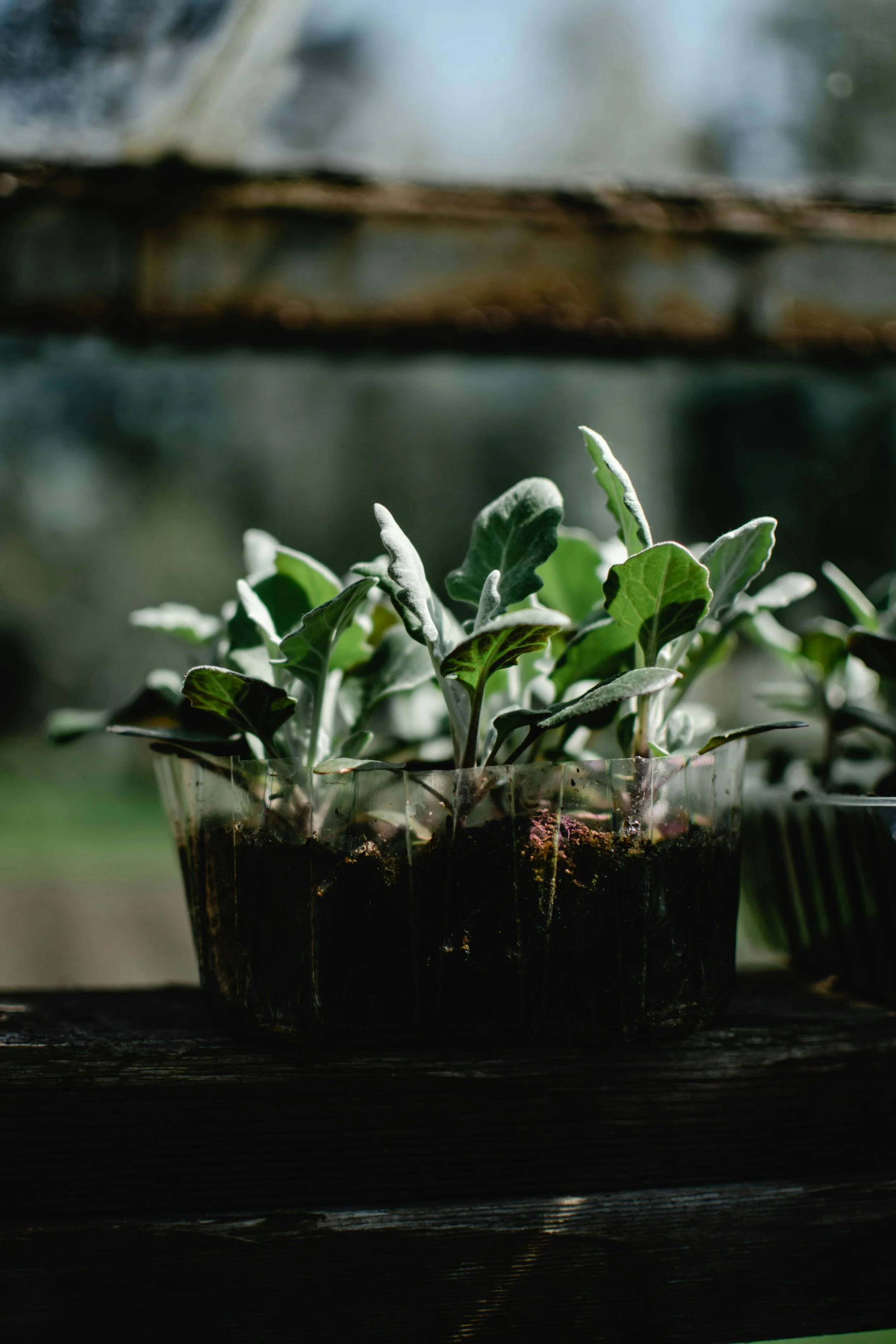
When to Start Fall Crops Indoors in Wyoming
For most Wyoming gardens, fall crops should be started indoors in mid to late summer, usually 6–10 weeks before your first frost date. This is where knowing your local frost dates and historical data really pays off.
I usually work backward from:
My first frost
My last planting dates
The number of days listed on the back of the seed packet
If a crop takes 45–60 days to mature and prefers cool temperatures, it’s a good candidate for indoor seed starting in late summer.
Good fall crops to start indoors include:
Lettuce
Spinach
Kale
Swiss chard
Broccoli
Cauliflower
Other cool-season crops
These vegetable seeds don’t tolerate intense summer heat during germination, making indoor seed starting a great option.
How Long Fall Crops Should Stay Indoors
Most fall crops only need 3–5 weeks indoors. You’re not growing them to full size — you’re giving them a strong head start while outdoor conditions are still harsh.
Here’s what I aim for:
Start seeds in individual containers or cell packs
Keep them under a grow light or fluorescent lights
Maintain room temperature with good air flow
Transplant once plants have their first true leaves, and often a second set of leaves
Letting them stay indoors too long can lead to:
Root-bound plants
Slower plant growth after transplant
Stress once moved outside
You want young plants — not oversized ones.
When to Transplant for a Fall Harvest
Transplanting fall crops is all about avoiding heat stress.
In Wyoming, I’ve had the best luck:
Transplanting in late afternoon or early evening
Choosing a cooler, overcast day when possible
Making sure soil temperatures are cooler, not baking hot
For many gardens, transplanting happens in:
Late summer
Very early fall, depending on your garden area and local microclimates
Cool-season crops grow better as temperatures drop, making them ideal for fall planting dates.
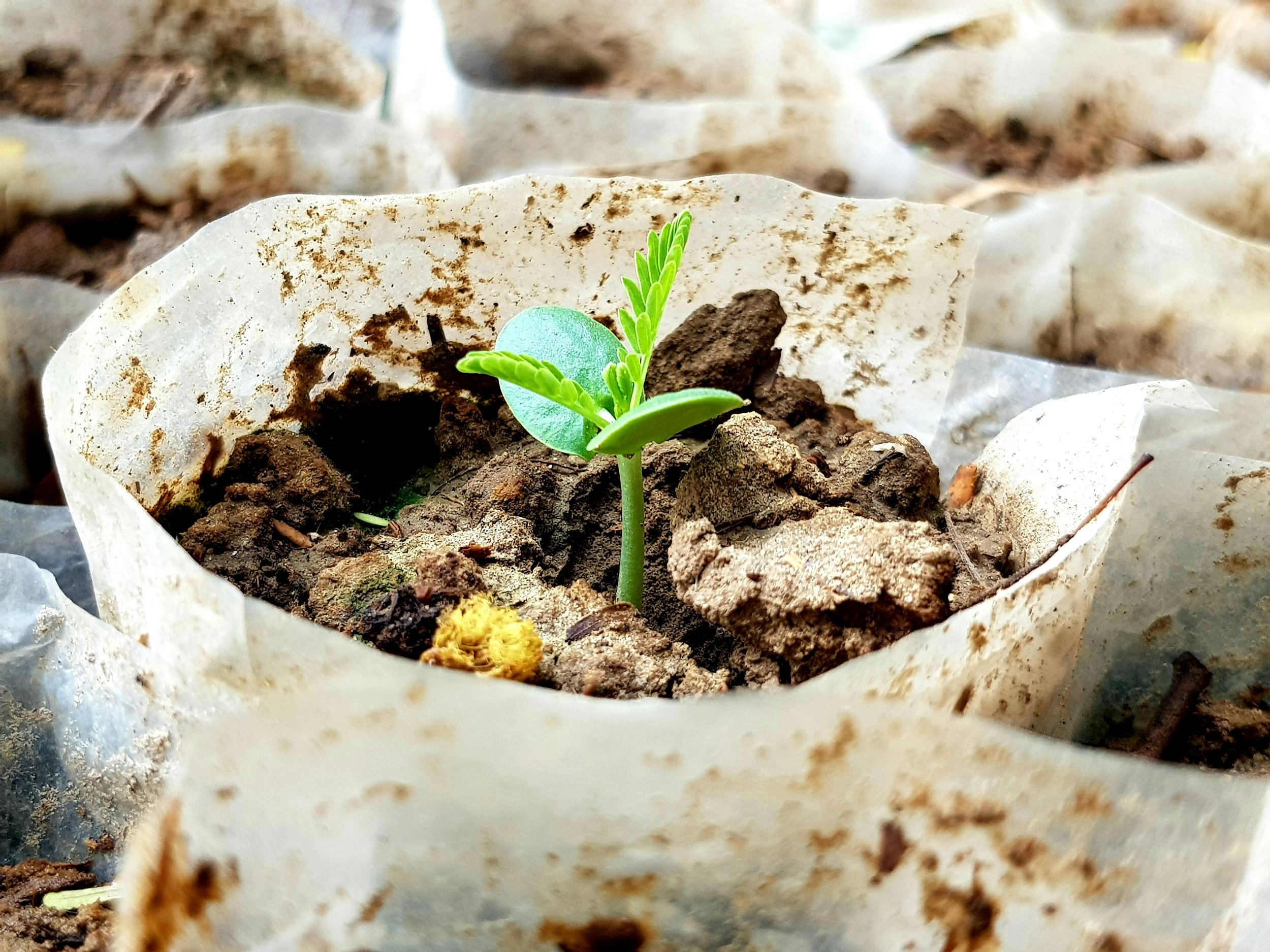
Why Indoor Starting Helps Fall Crops Succeed
Starting fall crops indoors gives you:
Better germination rates during hot weather
More control over moisture and light
A stronger root system before transplant
Outdoor direct-sowing seeds in late summer often struggle due to:
Dry soil
Hot temperatures
Inconsistent watering
By starting indoors, you’re essentially giving fall crops the same advantage you give spring crops — a good start before facing Wyoming’s unpredictable local weather.
Thinking Ahead to the Coming Year
Once I started planning for the fall harvest, my entire planting schedule changed. Instead of viewing late summer as the end of the garden, it became a reset point.
Each year now, I:
Note what worked and what didn’t
Adjust the timing of crop planting
Refine my planting calendar for the coming year
That second summer window doesn’t just give you more food — it gives you more confidence as a gardener.
Final Thoughts: Keep Learning, Keep Growing (Even After Failure)
If there’s one thing I want you to take away from starting seeds indoors in Wyoming, it’s this: you’re not behind, and you’re not doing it wrong just because it feels hard.
Gardening here asks more of us than it does in warmer regions. Our growing season is short, our weather changes quickly, and what works for someone else online doesn’t always work with our local weather or local microclimates. That’s why seed starting indoors isn’t about perfection — it’s about giving yourself and your plants a realistic starting point.
I’ve lost trays of seedlings. I’ve overwatered. I’ve started too early and too late. I’ve trusted the calendar instead of frost dates and paid for it. And every one of those mistakes made the next season easier.
If you’re feeling overwhelmed, start small. One tray. A few vegetable seeds. One grow light setup. You don’t need to do everything at once to build a successful garden area.
As you keep learning, these posts on DoItAllThingsDaily.com can help you build confidence step by step:
If you’re brand new to Wyoming gardening, my post on spring garden tips for beginners in Cheyenne, Wyoming, walks through what to expect once seedlings move outside and how to avoid early spring mistakes.
If water, wind, and heat stress worry you (they should), you’ll want to read Best Drought-Resistant Plants for Wyoming Gardens, which helps you choose plants that actually survive our climate.
For long-term success, Native Perennials for Low-Maintenance Wyoming Gardens explains how mixing perennials into your vegetable gardens reduces work over time.
And if soil health feels confusing, my guide on making compost in a harsh, windy climate shows how to build better soil using organic materials without expensive systems.
Gardening isn’t something you master in one season — especially not here. It’s something you grow into, season by season, tray by tray, and plant by plant.
Starting seeds indoors is a good idea, not because it guarantees success, but because it gives you more chances to learn, adjust, and try again. And in Wyoming, that willingness to adapt is just as important as sunlight and soil.
If this is your first year starting seeds indoors, I promise: it gets easier, and you’re doing better than you think.