You planted basil in spring, watered it faithfully, and admired every leaf. Then one morning you walked out to your herb garden and found flower buds everywhere. Naturally, the basil picked the one week you were too busy to look.
Did you miss your chance? Rinse a leaf and taste it. If you’d still put it on dinner, go ahead and pick some. Growing your own herbs gives you fresh herbs whenever you need them, and learning where to snip means one harvest can turn into several.
When to Harvest Herbs for the Best Flavor
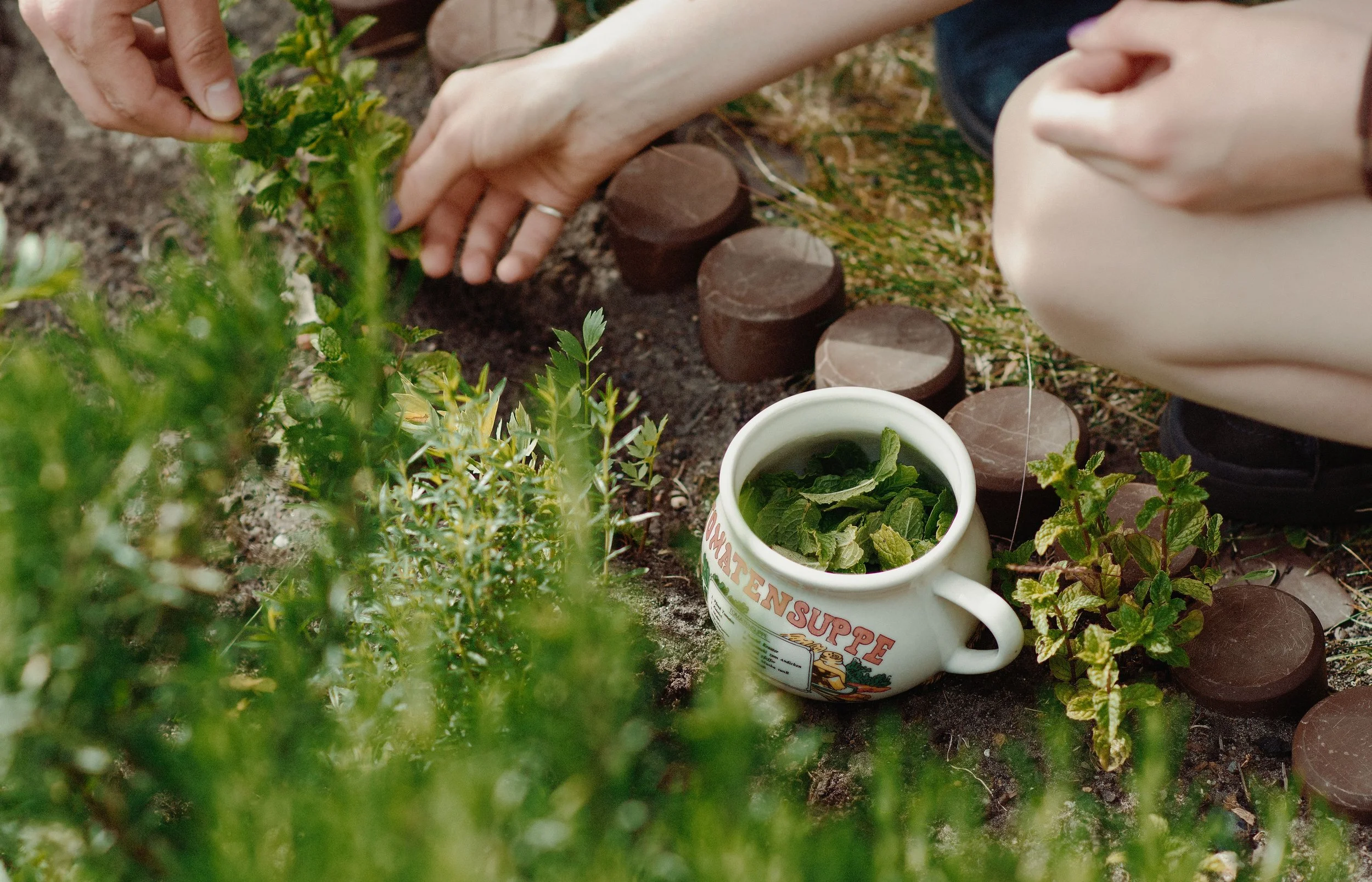
For most leafy culinary herbs, start picking once the plant has enough healthy foliage to spare a few stems. If two snips would leave you with a stick, let the plant fill out. Once it’s established, clip small amounts for dinner throughout the growing season. Your favorite herbs are there to be eaten. Try a few apple mint leaves in fruit salads or snip a sprig for herbal tea.
If you’re cutting large quantities of leafy herbs, aim for just before they flower. The best time to harvest herbs for drying is in the morning, after the dew has evaporated and before the heat of the day. Wait for dry leaves if it rained overnight. If all you need is a little parsley for dinner, go get it when the soup’s ready. You can pick fresh herbs for immediate use without scheduling dinner around the dew. Yard and Garden
Where to Cut Basil, Parsley, Rosemary, and More
Start with clean, sharp scissors and a bowl. Look at the type of herb and where it puts out new growth.
Basil, mint, and lemon balm. Clip a stem just above a healthy pair of leaves. That junction is called a node. It’s one of the growth points where new shoots can branch. Take a few stem tips to avoid stripping leaves from the whole plant. If you use basil for pesto, this gets you a decent handful and leaves the plant room to fill out again. University of Maryland Extension
Parsley and cilantro. Choose whole stems from the outside. Cut near the base of the stems and leave the younger growth in the center. On parsley, this also saves you from coming back to a pot full of bare stalks after picking off the tops. ucanr.edu
Rosemary, thyme, sage, and oregano. Look for leafy tips and snip where there’s still green growth below the cut. Rosemary can have a woody base and still be healthy. The green tips are what you want for roasted potatoes, so leave the bare brown stems alone. Yard and Garden
Chives. Gather a few leaves into small bunches and cut an inch or two above the soil. Leave some leaves standing for your next baked potato night. University of Maryland Extension
When you harvest herbs from a young plant, start with small amounts. On established perennial herbs, taking up to about a third of the current growth is a good starting limit. Spread a big harvest across several plants if you can. Annual herbs like basil can handle a final cut before frost. If you can’t move potted basil inside before frost, harvest the entire plant. Yard and Garden
What to Do When Your Herb Plant Flowers
How you handle flowering depends on the type of herb. If your basil is starting to bloom, snip the budding tip above a pair of leaves. Keep picking the leafy shoots as they grow. If flowers have already opened, taste a rinsed leaf before you bring a bowlful inside. You might still have plenty worth chopping into tomatoes with a drizzle of olive oil. ucanr.edu
Cilantro is a little different. A tall center-growing stem and fine, feathery leaves tell you it’s bolting, which means it’s preparing to flower and set seed. Pick the leaves you still like, then let a plant finish flowering if you want coriander. When the seed heads turn brown, snip them into a paper bag to catch the seeds. Sowing small batches every few weeks in cool weather is a great way to keep cilantro on hand. University of Maryland Extension
You can also leave a few herb flowers for pollinators in the vegetable garden. If the bees are busy on your oregano, clip from the leafy side and leave them their lunch. Do It All Things Daily
Bring the Harvest Inside
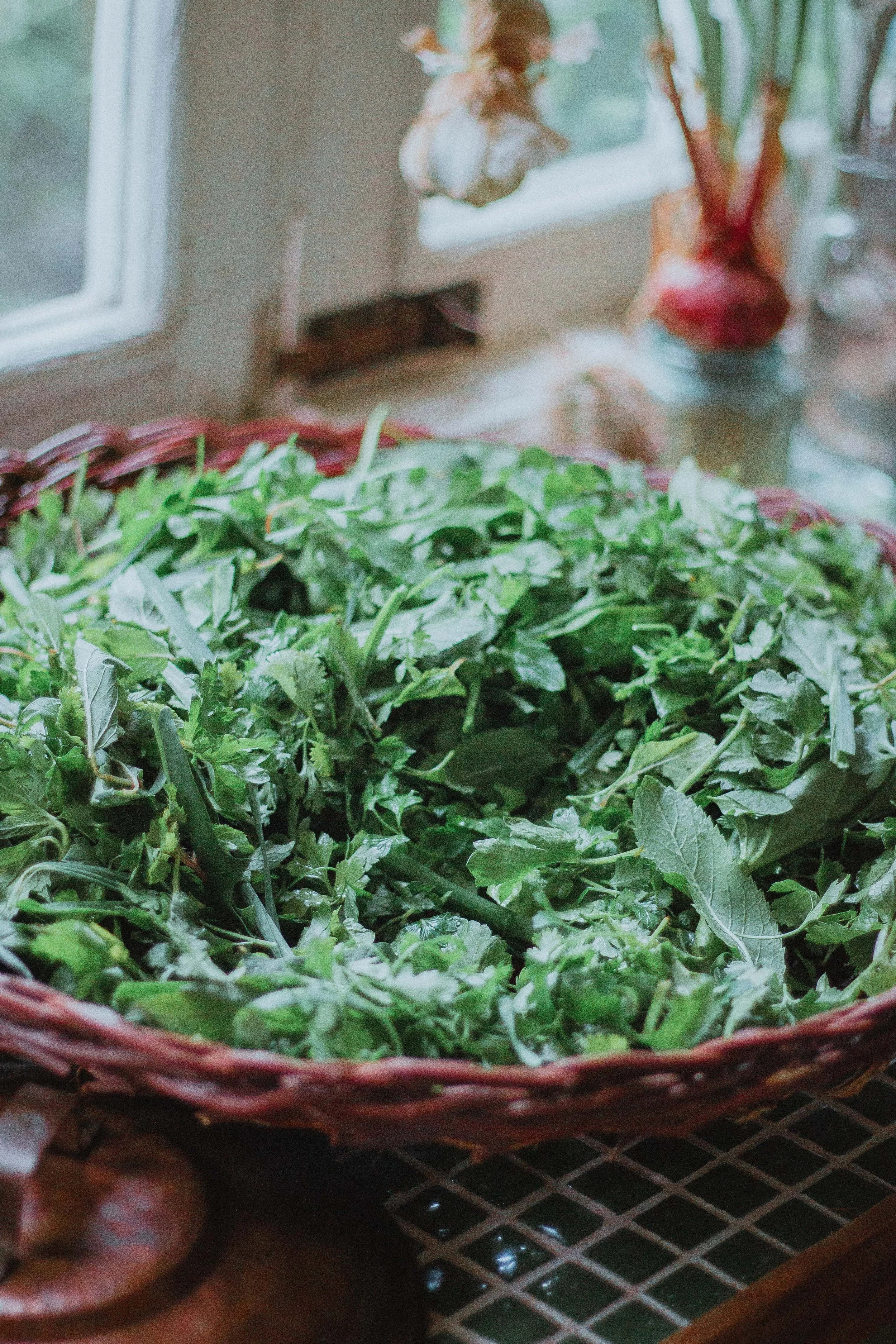
Keep cut stems out of direct sunlight while you finish in the herb garden. This helps protect the herbs’ flavor. If you’re bringing in several of your favorite herbs, sort them into small bundles with a loose rubber band around each one. Label them before you head inside. Those green piles look suspiciously alike on the counter. National Center for Home Food Preservation
Rinse the fresh herbs under cool water, shake off excess water, then place herbs in a single layer on a clean paper towel. Set aside small amounts for tonight’s meal or a batch of compound butter. If you’re freezing herbs for future use, let them dry to the touch in an airy place. Yard and Garden
Two Easy Ways to Preserve Herbs
Air drying and freezing herbs are two of the easiest ways to save your favorite herbs for future use. The best way to choose depends on your cooking style.
Air drying. To dry herbs like thyme or oregano, tie small bundles with a rubber band. Hang them in a dark place with good air circulation. A dry place matters more than a pretty kitchen hook. If air drying is slow, a dehydrator speeds up the drying process. For proper storage, seal the dried herbs in an airtight container once the leaves crumble. Glass jars work well. Keep them in a dark place, like a cupboard, ready for sauces or herbal tea blends. National Center for Home Food Preservation
Freezing herbs. Freeze herb sprigs in a single layer on a cookie sheet, then transfer them to labeled freezer bags. For tender herbs like basil, chop the leaves and freeze them right away in ice cube trays with water or olive oil. Keep herb oil cubes frozen in an airtight container or labeled freezer bags. Drop an herb cube straight into a simmering soup or sauce. Ohiolineextension.osu.edu
Want to know more about preserving fresh herbs? Check out my guide on how to dry and store herbs for cooking for step-by-step drying methods and tips to keep your dried herbs flavorful.
Next time you walk past your herb garden on the way to make dinner, bring the scissors. A few good snips are one of the easiest ways to make growing your own herbs feel worth it, especially when the grocery store wants four dollars for six sprigs of thyme.
Check Out These Blogs
Got a handful of herbs on the counter? Put a few to work at dinner, then see what’s worth planting for your next harvest.
How to Start a Kitchen Herb Garden for Beginners — Start with a few herbs you actually cook with and figure out where they’ll grow best, whether you’ve got a sunny patio or room for a raised bed. Do It All Things Daily
Easy Homemade Butter Recipe Made in Minutes — Stir chopped chives or parsley into homemade butter for baked potatoes, roasted veggies, or a thick slice of warm sourdough. Do It All Things Daily
How to Make Cozy Fall Broth & Soup (3 Easy Recipes) — If you came inside with more thyme, parsley, or sage than dinner called for, toss a few sprigs into a pot of homemade broth and let it simmer.